Understanding the Importance of Education
Defining Education and Its Purpose
Education is a multifaceted process that encompasses the transmission of knowledge, the enhancement of skills, and the molding of character traits. Traditionally, education refers to systematic instruction, schooling, and training that prepares individuals for their roles in society. Beyond academic achievement, its purpose extends to fostering critical thinking, developing social skills, and promoting lifelong learning. As our world becomes increasingly complex, the Education system must evolve to meet varying needs and empower individuals in their personal and professional journeys.
The Role of Education in Personal Development
Education plays a pivotal role in personal development by equipping individuals with the necessary tools to navigate life. It encourages inquiry, cultivates problem-solving skills, and develops emotional intelligence. Through formal and informal education, individuals learn not only academic content but also life skills such as communication, empathy, and resilience. This holistic development is essential for adapting to the rapid changes in today’s world, where job markets and technology are continuously evolving.
Challenges in Modern Education Systems
Despite its significance, modern education systems face several challenges. These include resource disparities, outdated curricula, and a one-size-fits-all approach that fails to cater to diverse learning styles. Additionally, issues like socio-economic inequality and inadequate funding create barriers to accessing quality education. Addressing these challenges is crucial for fostering an equitable system that promotes success for all learners, regardless of their background.
Innovative Approaches to Education
Integrating Technology in Education
The integration of technology into education signifies a transformative shift in how knowledge is delivered and consumed. Digital tools and resources enhance learning experiences by providing interactive and engaging content. From virtual classrooms to online assessments, technology facilitates personalized and accessible learning opportunities. Leveraging educational platforms allows educators to cater to individual learning needs and preferences, promoting greater student engagement and success.
Personalized Learning Experiences
Personalized learning is a strategic approach that tailors education to meet the unique needs of each student. By utilizing assessments to understand learners’ strengths and weaknesses, educators can customize lessons and materials accordingly. This method not only maximizes engagement but also fosters a sense of autonomy and responsibility among students. As a result, personalized learning enhances academic performance and promotes a deeper understanding of the material.
Collaborative Learning Techniques
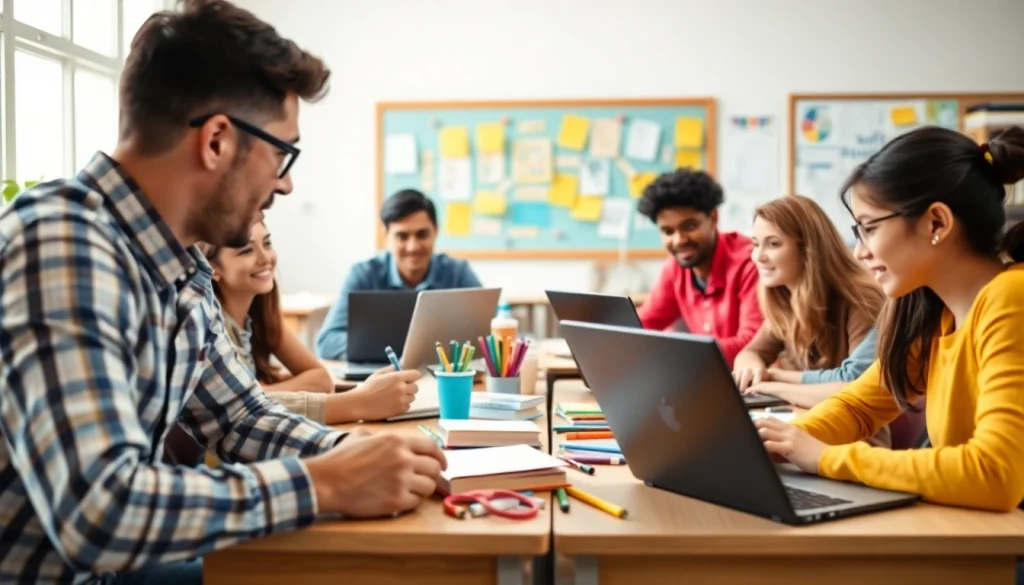
Collaboration is an essential component of effective learning. Implementing collaborative techniques encourages teamwork, communication, and critical thinking. Group projects, peer reviews, and discussion-based classes allow students to share diverse perspectives and develop interpersonal skills. By fostering a collaborative environment, educators nurture a sense of community and belonging, which is vital for student motivation and retention.
Impact of Education on Society
Education as a Tool for Social Change
Education has the power to transform societies by challenging the status quo and promoting social equity. Through education, individuals gain the knowledge and skills necessary to advocate for themselves and their communities. It fosters critical consciousness, encouraging learners to question social injustices and actively participate in social change. By empowering the marginalized and promoting inclusivity, education serves as a catalyst for societal progress.
Addressing Inequalities Through Education
Inequalities in education often perpetuate socio-economic disparities. Ensuring equal access to quality education is vital for breaking the cycle of poverty and expanding social mobility. Programs aimed at supporting underrepresented groups and bridging educational gaps can significantly impact individual lives and communities. By prioritizing equity in education, societies can create a more just and inclusive environment, where everyone has the opportunity to succeed.
Global Perspectives on Education
Education systems vary across the globe, influenced by cultural, economic, and political contexts. Understanding these perspectives can provide valuable insights into effective practices. Countries that prioritize investment in education, innovative teaching methods, and community engagement often demonstrate strong educational outcomes. By analyzing different approaches, policymakers and educators can learn from one another, paving the way for global improvement in educational practices.
Measuring Success in Education
Key Performance Indicators in Education
Measuring success in education requires the establishment of key performance indicators (KPIs) that provide insights into student learning and institutional effectiveness. These indicators can include graduation rates, standardized test scores, and student engagement metrics. By analyzing these data points, educators and administrators can assess the effectiveness of programs and make informed decisions to enhance educational outcomes.
Feedback Mechanisms for Continuous Improvement
Implementing ongoing feedback mechanisms is essential for fostering a culture of continuous improvement in education. Surveys, assessments, and focus groups enable stakeholders to share their insights and experiences, informing program adjustments and innovations. Regular feedback loops allow educators to identify areas for growth and adapt teaching methods to meet the evolving needs of students.
Long-term Outcomes of Effective Education
The long-term outcomes of a high-quality education extend far beyond academic achievement. Effective education cultivates critical thinking, empathy, and civic responsibility, preparing individuals to contribute positively to society. Furthermore, research indicates that higher levels of education correlate with improved economic outcomes, enhanced health, and increased social participation. Therefore, investing in quality education not only benefits individuals but enriches communities as well.
Future Trends in Education
Shifting Paradigms in Educational Models
The landscape of education is continuously evolving, driven by technological advancements and shifting societal needs. New educational models are emerging, prioritizing experiential and inquiry-based learning processes over traditional rote memorization. These models emphasize skills such as critical thinking, creativity, and adaptability, preparing students for the demands of the 21st century.
The Role of Lifelong Learning in Modern Education
Lifelong learning has become a fundamental aspect of modern education, recognizing that learning is a continuous process that extends beyond formal schooling. As industries evolve, professionals must engage in ongoing education and skills development to remain competitive. Institutions that promote lifelong learning opportunities foster a culture of growth and adaptability among their students and alumni.
Adapting Education for a Changing World
To remain relevant, education must adapt to the rapidly changing world. This involves integrating real-world experiences, interdisciplinary approaches, and a focus on global citizenship into curricula. Educators should strive to prepare students for the complexities of modern life, encouraging them to become innovative thinkers and adaptable problem solvers. By embracing change and fostering a growth mindset, the education system can empower individuals to thrive in an uncertain future.