
Streamlining Logistics: Strategies for Efficient Supply Chain Management
Understanding Logistics and Its Significance
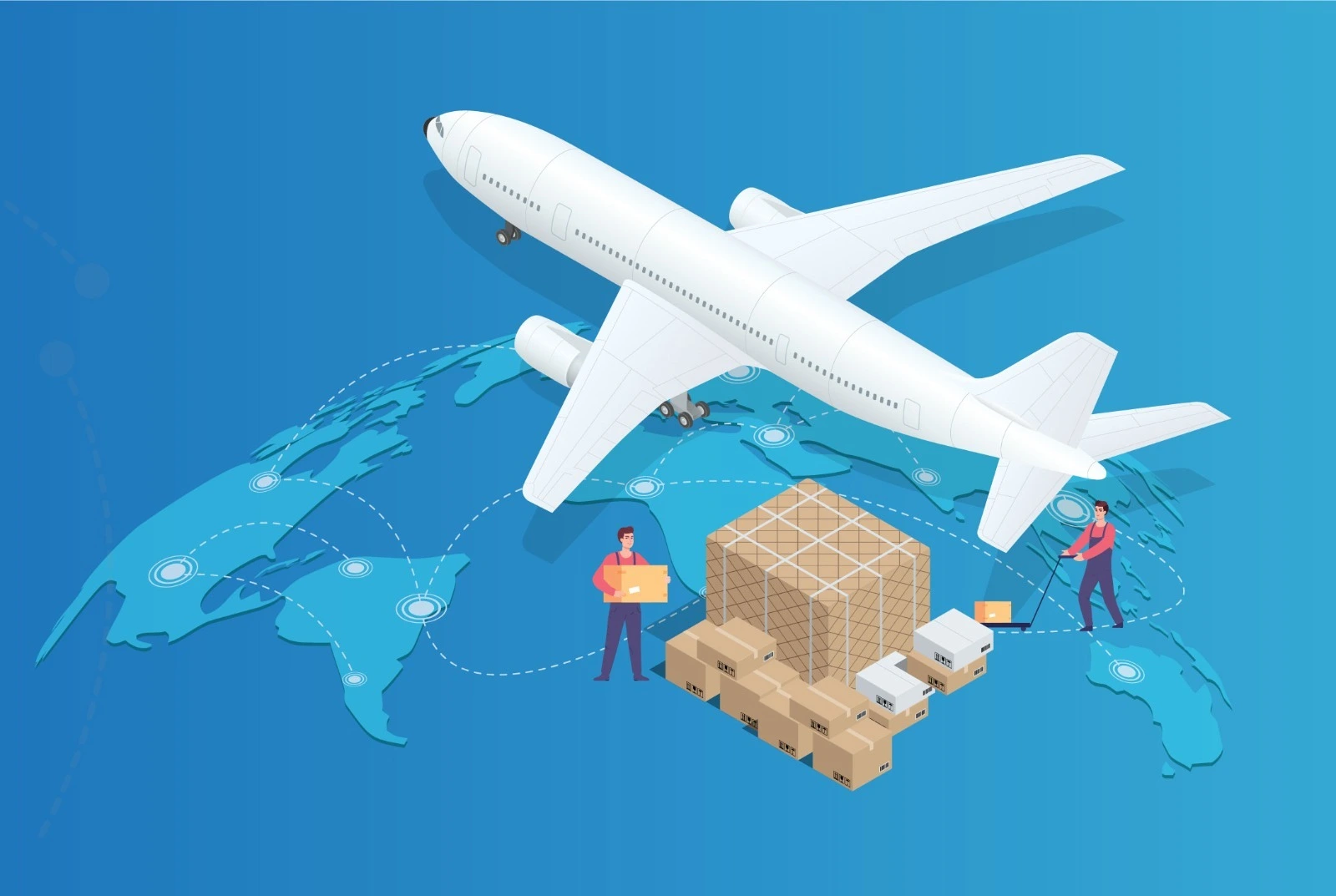
In today’s interconnected world, logistics plays a crucial role in the efficiency and effectiveness of businesses across various sectors. Logistics encompasses the planning, implementation, and management of the flow of goods, services, and information from the point of origin to the final consumer. This process not only impacts the supply chain but also influences customer satisfaction and overall profitability. For businesses looking to enhance their operations, understanding the multifaceted nature of logistics is essential.
What is Logistics?
Logistics can be defined as the science and art of managing the movement and storage of goods. It involves various activities, including transportation, warehousing, inventory management, order fulfillment, and demand planning. The primary objective of logistics is to ensure that the right products arrive at the right place, at the right time, in the right quantity, and in the desired condition. This intricate process comprises several components, each playing a critical role in ensuring the smooth operation of supply chains.
The Role of Logistics in Supply Chain Management
Logistics is a vital subset of supply chain management (SCM) that focuses specifically on the movement and storage of materials. While SCM encompasses the entirety of the supply chain, which includes procurement, production, and distribution, logistics zeros in on the logistics-related activities necessary to facilitate supply chain processes. A well-optimized logistics function can provide significant competitive advantages by reducing costs, enhancing service levels, and increasing overall efficiency.
Types of Logistics: Forward vs. Reverse Flow
Logistics can primarily be divided into two categories: forward logistics and reverse logistics. Forward logistics refers to the traditional flow of goods from the manufacturer to the end consumer, focusing on transportation, warehousing, and distribution. On the other hand, reverse logistics deals with the process of returning goods from the consumer back to the manufacturer or retailer. This can include product returns, recycling, and waste management. Understanding both types is crucial for businesses to effectively manage their supply chain and respond to customer demands.
Key Components of Effective Logistics Management
Transportation Management in Logistics
Transportation management involves planning, executing, and optimizing the movement of goods. It encompasses choices regarding shipping modes (e.g., air, sea, rail, or road), route optimization, carrier selection, and freight management. Effective transportation management helps organizations minimize transportation costs while ensuring timely deliveries. Today, many logistics companies employ advanced software systems to enhance their transportation strategies by leveraging data analytics and real-time tracking.
Warehouse Operations: Best Practices
Warehousing is another cornerstone of logistics management that involves the storage of goods until they are needed in production or for shipping. Best practices in warehouse operations include optimizing warehouse layouts, employing automation technologies, implementing inventory management systems, and ensuring proper training of warehouse personnel. Utilizing techniques like Just-In-Time (JIT) inventory systems can reduce holding costs and improve throughput.
Inventory Management Techniques
Effective inventory management ensures that the right amount of stock is available at all times to meet customer demand without overstocking. Techniques include ABC analysis (classifying inventory based on importance), Economic Order Quantity (EOQ), and Safety Stock levels. Businesses may also use automated inventory management systems that provide real-time visibility of stock levels and reorder alerts, enabling proactive decision-making.
Challenges in the Logistics Industry
Common Supply Chain Disruptions
Despite advancements in logistics, challenges and disruptions can still impact operations. Factors such as natural disasters, geopolitical tensions, supply shortages, and global pandemics can disrupt the flow of goods. Companies must develop risk management strategies to anticipate and mitigate these disruptions, such as diversifying suppliers, increasing inventory buffers, or utilizing alternative transportation routes.
Adapting to Technological Changes
The logistics industry is rapidly evolving, driven by technological advancements. Companies must adapt by adopting new technologies, such as Artificial Intelligence (AI), IoT (Internet of Things), and blockchain. These technologies can enhance transparency, improve tracking and visibility, and streamline operations. However, the integration of these technologies often requires significant investment and change management efforts.
Environmental Sustainability in Logistics
As sustainability becomes increasingly important, logistics plays a key role in corporate social responsibility initiatives. Companies face pressure to minimize their environmental impact through eco-friendly transportation methods, efficient use of resources, and reduced waste. Employing sustainable practices such as optimizing delivery routes, utilizing energy-efficient warehouses, and leveraging electric or hybrid vehicles can help logistics firms lower their carbon footprint while appealing to eco-conscious consumers.
Optimizing Logistics for Business Growth
Implementing Automation in Logistics Processes
Automation is transforming logistics operations by increasing efficiency and reducing errors. Technologies such as robotics for warehouse picking and sorting, automated inventory systems, and AI-driven transportation management systems allow for streamlined processes. Implementing these technologies not only reduces operational costs but also enhances service delivery and improves customer satisfaction.
Measuring Logistics Performance Metrics
To ensure that logistics operations align with business objectives, it is essential to measure performance using key metrics. Common logistics performance metrics include order accuracy, on-time delivery rates, inventory turnover, and transportation costs. Analyzing these metrics helps organizations assess their operational efficiency, identify bottlenecks, and implement necessary improvements.
Strategies for Cost Reduction in Logistics
Reducing costs in logistics is critical for improving overall profitability. Strategies may include consolidating shipments to maximize transportation efficiency, renegotiating contracts with suppliers, and optimizing warehousing operations to reduce holding costs. Furthermore, leveraging data analytics can help identify areas where costs can be reduced without sacrificing quality or service levels.
Future Trends in Logistics
The Impact of E-commerce on Logistics
The rise of e-commerce is reshaping logistics by driving higher demand for faster delivery options and improving customer expectations for convenience. Businesses must adapt by leveraging technology, employing agile supply chains, and enhancing last-mile delivery methods. The increase in online shopping also necessitates additional warehousing space and strategic locations for fulfillment centers.
Emerging Technologies in Logistics
The logistics industry is witnessing a wave of emerging technologies that promise to revolutionize operations. Technologies such as autonomous vehicles, drones for delivery, and advanced predictive analytics can improve logistics efficiency and speed. Companies that adopt these innovations can gain a competitive edge by delivering enhanced service while reducing costs.
Global Logistics Developments: What to Expect
Global logistics continues to evolve due to factors like globalization, trade agreements, and advancements in transportation infrastructure. The future may bring trends such as increased collaboration among supply chain partners, greater focus on sustainability, and more integrated technology solutions. Businesses should remain agile and adaptable to navigate these changes and capitalize on emerging opportunities.