
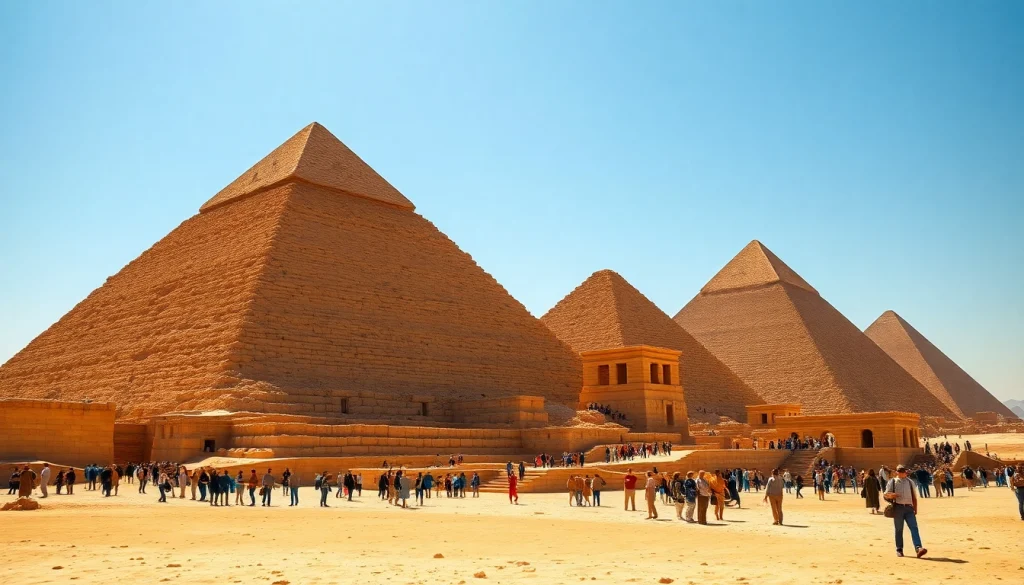
What Are Piraminds?
The term piraminds often evokes images of towering structures that have withstood the test of time. Primarily associated with ancient Egyptian architecture, piraminds are monumental edifices constructed as tombs for pharaohs and elite members of society. They serve as a testament to the architectural prowess and cultural significance of the ancient Egyptians in their quest for immortality in the afterlife.
Historical Context of Piraminds
The ancient Egyptian piraminds date back thousands of years, with the earliest known examples emerging during the Third Dynasty of the Old Kingdom, around 2670 BCE. These structures evolved from simpler mastabas, flat-roofed, rectangular tombs used in early burial practices. As the belief in the afterlife intensified, so too did the ambition behind constructing more elaborate burial sites, culminating in the iconic piraminds we recognize today, like those found at Giza.
The Architecture of Piraminds
Piraminds are characterized by their unique geometric shape, typically featuring a square base with four triangular sides meeting at a single apex. The most renowned example is the Great Pyramid of Giza, constructed from approximately 2.3 million blocks of limestone and granite, each weighing between 2.5 to 15 tons. These piraminds were often surrounded by mortuary temples, smaller pyramids for queens, and burial grounds, forming a complex dedicated to the deceased.
Purpose and Function of Piraminds
The primary purpose of piraminds was to serve as royal tombs, providing a final resting place for pharaohs. They also held significant religious connotations, symbolizing the pharaoh’s journey to the afterlife and their connection to the divine. Other functions included serving as a reflection of the wealth and power of the deceased, as well as a means of glorifying their reign, thus solidifying their legacy within ancient Egyptian culture.
Construction Techniques of Piraminds
Materials Used in Building Piraminds
The construction of piraminds primarily involved locally sourced limestone, granite, and sandstone. Limestone blocks were quarried from nearby sites and transported to construction locations. The outer casing stones were often polished, giving the piraminds a smooth appearance that reflected sunlight. Granite, utilized in the interior chambers, was often sourced from Aswan, located far to the south of the pyramid sites.
Labor and Workforce Behind the Piraminds
Contrary to the popular myth of slave labor, the construction of piraminds was carried out by a skilled workforce of laborers and craftsmen. These workers were likely organized into teams and worked in three-month shifts. It is believed that the laborers were well-fed and housed near the construction site, reflecting the significance of their work. Archaeological findings have uncovered workers’ villages, complete with bakeries and breweries to sustain this workforce.
Innovative Techniques in Piramind Construction
The construction of piraminds involved several innovative techniques that showcased the ingenuity of ancient Egyptian engineering. Ramps were likely utilized to transport the heavy stones to higher courses of the pyramid. Different ramp designs, including straight and zigzagging ramps, have been theorized. Additionally, the use of levers and counterweights facilitated the movement of stones, exemplifying the advanced engineering skills of the time.
Significance of Piraminds in Egyptian Culture
Piraminds as Tombs for Pharaohs
The significance of piraminds as tombs cannot be overstated. They served to honor the deceased pharaoh, emphasizing their divine status and ensuring their safe passage into the afterlife. Many of the internal structures were furnished with treasure, food, and items deemed necessary for the afterlife, indicating a strong belief in life after death.
Religious Importance of Piraminds
Piraminds were deeply intertwined with ancient Egyptian religion, symbolizing the connection between the pharaoh and the gods. The design and orientation of the piraminds often correlated with astronomical events, reflecting the Egyptians’ keen observation of the heavens. For instance, the Great Pyramid of Giza is aligned with remarkable precision to the cardinal points, revealing its ceremonial importance in religious practices.
Piraminds in Art and Literature
Piraminds have inspired countless works of art, literature, and folklore, both in ancient times and modern-day. Artists depicted these monumental structures in tomb paintings, pottery, and carvings. Literature studded with references to piraminds showcases their prominence in ancient cultural narratives, contributing to the mystique and fascination they generate in contemporary society.
Piraminds in Modern Times
Tourism and Economic Impact
Today, piraminds are among the most recognized cultural monuments globally, drawing millions of tourists to Egypt each year. The tourism industry revolving around these structures significantly contributes to the local economy, providing jobs and supporting local businesses. Visitors come to marvel at their grandeur, learn about their histories, and appreciate the craftsmanship that created these ancient wonders.
Preservation Efforts for Piraminds
Efforts to preserve piraminds are crucial, given their cultural and historical significance. Various organizations and governments are working tirelessly to protect these structures from environmental factors, tourism wear, and potential damage. Preservation activities include regular restoration work, the monitoring of environmental impacts, and educational initiatives aimed at promoting awareness and respect for these iconic monuments.
Current Research and Discoveries
Ongoing research continues to uncover new findings related to piraminds, from advanced technology imaging to excavations revealing hidden chambers. Recent discoveries indicate the existence of unknown voids and networks beneath the piraminds, fueling theories on their construction and purpose. As scholars and scientists collaborate, we gain invaluable insights into the lives of the ancient Egyptians and their monumental achievements.
FAQs about Piraminds
What is the purpose of the Egyptian piraminds?
Egyptian piraminds served primarily as tombs for pharaohs, designed to facilitate their journey into the afterlife.
How were piraminds constructed?
Piraminds were built using limestone and granite, incorporating innovative techniques such as ramps and levers to transport heavy stones.
What do piraminds symbolize in ancient Egypt?
Piraminds symbolize the Pharaoh’s power and their connection to the divine, serving as monumental structures for worship and burial.
How many piraminds are there in Egypt?
Egypt is home to over 100 piraminds, with the most famous located at Giza, which includes three main structures.
Are there hidden chambers in piraminds?
Many piraminds, especially those in Giza, are believed to have hidden chambers yet to be discovered, housing treasures and historical significance.