
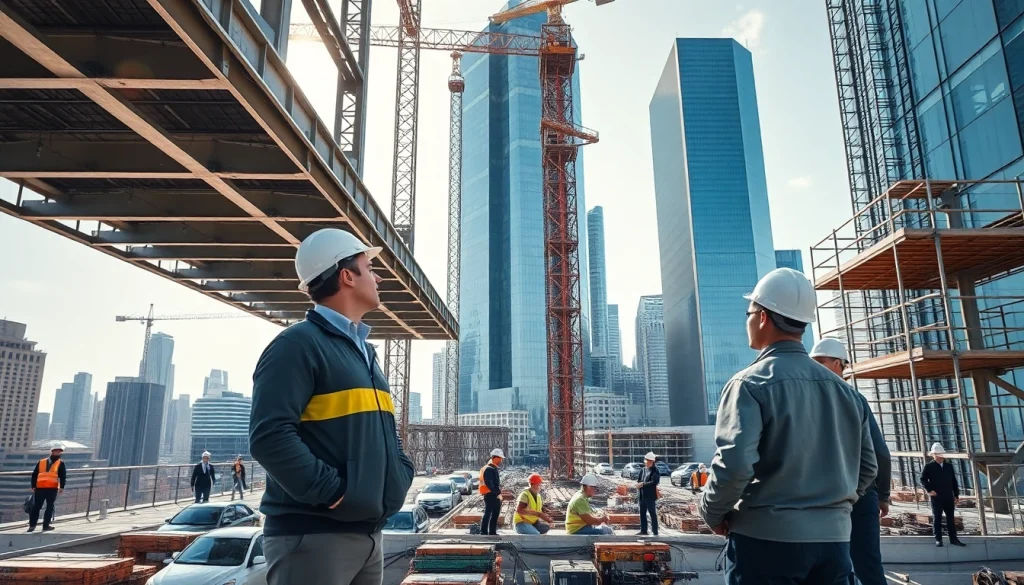
Understanding the Role of a New York City Commercial General Contractor
In the vibrant and fast-paced landscape of New York City, the role of a New York City Commercial General Contractor becomes critical in translating architectural visions into tangible realities. These professionals serve as the backbone of the construction industry, overseeing projects from inception to completion, ensuring that every aspect aligns with quality standards, budgets, and timelines. But what exactly do commercial general contractors do, and why are they essential to the construction process? Let’s dive deeper into their key responsibilities, the significance of their role, and the essential skills required to excel in this competitive sector.
Key Responsibilities and Functions
A New York City Commercial General Contractor wears many hats throughout a project’s lifecycle. Their key responsibilities often include:
- Project Coordination: Managing all phases of construction, from planning and design to execution and final inspection.
- Budget Management: Overseeing project budgets, ensuring costs do not exceed estimates while maintaining quality.
- Team Management: Hiring and coordinating subcontractors, laborers, and suppliers, fostering a collaborative working environment.
- Compliance Oversight: Ensuring that all construction work adheres to local, state, and federal regulations, including zoning laws and health codes.
- Communication: Acting as the primary point of contact for clients, architects, engineers, and local authorities, facilitating effective dialogue and information flow.
Importance in the Construction Process
The involvement of a commercial general contractor is pivotal at every stage of construction. They provide strategic leadership that mitigates risks associated with large-scale projects. Their presence helps to align diverse teams towards a common goal, ensuring timelines are met and project integrity is maintained. Furthermore, their experience can often identify potential issues before they become significant problems, ultimately steering projects toward successful completion.
Skills and Qualifications
To thrive as a New York City Commercial General Contractor, professionals must possess a blend of technical knowledge, management skills, and industry insight:
- Technical Knowledge: Acquaintance with construction methodologies, building materials, and the latest technologies in construction.
- Project Management Skills: Proficiency in planning, execution, monitoring, and completion of projects, ideally supported by tools like Gantt charts or project management software.
- Financial Acumen: Ability to create and manage budgets effectively, ensuring financial resources are allocated wisely and contending with unexpected costs.
- Leadership Ability: Competence in leading teams, motivating workers, and managing interpersonal dynamics.
- Effective Communication: Excellent written and verbal skills for clear communication with clients, stakeholders, and workers.
Choosing the Right New York City Commercial General Contractor
Selecting the right commercial general contractor can be a daunting task, given the multitude of options available in New York City. However, focusing on specific criteria can guide you toward making an informed decision.
Evaluating Experience and Portfolio
When considering a contractor, reviewing their experience and portfolio should be your first step. Assessing completed projects can provide insight into their capabilities, style, and quality of work. Look for project diversity that aligns with your needs, whether it’s an office building, retail space, or a specialized facility.
Assessing Client Testimonials
Client reviews are a valuable resource when choosing a general contractor. Testimonials and case studies reveal how past clients perceive the contractor’s performance. Pay close attention to feedback regarding timeliness, adherence to budget, and quality of workmanship, as these factors directly affect project success.
Requesting Detailed Proposals
Once you’ve shortlisted potential contractors, request detailed proposals. A thorough proposal should outline the scope of work, budget estimates, timelines, and payment schedules. This document is crucial as it establishes clear expectations and can serve as a reference point throughout the construction process.
Common Projects Undertaken by New York City Commercial General Contractors
In New York City, commercial general contractors engage in a diverse range of projects that cater to various sectors. Each project type brings unique challenges and requirements:
Office Buildings and Corporate Spaces
Constructing office buildings requires a blend of functionality and aesthetic appeal. These spaces must accommodate employee workflows while creating an inviting atmosphere. Contractors often collaborate closely with designers to maximize space utilization while adhering to corporate branding.
Retail and Hospitality Construction
Retail and hospitality projects focus heavily on customer experience. From luxurious hotel lobbies to cutting-edge storefronts, these spaces must resonate with their target audiences. Commercial general contractors need to understand market trends and consumer behavior to deliver spaces that engage and attract customers.
Healthcare and Educational Facilities
Projects in the healthcare and education sectors pose unique requirements such as compliance with stringent safety and health standards. General contractors must navigate regulatory landscapes while ensuring functionality and accessibility in their designs.
Best Practices for Working with a New York City Commercial General Contractor
Establishing a successful working relationship with your general contractor can significantly impact your project’s outcome. Here are some best practices:
Effective Communication Strategies
Cultivating clear communication channels is vital. Establish regular check-ins to discuss project milestones, address concerns, and adjust plans as necessary. Emphasize transparency to ensure everyone is on the same page and foster a collaborative environment.
Establishing Clear Contract Terms
The contract between you and the contractor lays the foundation for your project. Ensure it covers all necessary elements, such as scope, timelines, payment schedules, and contingencies. A well-defined contract helps mitigate disputes and provides a framework for accountability.
Monitoring Progress and Timelines
Regularly monitor the progress against established timelines. Utilize project management tools to track developments and adjust as necessary. This hands-on approach not only helps ensure the project stays on track but also addresses any potential delays proactively.
Future Trends in the New York City Commercial General Contractor Landscape
The construction industry is continuously evolving, influenced by advances in technology, sustainability initiatives, and changing regulations. Understanding these trends can provide insights into the future of commercial contracting.
Emerging Technologies in Construction
The use of technologies such as Building Information Modeling (BIM), drones, and augmented reality is becoming increasingly common. These tools help streamline the planning and execution of projects, enhance accuracy, and improve efficiency by allowing contractors to visualize projects before actual construction begins.
Sustainability Practices
As environmental concerns grow, the demand for sustainable construction practices is on the rise. This includes using eco-friendly materials, implementing energy-efficient designs, and adhering to green building certifications like LEED. Commercial general contractors who embrace sustainability not only contribute to environmental conservation but also appeal to a growing market of eco-conscious clients.
Impact of Regulations and Policies
The construction landscape in New York City is heavily influenced by regulatory changes and policies. Keeping abreast of local zoning laws, safety regulations, and labor contracts is essential for contractors to navigate challenges and ensure compliance, ultimately safeguarding project integrity.