Choosing the Right Fly Fishing Backpack for Your Adventure
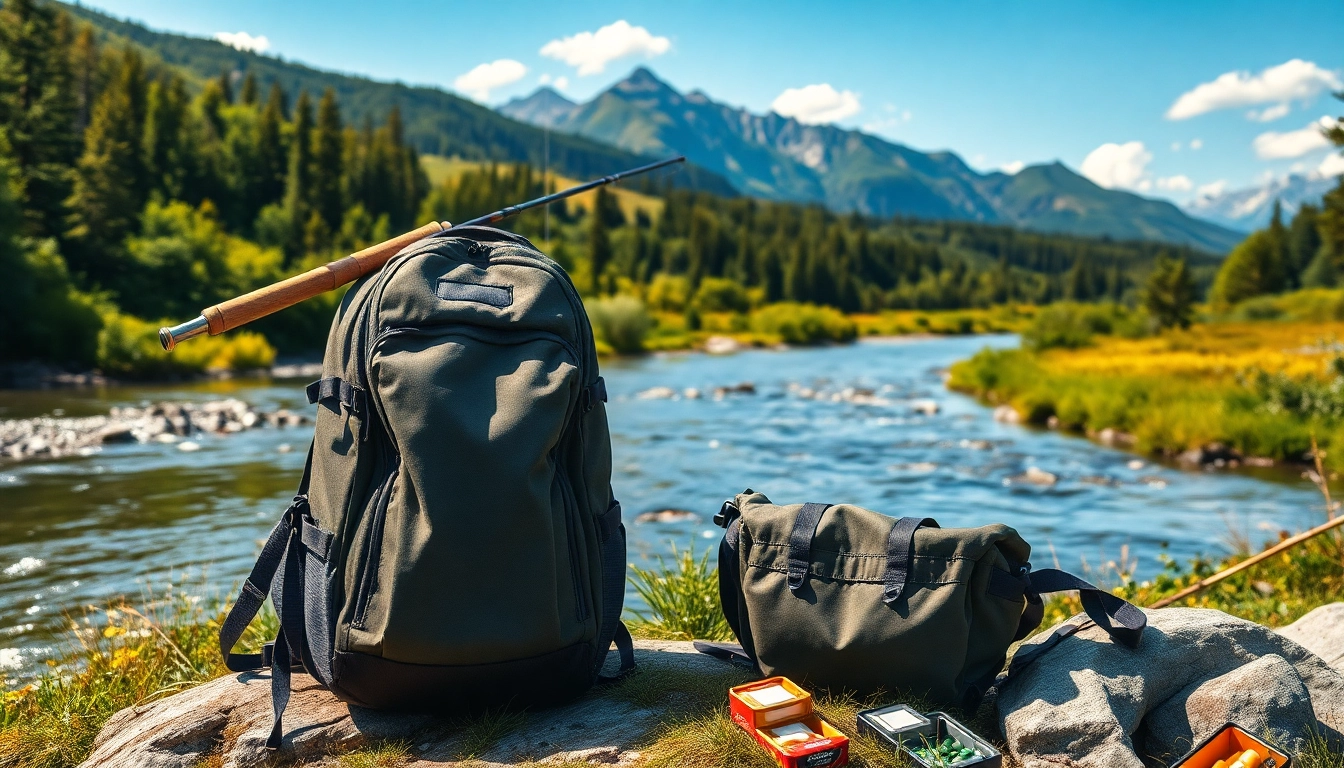
Understanding the Essentials of a Fly Fishing Backpack
Choosing the right backpack is crucial for any fly fishing enthusiast. Whether you’re planning a quick day trip or an extended backcountry adventure, having a dedicated Fly fishing backpack can enhance your fishing experience. These backpacks are designed specifically to meet the needs of anglers, combining practical features with comfort and durability.
Why Choose a Fly Fishing Backpack?
Unlike standard backpacks, a fly fishing backpack is tailored to accommodate fishing gear. They often include specialized compartments for tackle boxes, fly boxes, and other fishing essentials. The advantage of using a dedicated fishing backpack includes:
- Convenience: Designed to provide easy access to all gear while ensuring hands-free movement.
- Waterproofing: Most fly fishing backpacks are water-resistant or waterproof, protecting your gear from the elements.
- Ergonomics: Designed for comfort to allow fishermen to carry heavy loads over prolonged periods.
Key Features to Look For
When shopping for a fly fishing backpack, consider these key features:
- Material: Opt for durable, water-resistant fabrics to withstand harsh weather conditions.
- Capacity: Choose a size that fits your fishing trip length—extra space for longer trips or compact designs for day trips.
- Storage Options: Look for multiple pockets, including dry compartments for sensitive gear, and exterior attachment points for prolonging gear.
- Comfort Features: Ensure the pack has padded shoulder straps and a supportive back panel for all-day wear.
Capacity and Size Options
Fly fishing backpacks come in various sizes, typically measured in liters:
- 20-30 Liters: Suitable for short bursts of fishing, these packs fit essentials without excessive space.
- 30-50 Liters: A versatile choice for day-long trips, allowing for more gear without sacrificing comfort.
- 50+ Liters: Ideal for multi-day fishing excursions, designed to carry a significant load efficiently.
Top Types of Fly Fishing Backpacks
Day Packs vs. Multi-Day Packs
Different fishing trips require different packs:
- Day Packs: These lightweight options provide enough space for your essentials and are ideal for short excursions.
- Multi-Day Packs: Designed for longer trips, these packs offer extensive storage and typically include features for camping gear.
Waterproof Designs and Their Benefits
Waterproof materials keep your gear dry regardless of weather conditions. Spending time near water increases the risk of gear exposure to moisture, especially during fishing. Consider these benefits:
- Protection: Prevents water damage to electronic devices and tackle.
- Durability: Waterproof packs are often built from high-quality materials that resist wear and tear.
Choosing the Right Fit for Your Needs
Selecting the right backpack also depends on your personal comfort and fit:
- Try it On: Always test the pack with weight to ensure the fit supports your body properly.
- Adjustable Straps: Look for backpacks with adjustable straps to accommodate different body shapes.
How to Properly Organize Your Fly Fishing Backpack
Essential Gear to Pack
Every successful fishing trip begins with careful packing. Here’s what to include:
- Fly Rod and Reel
- Variety of Flies and Tackle
- Fishing License
- First Aid Kit
- Snacks and Water
- Navigation Tools (maps, GPS)
Organization Tips for Efficient Access
After selecting your gear, arranging it properly makes a world of difference:
- Use Mesh Bags: Organize smaller items in mesh bags for easy visibility and access.
- Prioritize Accessibility: Keep frequently accessed items, such as leaders, on top or in easily reachable pockets.
Using Compartments Effectively
Efficient use of compartments can increase the functionality of your Fly fishing backpack. Make sure to utilize:
- Packable Compartments: Store items in designated pockets to prevent loss.
- External Loops: Attach tools like nets or extra rods outside the main compartment.
Maintenance Tips for Longevity
Cleaning and Care for Your Backpack
Like any equipment, proper cleaning and care can prolong the life of your backpack:
- Regular Washing: Use mild detergent and a damp cloth to clean external surfaces.
- Drying: Allow it to dry thoroughly before storing to prevent mildew and odor.
Storage Recommendations
Store your backpack in a cool, dry place to prevent degradation of materials. Avoid direct sunlight as it can fade colors and weaken fabrics.
Repair Tips for Minor Damages
Accidents happen; here’s how to address minor issues:
- Patch Holes: Use fabric patches for small tears; many outdoor stores offer specialized repair kits.
- Reinforce Stitching: Carry a needle and thread for emergencies to secure loose areas on the field.
FAQs about Fly Fishing Backpacks
What is the best fly fishing backpack?
The best fly fishing backpack varies by user preference. Consider features like size, comfort, and waterproof capabilities when selecting one.
How much should I spend on a fly fishing backpack?
Prices for fly fishing backpacks range widely. Expect to spend $50 to $300, depending on features and brand reputation.
Can I use a regular backpack for fly fishing?
Yes, but a regular backpack may lack the specialized features of a fly fishing backpack, making access less efficient.
What is the advantage of waterproofing?
Waterproofing offers essential protection against rain and splashes, keeping your gear dry and usable.
How do I know what size to choose?
Choose a size based on trip duration and gear needed. For day trips, 20-30 liters is ideal; for overnight trips, aim for 50+ liters.