
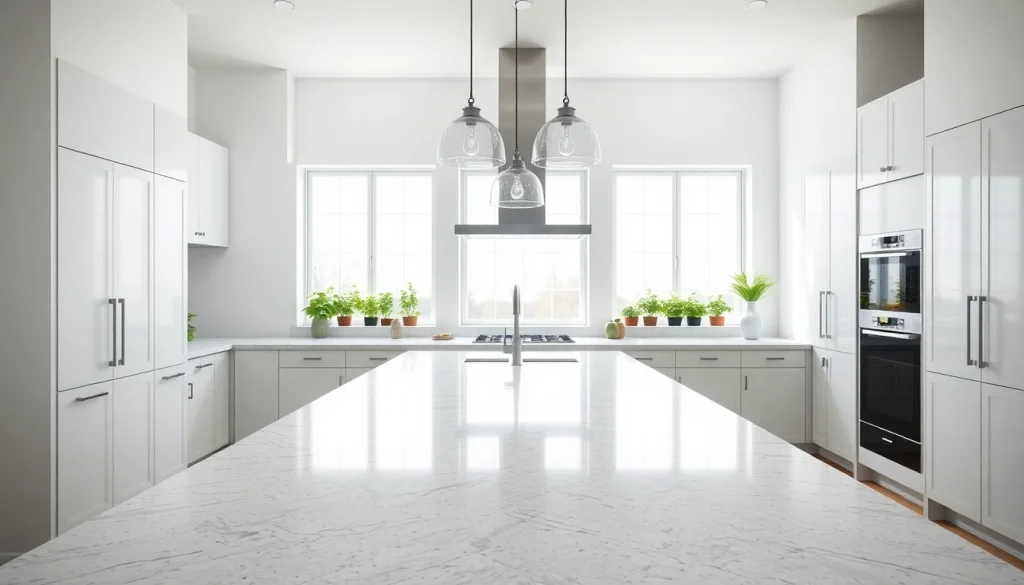
Understanding the Basics of Kitchen Remodeling
Defining Kitchen Remodeling
Kitchen remodeling goes beyond mere aesthetics; it encompasses the redesign and renovation of a kitchen space to meet modern functionalities and design preferences. This process may include upgrading appliances, changing layouts, enhancing storage options, and applying new finishes to create an appealing and efficient cooking environment. Kitchen remodeling can enhance the usability of the space, transform its appearance, and significantly increase a home’s value.
Key Benefits of Kitchen Remodeling
The advantages of kitchen remodeling are multifaceted. Firstly, it allows homeowners to tailor their kitchens according to their lifestyle and cooking habits. A well-executed remodel can improve energy efficiency through updated appliances and better insulation. Additionally, modernizing a kitchen often leads to enhanced safety features, enhancing accessibility for all family members. Finally, an appealing kitchen space can elevate the overall aesthetic of the home, making it more inviting and potentially increasing resale value. Investing in kitchen remodeling demonstrates a commitment to enhancing one’s living space.
Common Kitchen Layouts Explained
Kitchen designs often revolve around specific layouts that suit varying preferences and home configurations. The most notable include:
- Galley Layout: Focusing on functionality, this design promotes efficiency with parallel countertops and is well-suited for smaller homes.
- L-Shaped Layout: This layout creates a natural working triangle with two adjacent walls, suitable for open-plan living spaces.
- U-Shaped Layout: Providing ample counter space and storage, this design encourages movement and is perfect for larger kitchens.
- Island Layout: Incorporating a central island promotes interaction and additional workspace, ideal for families and entertaining.
Planning Your Kitchen Remodeling Project
Setting a Realistic Budget
Budgeting is crucial for a successful kitchen remodel. Start by assessing your finances and determining how much you’re willing to spend. Factor in costs for materials, labor, permits, and unexpected expenses. Research your regional costs for various materials and fixtures to avoid overspending. Consider allocating a contingency of 10-20% above your planned budget to accommodate unforeseen challenges that may arise during the project.
Choosing the Right Design Style
Your kitchen style should reflect both personal taste and the overall aesthetic of your home. Popular design styles include contemporary, farmhouse, traditional, and industrial. When choosing a design, think about the colors, materials, and textures that resonate with you. Visualize how these elements will converge to create a cohesive look. Utilize online resources, magazines, and design showrooms for inspiration and to solidify your style choices.
Creating a Timeline for Your Renovation
Establishing a realistic timeline is vital for any remodeling project. Break down the project into phases such as planning, demolition, construction, and finishing touches. Collaborate with your contractors to develop a clear schedule, keeping in mind potential delays due to materials availability or labor issues. Effective communication and flexibility are key as you navigate the remodeling process.
Essential Features for a Functional Kitchen
Storage Solutions for Kitchen Efficiency
An organized kitchen is essential for efficiency. One way to achieve this is by incorporating bespoke cabinetry, which maximizes space and meets specific storage needs. Consider employing pull-out shelves, corner cabinets, and multi-functional furniture to utilize every inch effectively. Additionally, installing overhead cabinets or open shelving helps create a spacious feel while offering accessible storage.
Choosing Quality Appliances
Investing in high-quality appliances is crucial for both functionality and energy efficiency. Look for Energy Star-rated products that reduce power consumption and align with your cooking habits. Choosing the right size and specifications is important; ensure that appliances fit your kitchen layout and meet your culinary needs. Balancing quality and aesthetics will create a cohesive and stylish kitchen environment.
Lighting Options that Transform Spaces
Effective lighting can dramatically change the ambiance of a kitchen. Layering different types of lighting—ambient, task, and accent—helps create a multifunctional space. Pendant lights above an island offer task lighting while providing character, while dimmable recessed lighting can set the mood. Incorporating under-cabinet lighting can enhance workspace visibility, making preparation and cooking more manageable.
Overcoming Common Challenges in Kitchen Remodeling
Dealing with Space Limitations
Space constraints are common, especially in urban areas. To address this, focus on optimizing your design; you may need to forego certain elements for a streamlined, functional space. Consider incorporating modular furniture that can be easily rearranged, and choose lighter colors to create an illusion of space. Moreover, built-in storage solutions can help maximize functionality without crowding the kitchen.
Managing Disruptions and Dust
Renovations often generate significant disruption and dust, but proper planning can minimize these challenges. Create a temporary cooking area in another part of your home, using essential appliances like a microwave and slow cooker. Use plastic sheeting and ZipWall systems to contain dust, protecting the rest of your living space. Establish clear communication with your contractors to ensure a smooth workflow and prompt responses to any issues.
Staying on Schedule and Budget
Adhering to a strict schedule and budget is essential for a successful remodel. Regularly review progress with your contractors and ensure they understand your expectations. Document any scope changes in written contracts to avoid surprises. Having a timeline and budget tracker can help keep all parties accountable, ensuring that your project remains on track and within financial limits.
Trends and Innovations in Kitchen Remodeling
Sustainable Materials and Practices
As environmental awareness grows, sustainable kitchen remodeling practices are gaining popularity. Consider using recycled or reclaimed materials for countertops and cabinetry, which reduce landfill waste. Bamboo and cork are excellent sustainable flooring options that provide durability and style. Additionally, incorporating energy-efficient appliances not only minimizes environmental impact but can lead to long-term cost savings.
Smart Technology Integration
Integrating smart technology into kitchen designs is revolutionizing how we interact with our spaces. Smart appliances, such as refrigerators with touchscreen interfaces, enable users to streamline meal planning and grocery management. Installing smart lighting and voice-activated assistants can enhance convenience, allowing homeowners to control various kitchen features remotely. This technological integration not only improves functionality but also modernizes the overall aesthetic.
Timeless Designs vs. Trendy Choices
When remodeling, a common dilemma arises between opting for timeless designs or trendy choices. While trends offer freshness and excitement, they can quickly become outdated. Focus on blending classic elements with contemporary features to achieve a balanced look that can withstand changing styles. Neutral color palettes paired with bold accent features can provide versatility, ensuring longevity and appeal for years to come.
Frequently Asked Questions
1. What is the average cost of kitchen remodeling?
The average cost varies greatly based on location, scope, and materials, ranging from $10,000 to $50,000. Comprehensive planning and budgeting are essential for accurate costs.
2. How long does a kitchen remodel typically take?
A kitchen remodel can take anywhere from a few weeks to several months, depending on the complexity and size of the renovation. Proper planning helps in creating realistic timelines.
3. Should I hire a designer for my kitchen remodel?
Hiring a designer can be beneficial, especially for complex projects. They can provide valuable insights, optimize layout, and help you avoid costly mistakes while ensuring your vision is realized.
4. Can I do a kitchen remodel on a tight budget?
Yes, with careful planning, you can remodel within a tight budget by prioritizing essential upgrades and opting for cost-effective materials. DIY approaches can also cut labor costs significantly.
5. What are the best materials for kitchen countertops?
Popular countertop materials include quartz, granite, and butcher block. Each offers durability and aesthetics; consider your cooking habits and maintenance preferences when choosing.