Electrician performing crucial electrical maintenance tasks to ensure safety and efficiency.

Understanding Electrical Maintenance: Best Practices and Key Insights

The Importance of Electrical Maintenance

In the world of utilities and infrastructure, electrical maintenance plays a crucial role in ensuring that systems remain safe, reliable, and efficient. With the ever-increasing demand for electrical power in both commercial and residential settings, regular maintenance is essential to prevent issues that can lead to costly downtimes, accidents, or even catastrophes. In this comprehensive guide, we will delve into the significance of electrical maintenance, the different types available, common electrical problems and solutions, how to implement an effective maintenance plan, and frequently asked questions surrounding the topic.

Why is Electrical Maintenance Essential?

Electrical maintenance ensures that all electrical systems operate smoothly and efficiently. Regular checks and repairs help maintain optimal performance while extending the life of electrical equipment. It’s the cornerstone of operational reliability, preventing unexpected malfunctions that could disrupt workflows or threaten safety.

Common Risks of Neglecting Electrical Maintenance

Failing to conduct regular electrical maintenance can result in perilous situations. Common risks include:

  • Fire Hazards: Overheating wires or malfunctioning equipment can spark fires.
  • Equipment Damage: Faulty electrical systems can cause damage to appliances and machinery.
  • Personnel Safety Risks: Poorly maintained systems increase the likelihood of electrical shocks or accidents.
  • Downtime: Unexpected electrical failures can lead to significant operational downtimes, resulting in lost revenue.

Benefits of Regular Electrical Maintenance

Conducting regular electrical maintenance offers numerous benefits such as:

  • Increased Efficiency: Well-maintained electrical systems are more efficient, leading to lower energy bills.
  • Increased Lifespan of Equipment: Regular checks and timely repairs can significantly extend the lifespan of electrical components.
  • Enhanced Safety: Routine inspections minimize the risk of electrical fires and accidents, creating a safer environment.
  • Compliance: Regular maintenance helps ensure compliance with local regulations and standards, averting potential fines.

Types of Electrical Maintenance

Understanding the various types of electrical maintenance is essential for creating a comprehensive strategy. Each type focuses on different aspects of system upkeep and serves unique purposes.

Preventive Electrical Maintenance Explained

Preventive maintenance involves regular inspections and upkeep to prevent potential failures. This type of maintenance can include:

  • Routine checks of wiring and connections
  • Testing protective devices like circuit breakers
  • Thermal imaging inspections to detect overheating
  • Regularly cleaning electrical components to prevent debris accumulation

The aim of preventive maintenance is to detect issues before they lead to more serious problems, thereby reducing long-term costs.

Predictive Maintenance: Forecasting Issues

Predictive maintenance uses data-driven techniques to predict when a piece of equipment may fail. This approach relies heavily on:

  • Real-time monitoring systems
  • Data analysis algorithms to determine potential failures
  • Vibration analysis and thermal imaging

With predictive maintenance, organizations can schedule repairs during off-peak times, minimizing disruptions and maximizing productivity.

Breakdown Maintenance: When to React?

Breakdown maintenance, also known as reactive maintenance, occurs after an equipment failure. While it may seem counter-intuitive, some organizations adopt this strategy for non-critical systems. However, relying too heavily on breakdown maintenance can lead to:

  • High repair costs due to emergency services
  • Increased downtime affecting overall productivity
  • Potential hazards associated with malfunctioning systems

Despite its reactive nature, understanding breakdown maintenance allows for better contingency planning and response protocols.

Common Electrical Problems and Solutions

Electrical systems can encounter several issues over time. Here’s a closer look at some common problems and their solutions.

Electrical Short Circuits: Causes and Fixes

Short circuits occur when a hot wire contacts a neutral wire, leading to extreme current flow. This can cause breaker trips or fires. Regularly inspecting wiring can help identify potential shorts in advance.

Common fixes include:

  • Replacing damaged wires and connections
  • Using circuit breakers to prevent excess current flow
  • Ensuring that connections are properly insulated

Understanding Circuit Overloads

Circuit overloads occur when too many devices draw power from a single circuit. This can lead to tripped breakers and overheating.

Solutions involve:

  • Distributing the load across multiple circuits
  • Upgrading to a higher-capacity circuit if necessary
  • Using power strips with overload protection

Diagnosing Flickering Lights

Flickering lights can indicate issues such as loose connections or overloaded circuits. Here’s how to diagnose:

  • Check if the flickering is localized to one fixture or happens throughout the home.
  • Inspect light bulbs to ensure they’re properly installed and functional.
  • Consult an electrician if multiple fixtures flicker simultaneously.

Implementing an Electrical Maintenance Plan

A well-structured electrical maintenance plan is critical for lasting performance and safety. Here’s a step-by-step guide for implementation.

Steps to Create an Effective Plan

  1. Assess Current Systems: Evaluate existing electrical systems to identify weaknesses and opportunities for improvement.
  2. Set Objectives: Define clear goals for safety, efficiency, and compliance.
  3. Develop a Schedule: Establish regular inspection timelines and maintenance tasks based on the type of systems being used.
  4. Document Procedures: Maintain comprehensive records of all maintenance activities for future reference.
  5. Train Personnel: Ensure that all staff involved are properly trained in safe electrical practices and troubleshooting methods.

Key Equipment to Include

When implementing an electrical maintenance plan, certain equipment is critical for maintaining safety and efficiency:

  • Transformers and switchgear
  • Circuit breakers and disconnects
  • Wiring systems and junction boxes
  • Lighting systems

Monitoring and Adjusting Your Maintenance Strategy

Continuous evaluation of your maintenance plan is vital. Monitor metrics like:

  • Frequency of repairs
  • Downtime incidents
  • Employee feedback on electrical system performance

Regular adjustments based on these metrics can strengthen your maintenance strategy and ensure optimal functionality of electrical systems.

Frequently Asked Questions about Electrical Maintenance

What is electrical maintenance?

Electrical maintenance refers to the process of inspecting, testing, and repairing electrical systems and equipment to ensure they function safely and effectively.

What are basic electrical maintenance tasks?

Basic tasks include checking wiring integrity, testing circuit breakers, inspecting outlets, and cleaning electrical equipment to prevent debris buildup.

How often should electrical maintenance be conducted?

Frequency depends on the system’s complexity and usage but typically ranges from semi-annually to annually for most facilities to ensure optimal operation.

What are signs that electrical maintenance is needed?

Signs may include flickering lights, tripped circuit breakers, burning smells, or outlets that feel unusually warm or hot to the touch.

Can I perform electrical maintenance myself?

While some basic tasks are simple, it’s advisable to hire a qualified electrician for complex systems and repairs to ensure safety and compliance.

Contact Information

Call Us: 780 454 6490
Email: [email protected]

Address: 12925 148 Street NW Edmonton, AB T5L 2H9

Expert technician providing hydraulic repair services with precision equipment and a focused atmosphere.

Reliable Hydraulic Repair Services for All Your Equipment Needs

Understanding Hydraulic Repair Services

What Are Hydraulic Repair Services?

Hydraulic repair services encompass a range of specialized services aimed at maintaining, restoring, and enhancing hydraulic systems. These systems, vital in various machinery, utilize fluid power to perform work. Hydraulic repair services include everything from diagnosing issues, replacing faulty components, to full system refurbishments. More importantly, these services ensure that hydraulic systems operate at peak performance, which is crucial for both efficiency and safety.

In particular, effective hydraulic system maintenance can extend the lifespan of equipment and prevent catastrophic failures. This prevents costly downtime and enhances productivity in industrial settings. For organizations relying on machinery that utilizes hydraulic systems, accessing reliable hydraulic repair services is essential to ensure seamless operations.

Importance of Regular Maintenance

Regular maintenance of hydraulic systems is not merely a recommendation; it is a necessity. Hydraulic systems are prone to wear and tear due to the high-pressure environments in which they operate. Routine checks help in identifying leaks, low fluid levels, and contamination issues before they escalate into significant problems.

Moreover, routine maintenance can improve the overall efficiency of the system by ensuring that all components, such as pumps, valves, and hoses, are functioning optimally. Scheduled maintenance can reduce operational costs by preventing unexpected breakdowns and extending the service life of the equipment.

How Hydraulic Systems Function

At the heart of hydraulic systems lies Pascal’s principle, which states that pressure applied to a confined fluid is transmitted undiminished in all directions. This principle is the basis for the functionality of hydraulic machinery.

The core components of these systems include:

  • Pumps: Convert mechanical energy into hydraulic energy, moving fluid through the system.
  • Cylinders: Convert hydraulic energy back into mechanical energy, facilitating movement.
  • Valves: Control fluid flow and pressure within the system.
  • Fluid Reservoirs: Store hydraulic fluid, which is essential for operation.

Together, these components allow hydraulic systems to efficiently perform a variety of tasks, from lifting heavy loads to precisely controlling machinery operations.

Common Issues Requiring Hydraulic Repair Services

Identifying Hydraulic Failures

Hydraulic failures can manifest in several ways, and it is essential to recognize the signs early. Common indicators include:

  • Fluid Leaks: Visible fluid on the ground or around machinery is a clear sign of a leak.
  • Unusual Sounds: Grinding or hissing noises often indicate internal damage or air in the system.
  • Reduced Performance: Sluggish or unresponsive machinery suggests a drop in hydraulic pressure.
  • Overheating: Systems that run excessively hot can be a sign of fluid contamination or low fluid levels.

Typical Hydraulic System Problems

Several issues can frequently arise within hydraulic systems, including:

  • Contamination: Dirt, water, and other contaminants can severely damage components.
  • Worn Seals: Aging seals can lead to leaks and pressure loss.
  • Air Entrapment: Air in the system disrupts fluid flow, causing erratic performance.
  • Improper Fluid Levels: Insufficient or excessive fluid can hinder performance.

By understanding these common problems, operators can act promptly to seek necessary hydraulic repair services before minor issues escalate into costly failures.

Assessing Damage Levels

Assessing the damage in hydraulic systems involves a structured approach:

  1. Visual Inspection: Check for visible leaks, wear, and tear on hoses and connections.
  2. Fluid Analysis: Analyze hydraulic fluid for contamination or degradation.
  3. Pressure Testing: Ensure the system maintains proper pressure under various loads.

These assessments allow technicians to diagnose problems effectively and determine the root cause of failures, leading to accurate repair solutions.

Choosing Professional Hydraulic Repair Services

Evaluating Service Providers

Selecting the right hydraulic repair service is critical for effective maintenance and repair. Consider the following when evaluating providers:

  • Experience and Expertise: Ensure the provider has a robust background in handling both your specific type of machinery and hydraulic systems.
  • Service Variety: A good repair service should offer a wide range of services, from minor repairs to complete system overhauls.
  • Mobile Services: If your equipment cannot be moved easily, a service that offers onsite repairs can save time and money.

Certifications and Experience

Verify that the technicians are certified and trained in hydraulic repair. Certifications indicate a standard of skill and adherence to safety regulations. Look for providers with a proven track record of successful repairs and satisfied customers.

Customer Reviews and Feedback

Research customer feedback online. Reading reviews can provide insight into the reliability and quality of the services offered. Consistent positive reviews indicate credibility, whereas negative feedback might caution you against that provider.

Cost Factors for Hydraulic Repair Services

Estimating Repair Costs

The cost of hydraulic repairs can vary widely based on several factors, including:

  • Extent of Damage: More extensive damage typically requires more time and resources to repair.
  • Parts Replacement: The cost of replacement parts can significantly impact total expenses.
  • Labor Rates: Depending on your location, labor costs can fluctuate significantly.

Factors Influencing Prices

In addition to the aforementioned points, other factors affecting repair costs include:
– The complexity of the hydraulic system.
– Availability of replacement parts.
– Urgency of service, as emergency repairs often command higher fees.

Budgeting for Necessary Repairs

Planning an annual maintenance budget for hydraulic repair services is essential. By forecasting potential repairs based on historical data and regular system assessments, companies can set aside the necessary funds to ensure timely repairs without disrupting operations.

FAQs about Hydraulic Repair Services

What is the typical cost for hydraulic repairs?

The cost can vary typically from a few hundred to several thousand dollars based on issues like the extent of damage and parts needed.

How long do hydraulic services take?

Repair time can range from a few hours to several days, depending on the complexity of the issue and the availability of parts.

What signs indicate a hydraulic system problem?

Look for leaks, unusual noises, reduced performance, or overheating, which are common signs of hydraulic issues.

Can hydraulic repairs be done on-site?

Yes, many hydraulic repair services offer mobile solutions, making it possible to repair systems directly on-site for convenience.

How often should hydraulic systems be serviced?

It is advisable to have hydraulic systems serviced at least once a year, though more frequent checks may be needed depending on usage and operating conditions.

By understanding the intricacies of hydraulic repair services and selecting knowledgeable professionals, organizations can ensure the optimal performance and longevity of their hydraulic systems.

Contact Information

Call Us: 1 780-452-2876
Email: [email protected]

Address: 13111 159 St NW, Edmonton, AB, Canada, T5V 1H6

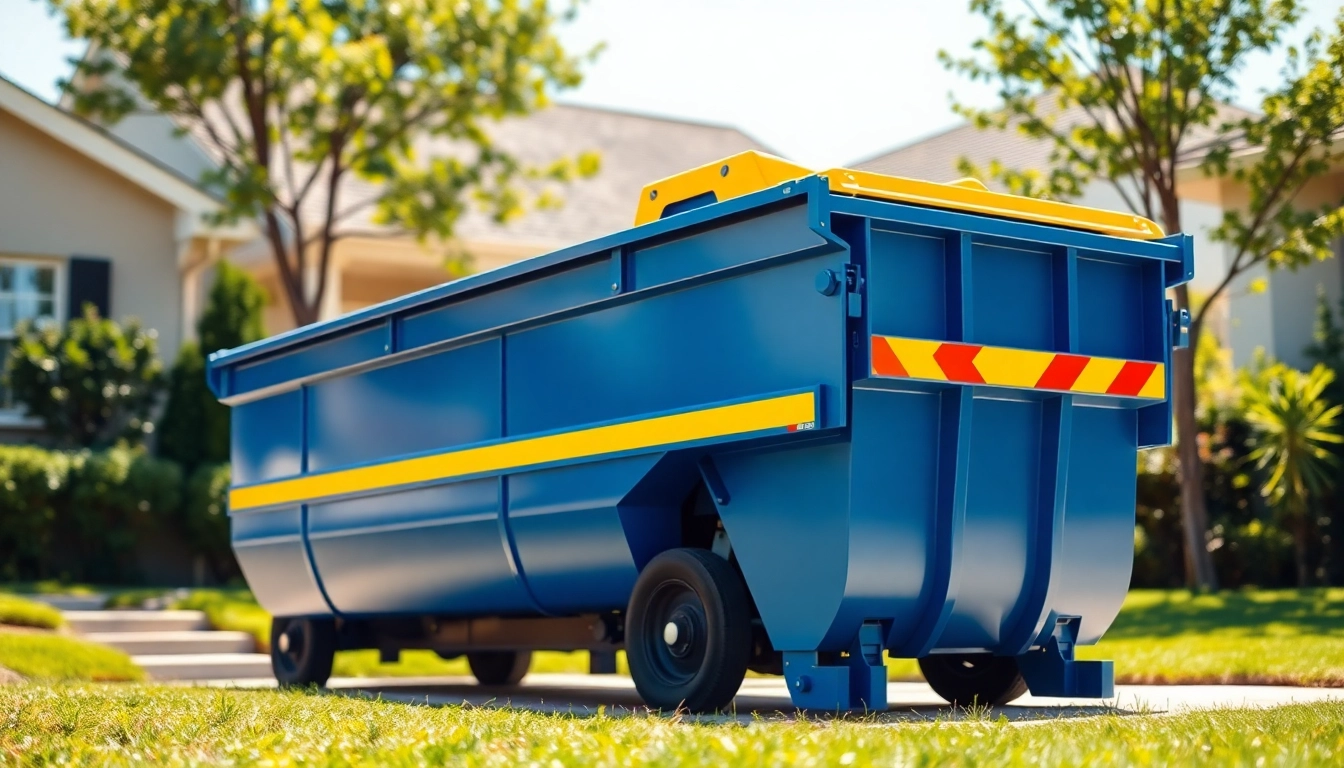
Engaging garbage removal bins displayed prominently in a tidy suburban area.

Reliable Garbage Removal Bins: Your Go-To Solution for Waste Management

Understanding Garbage Removal Bins

What Are Garbage Removal Bins?

Garbage removal bins are specialized containers designed to efficiently collect, transport, and dispose of waste materials. Typically made from durable materials like metal or hard plastic, these bins facilitate the decluttering process for both residential and commercial properties. They come in various sizes and shapes to accommodate different waste disposal needs, such as home renovations, cleanouts, or large construction projects. The convenience brought by garbage removal bins helps streamline the management of various types of waste, promoting an organized and efficient cleanup process.

Types of Garbage Removal Bins

Garbage removal bins can be categorized based on their design, size, and intended use. Understanding the different types available can help you choose the most suitable option for your needs:

  • Roll-off Bins: Commonly used for construction and renovation projects, these bins are delivered via a truck and can be rolled off easily on-site. Their larger capacity makes them ideal for bulky waste.
  • Static Bins: These are stationary containers typically found in residential or commercial areas for ongoing waste collection. They are emptied regularly by waste management services.
  • Split Bins: Designed for mixed waste disposal, these bins allow for separation of different waste types, promoting recycling and proper waste segregation.
  • Compactor Bins: Often used by businesses and restaurants, these bins compress waste to maximize space, minimizing the number of pickups needed.

Common Uses for Garbage Removal Bins

Garbage removal bins serve a variety of purposes across different scenarios:

  • Residential Cleanouts: Perfect for decluttering homes during spring cleaning or moving house.
  • Construction Sites: Essential for managing debris and construction waste, helping maintain a safe work environment.
  • Landscaping Projects: Useful for disposing of yard waste, soil, and other organic materials from landscaping efforts.
  • Event Cleanup: Beneficial during large events or festivals for quick cleanup and waste management.

Choosing the Right Garbage Removal Bins for Your Needs

Factors to Consider

When selecting garbage removal bins, several factors should be considered:

  • Volume of Waste: Assess the expected amount of waste to ensure the bin size meets your needs without overflow.
  • Type of Waste: Different materials (e.g., construction debris, household junk) may require specific types of bins. Consider what you’ll be disposing of to choose appropriately.
  • Duration of Use: Determine how long you will need the bin. Short-term projects may require different options than ongoing waste management needs.
  • Access and Location: Ensure adequate access for delivery and pickup, considering space restrictions on your property.

Residential vs. Commercial Options

Choosing between residential and commercial garbage removal bins is essential as their specifications may differ:

  • Residential Options: Generally available in smaller sizes—perfect for home renovations or cleanouts.
  • Commercial Options: Designed for larger-scale waste disposal with higher volume and frequency of usage, commonly found in businesses, construction sites, and large events.

How to Estimate Size Requirements

Estimating the required size of a garbage removal bin is vital to avoid overpaying or dealing with disposal limitations:

  • For small projects such as spring cleaning, a 10-15 yard bin may suffice.
  • Medium projects like home renovations typically require 20-30 yard bins.
  • For major renovations or construction, consider bins that are 40 yards or larger.

Best Practices for Using Garbage Removal Bins

Loading Techniques for Maximum Capacity

To optimize the use of a garbage removal bin, follow these loading techniques:

  • Break Down Items: Dismantling furniture or crushing cardboard can save space.
  • Layer Heavier Items: Place heavier items at the bottom to create a stable base, stacking lighter items on top.
  • Fill Gaps: Use small items or crushed boxes to fill in empty spaces to maximize capacity.

Sorting Waste for Efficient Disposal

Proper sorting before disposal can improve recycling efforts and reduce landfill impact:

  • Separate Recyclables: Ensure glass, plastic, and metal are disposed of in designated containers.
  • Hazardous Waste: Identify and properly dispose of hazardous materials instead of placing them in the bin.

Common Mistakes to Avoid

Avoid these common pitfalls while using garbage removal bins:

  • Overloading the bin can lead to additional fees or refusal of pickup.
  • Mixing non-disposable materials can create complications during the disposal process.
  • Neglecting to check local regulations may result in fines for improper waste disposal.

Cost of Renting Garbage Removal Bins

Factors Influencing Pricing

Understanding the pricing mechanism for garbage removal bins is essential for budget management:

  • Size of the Bin: Larger bins generally come with higher rental fees.
  • Type of Waste: Hazardous materials might incur additional costs due to special handling needs.
  • Duration of Rental: Longer rental periods will accumulate more costs.

Comparing Rental Quotes

When comparing quotes from various providers, consider the following:

  • Ask about included services, such as delivery and pickup times.
  • Factor in additional costs that may not be listed in initial quotes.
  • Evaluate customer service and support options from rental companies.

Additional Charges to Watch For

There are additional fees that many customers overlook when renting garbage removal bins:

  • Overweight charges if the bin exceeds the weight limit.
  • Extended rental fees for keeping the bin beyond the agreed duration.
  • Charges for disposing of prohibited materials.

Frequently Asked Questions About Garbage Removal Bins

How long can I keep the garbage removal bins?

The rental duration varies by provider, typically spanning from a few days to several weeks. Always check the terms when renting.

What can I dispose of in the garbage removal bins?

You can generally dispose of household junk, construction debris, and yard waste. However, hazardous materials often require special disposal methods.

Are there weight limits for garbage removal bins?

Yes, most bins have specific weight limits that, if exceeded, may result in additional charges or refusal of service.

Can I rent garbage removal bins for a single day?

Some companies offer same-day rentals for short-term needs, but availability may vary by location and demand.

What happens if I overfill the garbage removal bins?

Overfilling can lead to extra fees, and providers may refuse to haul the bin until it is compliant with weight and regulation standards.

Contact Information

Call Us: 780-826-2466
Email: [email protected]

Address: 45326 Hwy 659, Bonnyville, AB T9N 2J5

Loading garbage removal bins during an efficient waste collection process.

Efficient Solutions for Your Garbage Removal Bins Needs

Understanding Garbage Removal Bins

Garbage removal bins are essential tools for effective waste management, catering to a variety of needs ranging from residential cleanouts to large construction projects. Their versatility and efficiency make them a preferred choice for disposing of unwanted items, debris, and junk. As we delve deeper into the world of garbage removal bins, let’s explore the types, size considerations, and typical uses.

Types of Garbage Removal Bins

Garbage removal bins come in various types, each suited for different tasks and waste categories. Below is a breakdown of common types:

  • Roll-off Bins: Large, open-top containers that are delivered by specialized trucks. Typically used for construction and renovation projects due to their significant capacity.
  • Front-load Containers: Usually smaller, these bins are ideal for frequent pickups in commercial settings or residential units. They have a hinged lid that allows for easy access.
  • Mini Bins: Compact and versatile, mini bins are perfect for smaller jobs, such as yard cleanups or small renovations. They can usually fit in tight spaces.
  • Specialty Bins: Designed for specific types of waste, such as electronic waste or hazardous materials, ensuring safe disposal of substances that require special handling.

Choosing the Right Size

When selecting a garbage removal bin, size is a crucial factor that directly impacts your project’s efficiency and cost. Garbage removal bins come in various sizes, typically ranging from 10 yards to 40 yards. Key considerations for choosing the appropriate size include:

  1. Project Scope: Assess the volume of waste you will generate. Larger projects likely require bigger bins.
  2. Frequency of Use: If you routinely deal with waste, opting for a front-load container might provide longer-term convenience.
  3. Local Regulations: Some areas have restrictions regarding bin sizes that can be placed on public streets or driveways.

In general, for minor clean-outs, choose a 10 to 15-yard bin, while major renovations or construction projects usually require 20 to 40-yard bins.

Common Uses for Garbage Removal Bins

Garbage removal bins are incredibly versatile and can be used for various applications, including:

  • Home Renovations: During remodeling or renovation projects, these bins are vital for disposing of debris, old furniture, and construction waste.
  • Yard Work: Clearing out gardens or yards often creates a significant amount of green waste that can easily fit into a garbage removal bin.
  • Commercial Projects: Businesses often utilize these bins for regular waste collection or during special projects like office relocations.
  • Events and Festivals: Large gatherings require an efficient way to manage waste, making these bins a necessity for cleanup after the event.

Benefits of Utilizing Garbage Removal Bins

The advantages of employing garbage removal bins go beyond mere convenience. Below are several key benefits that underscore their value:

Cost-Effectiveness and Value

Utilizing garbage removal bins can lead to significant cost savings, particularly in larger projects. By consolidating waste into one location, you minimize multiple trips to disposal sites, saving both time and fuel costs. Additionally, many services offer flat rates based on the size of the bin and the duration of the rental period, which allows for predictable budgeting.

Environmental Impact

Using garbage removal bins encourages responsible waste disposal practices. Many companies prioritize recycling and environmentally-friendly disposal methods, ensuring that a high percentage of the waste collected is diverted from landfills. Choosing a provider who adopts such practices can significantly reduce your project’s environmental footprint.

Convenience and Accessibility

One of the primary advantages of garbage removal bins is the unparalleled convenience they offer. They can be delivered directly to your job site, allowing for immediate waste disposal. Additionally, having a designated space for waste minimizes clutter and enhances safety at the site, as debris can be quickly disposed of rather than left lying around.

Best Practices for Loading Garbage Removal Bins

Maximizing the efficiency of garbage removal bins requires following best practices for loading. Implementing these strategies can enhance safety and efficiency while ensuring you’re getting the most out of your rental. Here are some crucial points to consider:

Safety Tips When Loading

Proper safety measures are essential when loading garbage removal bins. Here are some key best practices:

  • Use appropriate lifting techniques to prevent injuries.
  • Wear gloves and safety gear, especially when handling sharp or heavy materials.
  • Ensure that bins are not overloaded, which can lead to safety hazards during transport.

How to Maximize Space

Efficient loading is critical to maximizing the utility of your garbage removal bin:

  • Break Down Large Items: Disassemble furniture and large items to create more space.
  • Layering: Place heavier items at the bottom and lighter items on top to utilize vertical space.
  • Fill Gaps: Use smaller debris to fill gaps between larger items, optimizing space.

Types of Waste to Avoid

While garbage removal bins are versatile, some materials should not be placed in them due to regulations and safety concerns:

  • Hazardous Waste: This includes chemicals, paints, and batteries, which require special handling.
  • Electronic Waste: Items such as computers and TVs may contain hazardous materials and should be disposed of at dedicated recycling facilities.
  • Medical Waste: Items like syringes and other medical supplies require proper disposal per health regulations.

Comparing Garbage Removal Bins Options

With numerous options available, it’s crucial to evaluate different garbage removal bins services before making a decision. Here’s a structured approach to help you compare effectively:

Local vs National Service Providers

Both local and national service providers offer garbage removal bins, each with unique advantages. Local providers often understand regional regulations better and may offer personalized services. National companies, on the other hand, may have more standardized processes and broader availability.

Pricing Overview

Pricing can vary significantly based on geographical location, the size of the bin, and rental duration. When comparing options, ensure you’re looking at comprehensive quotes that factor in additional fees such as delivery and pickup charges. It’s wise to request estimates from multiple providers, taking care to clarify what each quote includes.

Evaluating Customer Service

Exceptional customer service can elevate your overall experience with garbage removal bins. Look for providers with strong communication skills, transparency in pricing, and a commitment to resolving issues promptly. Reading reviews or seeking recommendations can provide valuable insights into the level of customer satisfaction associated with a provider.

Frequently Asked Questions

1. What are garbage removal bins used for?

Garbage removal bins are primarily used for collecting and disposing of waste during home renovations, cleanouts, or construction projects.

2. How do I choose the right size for my garbage removal bins?

Consider the amount of waste you’ll be disposing of; common sizes range from 10 to 40 yards, depending on your project scale.

3. What can I place in garbage removal bins?

Most nonhazardous waste like furniture, yard debris, and construction materials can be disposed of. Avoid hazardous items.

4. How much do garbage removal bins typically cost?

Costs vary based on size and rental duration; prices often range from $200 to $800 depending on location and provider.

5. How long can I keep a garbage removal bin?

Typically, rental periods span from a few days to a week, with options for extensions depending on your rental agreement.

Contact Information

Call Us: 780-826-2466
Email: [email protected]

Address: 45326 Hwy 659, Bonnyville, AB T9N 2J5

Explore efficient garbage removal bins arranged in an urban setting for diverse waste needs.

Comprehensive Guide to Choosing the Right Garbage Removal Bins

Understanding Garbage Removal Bins

What Are Garbage Removal Bins?

Garbage removal bins are essential containers designed to facilitate efficient waste disposal, particularly for large volumes of trash generated during renovations, cleanouts, or special events. Often, these bins come in various sizes to accommodate different types of waste management needs, making them an integral part of both residential and commercial projects. Their utility extends beyond mere waste collection; they also promote responsible disposal practices.

Types of Garbage Removal Bins

There are various types of garbage removal bins available, each catering to specific disposal requirements:

  • Roll-off Bins: These large, open-top containers are typically rented for major projects like construction or home renovations. They are transported by specialized trucks and come in various sizes, often ranging from 10 to 40 cubic yards.
  • Mobile Bins: Designed for smaller projects, mobile bins can often be delivered directly to the location and collected when full. These bins are ideal for residential cleanouts and minor landscaping projects.
  • Commercial Bins: Used by businesses for regular waste collection, these bins are often more robust and are tailored to handle commercial waste. Businesses may opt for consistent collection schedules.
  • Compactor Bins: These are special bins equipped with a compaction mechanism to reduce waste volume. They are commonly used in industrial settings where waste volume is significant.

Benefits of Using Garbage Removal Bins

The use of garbage removal bins offers several advantages:

  • Convenience: Having a dedicated bin simplifies waste management, allowing you to clear out large volumes of debris without frequent trips to a landfill.
  • Safety: Properly contained waste minimizes risks associated with debris, such as injuries or environmental hazards.
  • Compliance: Utilizing specified bins ensures adherence to local waste disposal regulations, reducing the risk of fines.
  • Environmental Responsibility: Many garbage removal services promote recycling and responsible disposal, contributing to a reduction in landfill waste.

Selecting the Right Size of Garbage Removal Bins

Small, Medium, and Large Bins Explained

When choosing the appropriate garbage removal bins, consider the volume of waste and the nature of the project. Here’s a breakdown:

  • Small Bins (10-15 cubic yards): Ideal for small home projects, such as cleaning out a garage or basement.
  • Medium Bins (20-30 cubic yards): Suitable for mid-sized renovations or cleanouts, such as remodeling a bathroom or kitchen.
  • Large Bins (40 cubic yards): Best for extensive construction or demolition projects where enormous amounts of waste are generated.

Evaluating Your Waste Disposal Needs

Before renting a garbage removal bin, assess your waste disposal requirements. Calculate the estimated volume of waste generated, considering factors such as:

  • The type of project you are undertaking
  • The volume and weight of waste materials
  • The duration for which you will need the bin

Storage and Delivery Considerations

Consider where the garbage removal bins will be placed. Ensure the delivery location is accessible and compliant with local regulations. Additionally, planning for storage during the rental period is essential to avoid additional fees or complications.

Cost Factors for Garbage Removal Bins

Rental Prices Explained

The rental cost for garbage removal bins can vary based on a range of factors, including:

  • The size and type of bin rented.
  • The duration of the rental agreement.
  • The location of the rental service and any specific regional rates.

On average, rental prices range from $200 to $600, depending on these factors. Always request a detailed quote, often found through trusted services focusing on garbage removal bins.

Hidden Costs to Watch Out For

In addition to base rental prices, be aware of potential hidden costs, which may include:

  • Overweight charges for exceeding weight limits.
  • Extended rental fees if the bin is kept longer than agreed upon.
  • Additional fees for hazardous materials that may require special handling.

Tips for Budgeting Your Bin Rental

To ensure your garbage removal bin rental fits within budget:

  • Get multiple quotes from different providers to compare prices.
  • Plan your project timeline to avoid extended rental periods.
  • Inquire about what can and cannot be placed in the bin to avoid extra fees.

Environmental Considerations with Garbage Removal Bins

Reducing Waste Through Smart Practices

Making smart choices about what goes into your garbage removal bins can significantly reduce waste. Consider practices such as:

  • Donating usable items instead of discarding them.
  • Sorting materials for recycling before placing them in the bins.
  • Composting organic waste where possible.

Recycling and Disposal Options

Various disposal options exist to enhance sustainability:

  • Many services offer sorting to separate recyclables, preventing them from going to landfills.
  • Businesses can look into specialized disposal programs for electronic waste or hazardous materials.

Choosing Eco-Friendly Garbage Removal Bins

Look for rental companies promoting eco-friendly practices, such as recycling or proper disposal methods for hazardous waste. By supporting these organizations, you contribute to a more sustainable environment.

FAQs About Garbage Removal Bins

What types of materials can go in garbage removal bins?

Most garbage removal bins can accommodate general waste, construction debris, and yard waste. Always check local regulations for prohibited items.

How long can I rent garbage removal bins?

Rental periods typically range from a few days to several weeks, depending on your project needs and the terms of service.

Are there weight limits for garbage removal bins?

Yes, each bin has specified weight limits. Exceeding these limits can result in extra charges. Always consult your provider for specifics.

What should I do if my garbage removal bin is full?

Contact your rental company to schedule a pickup or exchange. Overfilling the bin can lead to additional fees and safety hazards.

Can garbage removal bins be delivered to any location?

Delivery is generally available to most locations; however, restrictions may apply based on local regulations or accessibility issues.

Contact Information

Call Us: 780-826-2466
Email: [email protected]

Address: 45326 Hwy 659, Bonnyville, AB T9N 2J5

Enhance understanding of Public-Private Partnerships with professionals in a collaborative meeting.

Understanding Public-Private Partnerships: Strategies, Benefits, and Challenges

Introduction to Public-Private Partnerships

Definition and Overview

A Public-Private Partnerships (PPPs) represent structured collaborations between government bodies and private sector entities allowing the private sector to deliver public infrastructure and services. This joint endeavor aims to leverage the efficiency and innovation of private entities while ensuring that the essential services meet public standards and accessibility. PPPs are designed to handle various projects, including transportation infrastructure, healthcare services, and educational facilities, effectively bridging the capital and expertise gap within the public sector.

Historical Context of Public-Private Partnerships

Public-Private Partnerships have a rich historical context tracing back to ancient times, wherein governments sought private funding for vital public works, such as roads and bridges. However, a modern focus on PPPs began in the late 20th century when governments realized that budget constraints and the need for infrastructure could be alleviated by leveraging private sector capabilities. In particular, the recovery periods following economic recessions highlighted the potential for PPPs to bolster economic development, particularly in transportation and utilities.

Importance of Public-Private Partnerships in Modern Governance

In an era where government budgets are often tight and aims for sustainable development are vital, Public-Private Partnerships play a crucial role in enhancing economic growth, consequently leading to improved public welfare. They facilitate innovation through competitive bidding processes, ensuring that services and projects utilize the best methodologies and technologies. Additionally, these partnerships help distribute risks between the private and public sectors, fostering a collaborative environment that enhances project delivery and efficiency.

Types of Public-Private Partnerships

Build-Operate-Transfer (BOT)

The Build-Operate-Transfer (BOT) model entails a private entity building and operating a facility on behalf of the public sector for a predetermined period, following which ownership is transferred back to the government. This model is particularly beneficial for infrastructure projects, enabling private investment while ensuring that public needs guide facility operation.

Design-Build (DB)

The Design-Build (DB) model integrates the design and construction phases, providing a single point of accountability. By streamlining the project delivery process, this model enhances collaboration and often results in faster completion times and cost savings, which are essential for public projects requiring tight budgets and timelines.

Joint Ventures and Cooperative Agreements

In many cases, joint ventures combine the resources and expertise of public and private entities. These cooperative agreements allow for shared investment in projects that deliver significant public value, such as public health initiatives or educational reforms. By pooling resources and sharing risks, both parties can achieve better outcomes for the communities they serve.

Benefits of Public-Private Partnerships

Cost Efficiency and Resource Optimization

One of the standout advantages of PPPs is the potential for cost efficiency. By engaging private entities with specialized skills, projects can often be completed at lower costs than traditional public procurement methods. By minimizing waste and employing innovative approaches through competitive processes, PPPs can allocate public resources more effectively.

Access to Innovation and Expertise

Public organizations may lack access to cutting-edge technologies and expert knowledge. However, through PPPs, public entities can tap into the private sector’s technological advancements and managerial expertise. This combination often leads to improved service delivery and enhanced infrastructure, ultimately benefiting the public.

Risk Sharing and Financial Flexibility

By sharing the financial and operational risks, Public-Private Partnerships can improve project sustainability. In addition, since private entities take on the risks associated with construction and performance, public agencies can focus on what they do best—governing. This dynamic allows for enhanced financial flexibility, enabling the public sector to allocate resources to other crucial areas of need.

Challenges and Risks in Public-Private Partnerships

Potential for Misalignment of Interests

One of the primary challenges in PPPs lies in the potential misalignment of interests between public and private partners. Each party may prioritize different goals or outcomes, leading to tensions that could jeopardize the project’s success. To mitigate this, it is crucial to establish clear, mutually agreed-upon objectives and performance metrics from the outset.

Complexity in Negotiation and Management

Negotiating PPP contracts can often be complex and time-consuming, requiring a comprehensive understanding of legal, financial, and operational frameworks. Ongoing management also necessitates robust oversight mechanisms to ensure both parties meet their obligations, which can exhaust the resources of both sectors. Effective stakeholder engagement and detailed planning can help navigate these complexities successfully.

Public Accountability and Governance Concerns

Ensuring transparency and accountability remains a significant concern in Public-Private Partnerships. Critics worry that the involvement of private entities may compromise public interests or result in less oversight. It is essential for public agencies to retain control of key aspects of governance, including adherence to social equity and environmental standards, to maintain public trust.

Case Studies and Real-World Examples

Successful Public-Private Partnerships

Numerous examples illustrate the potential of successful Public-Private Partnerships. Projects such as the Chicago Skyway, which improved transportation infrastructure through private investment, and the Denver FasTracks project that expanded the light rail system showcase how effective managing partnerships can lead to successful outcomes. These projects achieved their goals while fostering economic growth and infrastructure improvement.

Lessons from Failed Partnerships

Not all PPPs yield successful outcomes. The failure of several projects, such as the A-15 highway in Canada, due to flawed financial arrangements and miscommunications between parties serves as a critical reminder of the importance of due diligence. Analyzing these failures helps subsequent projects develop stronger frameworks and avoid similar pitfalls.

Future Trends in Public-Private Partnerships

Looking ahead, the future of Public-Private Partnerships appears promising, especially with advancements in technology and sustainability requirements. The integration of smart technologies into infrastructure projects and a greater emphasis on sustainability will likely define future PPPs, allowing for more resilient infrastructures that address the needs of evolving communities.

Frequently Asked Questions


What are the 4 types of PPP?
The four main types are Build-Operate-Transfer (BOT), Build-Own-Operate (BOO), Design-Build (DB), and Buy-Build-Operate (BBO).


What are the disadvantages of public-private partnership?
PPPs risk cost overruns and project delays. They can also lead to higher costs due to uncertain conditions.


What is an example of a public-private partnership?
Examples include airports, bridges, highways, prisons, school buildings, and water facilities, where risks are shared.


What is the main purpose of PPP?
PPPs leverage private sector efficiencies and expertise in delivering services traditionally managed by the public sector.


How do Public-Private Partnerships benefit the community?
They improve service delivery, access to resources, and infrastructure development while sharing risks and costs.

Contact Information

Call Us: +1 800-896-5502
Address: 2670 Union Ave, Memphis, TN 38112, United States, Memphis, TN, United States, 38112

Dynamic scene of a Real Estate Developer at a construction site with blueprints and cranes.

Essential Insights into Becoming a Real Estate Developer

Understanding the Role of a Real Estate Developer

What Does a Real Estate Developer Do?

A Real Estate Developer plays a vital role in the real estate industry. Essentially, they are responsible for the entire lifecycle of a real estate project, starting from identifying potential property opportunities to developing them and finally renting or selling them for profit. The developer often collaborates with various stakeholders, including architects, contractors, and local authorities, to ensure every detail is managed effectively. This involves researching market trends, securing financing, and navigating legal requirements effectively.

Key Skills Needed for Success

To succeed as a real estate developer, one must possess a diverse skill set:

  • Financial Acumen: Understanding project costs, profit margins, and financial forecasting is crucial.
  • Negotiation Skills: Developers often negotiate deals with sellers, contractors, and investors.
  • Project Management: Overseeing multiple projects simultaneously requires exceptional organizational skills.
  • Networking: Building relationships with industry professionals is essential for future opportunities.
  • Creativity: Innovative thinking helps in distinguishing one’s projects in a competitive market.

Types of Real Estate Developments

Real estate development can be categorized into several types, including:

  • Residential Development: Involves creating single-family homes, townhouses, or condominium complexes.
  • Commercial Development: Focuses on retail spaces, office buildings, and industrial parks.
  • Mixed-Use Development: Combines residential, commercial, and sometimes recreational spaces in one location.
  • Infrastructure Development: Encompasses projects like roads, bridges, and public facilities that support urban growth.

Navigating a Career as a Real Estate Developer

Educational Pathways and Certifications

While a formal education is not strictly required, many successful developers hold degrees in fields like real estate, business, or finance. Certifications from recognized organizations can also boost credibility and knowledge. Possessing skills in urban planning, project management, and financial analysis can be beneficial.

Building a Professional Network

Networking is crucial in the real estate industry. Developers should attend industry conferences, join professional associations, and engage in community activities to expand their contacts. A well-established network can lead to partnerships, investment opportunities, and essential resources for project execution.

Finding Mentorship Opportunities

Having a mentor can provide invaluable insights for budding real estate developers. Seek experienced professionals willing to share their expertise through mentorship programs, networking events, or one-on-one meetings. Mentorship can guide newcomers through challenges and enhance their understanding of the industry.

Financial Aspects of Real Estate Development

Understanding Project Costs and Budgeting

Managing finances effectively is critical in real estate development. Developers should assess and estimate costs relating to land acquisition, construction, permits, and marketing. Creating a detailed budget helps track expenditures and maintain financial health. It’s essential to include a buffer for unexpected costs.

Investment Strategies for New Developers

While every investment carries risks, novice developers should consider safer investment strategies to mitigate losses. Engaging in joint ventures can provide access to resources and shared risks. Additionally, starting with smaller projects can build experience before scaling up to larger developments.

Securing Financing and Loans

Financing is often a complex yet vital factor for real estate developers. Traditional banks, private lenders, and investors can provide funds necessary for development projects. Developers should be prepared to present detailed business plans and financial forecasts to demonstrate the viability of their projects. Understanding different financing options and their terms can lead to better decision-making.

Legal Considerations in Real Estate Development

Permits and Zoning Laws

Navigating the legal landscape is crucial for successful development. Each community has specific zoning laws that regulate land use, which developers must adhere to when planning projects. Moreover, obtaining necessary permits is essential before any construction work begins. Failing to comply can lead to costly delays and penalties.

Contracts and Agreements

Legal agreements and contracts form the backbone of real estate deals. Successful developers must understand how to draft agreements that protect their interests while maintaining fair terms with contractors, investors, and partners. It is often recommended to consult with legal professionals to ensure all documents comply with state laws.

Risk Management Strategies

Real estate development involves significant risks, including market fluctuations, construction delays, and regulatory challenges. Implementing risk management strategies can mitigate potential setbacks. Developers can conduct thorough market research, develop flexible project timelines, and acquire comprehensive insurance to protect against unforeseen issues.

Future Trends in Real Estate Development

Impact of Technology on Development

Technology is reshaping how real estate developers approach projects. Advancements in Construction Technology (ConTech) and Building Information Modeling (BIM) are streamlining processes, improving efficiency, and reducing costs. Furthermore, utilizing data analytics allows developers to understand market trends and consumer behaviors better.

Environmental Considerations

Sustainable development is becoming increasingly important. Developers should incorporate environmentally-friendly practices, such as using sustainable materials, reducing energy consumption, and ensuring green spaces. Implementing ESG (Environmental, Social, and Governance) criteria can enhance project appeal and meet regulatory demands.

Global Market Trends and Opportunities

Emerging markets offer new opportunities for real estate developers. As urbanization continues to rise globally, developers need to pay attention to demographic shifts and economic conditions in different regions. Identifying markets with growth potential and engaging with local communities can facilitate successful entry into new territories.

FAQs about Real Estate Development

What qualifications do I need to become a real estate developer?

There are no specific qualifications; however, a degree in real estate, business, finance, or a related field can be beneficial. Experience in project management or construction also helps.

How much can a real estate developer earn?

Earnings vary widely based on experience, project size, and market conditions. Successful developers can earn substantial profits, often exceeding six figures annually.

What are the biggest challenges faced by real estate developers?

Challenges include financing projects, navigating legal regulations, managing construction delays, and adapting to market fluctuations.

Is real estate development a good investment?

Real estate development can be lucrative, but it carries risks inherent in market dynamics, regulatory changes, and project management.

What should a beginner focus on in real estate development?

Beginners should start with smaller projects to build experience, understand local markets, and focus on networking and building relationships within the industry.

Contact Information

Call Us: (800) 896-5502
Address: 2670 Union Avenue, Suite 810, Memphis, Tennessee 38112, United States

Creating custom pm signs in a vibrant workshop showcasing craftsmanship and professionalism.

Elevate Your Brand Visibility with Quality pm Signs

Understanding the Importance of pm Signs

The significance of pm signs extends far beyond mere communication; they serve as powerful visual instruments that can elevate brand visibility and customer engagement. When strategically designed and placed, signs act as silent promoters of a business. They provide essential information, direct foot traffic, and influence customer perception. In a crowded market, the right signage can be a game-changer, establishing a memorable brand presence.

Role of Branding in Signage

Branding plays a pivotal role in the effectiveness of pm signs. Your sign represents your brand’s identity and values, making it crucial to align your signage with your brand image. Consistent use of logo, colors, and font helps create a coherent perception of your business in the minds of consumers. For instance, a tech company might opt for sleek, modern designs, while a local bakery might prefer warm, inviting aesthetics. Effective branding can instill trust and entice potential customers.

Types of pm Signs and Their Uses

There are several types of pm signs, each serving unique purposes. Here are some common categories:

  • Informational Signs: These provide essential information about services, directions, or amenities, aiding navigation.
  • Promotional Signs: Ideal for special events or sales, these aim to attract attention and drive purchases.
  • Directional Signs: Essential for larger venues, they guide visitors effectively, enhancing their experience.
  • Safety Signs: These communicate hazards and important safety information, ensuring compliance with regulations.

Understanding the type of pm signs needed for your specific context is vital to optimize functionality and impact.

Legal Considerations for pm Signs

Before creating signs, businesses must navigate a landscape of legal considerations. Local zoning laws dictate permitted sign types, sizes, and placements. Additionally, adhering to the Americans with Disabilities Act (ADA) for accessibility is paramount, ensuring signs are usable by everyone, including those with visual impairments.

Choosing the Right Materials for pm Signs

Material selection is crucial for the durability and effectiveness of pm signs. The chosen material impacts not only the aesthetic but also the longevity and maintenance requirements of the signs. Here are factors to consider in material selection:

Durability and Weather Resistance

PM signs are often subjected to varying weather conditions, making durability an essential characteristic. Materials like aluminum, acrylic, and vinyl are popular choices for exterior signs due to their resistance to fading, rusting, and cracking. Understanding the specific environmental challenges your sign will face enables better material choices, ensuring longevity.

Eco-Friendly Materials for Signage

With growing concerns about the environment, many businesses are opting for eco-friendly materials for their signs. Recycled aluminum or sustainably sourced wood are excellent choices that not only appeal to environmentally conscious consumers but also enhance your brand’s reputation. Using non-toxic inks and paints can further demonstrate a commitment to sustainability.

Cost-Effective Solutions

While quality materials are important, businesses must also consider their budgets. There are numerous cost-effective solutions available that do not compromise on quality. For instance, opting for digital prints on lower-cost substrates can still deliver vibrant visuals without the higher price tag of more durable materials.

Designing Eye-Catching pm Signs

Sign design is an art that requires a harmonious blend of aesthetics and functionality. Here are key design principles to follow:

Color Psychology in Signage

Colors evoke emotions and can significantly influence consumer behavior. For instance, red can spur urgency, while blue instills trust. When designing pm signs, consider your brand’s message and the emotions you want to evoke. Utilizing contrasting colors can also improve readability from a distance.

Font and Typography Considerations

The choice of font is equally crucial. Opt for fonts that are legible from a distance, ensuring key information is easily understood. Sans-serif fonts are generally easier to read, while decorative fonts may add style but can be less legible. A good rule of thumb is to use no more than two font styles in a single sign to maintain clarity.

Incorporating Business Logos and Branding

Your logo should be prominently featured on pm signs to reinforce brand recognition. Ensure logos are high-resolution and well-placed, so they don’t detract from the message being conveyed. Consistency in branding across all signs not only strengthens brand identity but also builds consumer trust over time.

Installation and Maintenance of pm Signs

Once your pm signs are created, proper installation and maintenance are vital for their effectiveness. Here are some best practices to follow:

Best Practices for Sign Installation

Proper installation ensures that signs maintain their visual appeal and function correctly. Signs should be securely mounted at an appropriate height and angle for visibility. It’s crucial to follow manufacturer guidelines on installation to avoid any damage to the signage or surrounding property.

Regular Maintenance Tips

Regular maintenance is essential to extend the lifespan of your signs. Consider creating a maintenance schedule that includes cleaning, checking for structural integrity, and repainting faded areas. Utilizing weather-resistant materials reduces the frequency of necessary maintenance.

Common Issues and Solutions

Certain signs may face common issues, such as weather-related damage or fading. Preemptive measures like selecting high-quality materials and employing covers during severe weather can prevent many of these problems. Keeping an eye on wear and tear allows for timely repairs, which is more cost-effective than waiting for significant damage.

Measuring the Impact of pm Signs on Business

The effectiveness of pm signs can be demonstrated through various performance metrics. Establishing clear objectives from the outset aids in measuring the signs’ impact. Here are key areas to consider:

Tracking Visibility and Engagement

It’s essential to monitor how often signs attract attention and engage customers. One method is to track foot traffic using digital counters or by observing customer behavior in relation to sign placements. Surveys can also be administered to garner feedback on visibility and overall effectiveness.

ROI from Signage Investment

Measuring return on investment (ROI) is crucial for understanding the financial impact of your signage. To calculate ROI, compare sales data before and after installing signage. Additionally, assess how signs contribute to brand awareness and foot traffic, as these factors play into long-term financial gains.

Case Studies of Successful pm Signs

Analyzing past successful pm signs can provide valuable learnings. For example, businesses that implemented eye-catching signs in high-traffic areas often noted significant increases in customer engagement. Documenting such case studies allows other businesses to assess strategies that could work for them.

FAQs About pm Signs

What materials are best for outdoor pm signs?

Durable materials like aluminum and PVC are ideal for outdoor use due to their resistance to weather elements and fading.

How often should pm signs be maintained?

Regular maintenance is recommended at least twice a year, or more frequently in areas with adverse weather conditions.

Can I design my own pm signs?

Absolutely! Many sign companies offer design tools that allow you to create custom signs tailored to your needs.

Why are color and font choices important in pm signs?

Color and font significantly affect readability and emotional response, impacting how well your message is communicated.

What legal considerations should I be aware of for pm signs?

Check local zoning laws for regulations on sign types and placements to ensure compliance and avoid fines.

Contact Information

Call Us: 1.780.454.6490
Email: [email protected]

Address: 12925-148 Street NW, Edmonton, Alberta T5L 2H9

Movenetics physiotherapy session showcasing skilled practitioners and patients in a modern healing environment.

Movenetics: Your Pathway to Enhanced Mobility and Healing

Understanding Movenetics and Its Philosophy

What is Movenetics?

Movenetics is a comprehensive health and wellness clinic that emphasizes a holistic approach to healing. It offers an integrative model focusing on physiotherapy, chiropractic care, massage therapy, and acupuncture to address a wide range of health concerns. At movenetics, not only are you treated for symptoms, but the root causes of discomfort and mobility issues are also targeted, paving the way for sustained recovery and improved wellbeing.

The Core Principles of Movenetics

The philosophy of Movenetics rests on several core principles. First, personalized care is provided based on each patient’s unique health history and specific goals. This tailored approach ensures that treatments are effective and suited for individual needs.

Second, a multidisciplinary team collaborates to provide comprehensive services that cover a wide spectrum of health and wellness areas. Each practitioner plays a crucial role in the healing journey, ensuring that all aspects of a patient’s health are considered.

Lastly, Movenetics encourages an active participation model of healthcare. Patients are treated not just as passive recipients of care but as active partners in their healing processes, often involving education about health and wellness.

Team Expertise and Commitment to Care

The team at Movenetics is comprised of highly qualified professionals, including physiotherapists, chiropractors, and massage therapists, each with specialized training and experience. Their commitment translates into a supportive environment where patient care is paramount.

Continuing education and professional development are prioritized, ensuring that the team stays updated with the latest therapeutic techniques and medical research. This dedication not only enhances the quality of care but also empowers patients to make informed decisions regarding their health.

The Services Offered by Movenetics

Physiotherapy: Tailored Treatment Plans

Physiotherapy is at the heart of Movenetics’ offerings. Each patient begins with an initial assessment that informs a customized treatment plan designed to restore movement, relieve pain, and improve function. Treatments may include manual therapy, exercise prescription, and modalities such as ultrasound or electrical stimulation.

One unique aspect of Movenetics’ physiotherapy is its focus on functional rehabilitation. This technique emphasizes facilitating real-life movements, which is instrumental for those who need to return to sports or daily activities post-injury or surgery.

Massage Therapy for Relaxation and Recovery

Massage therapy offered at Movenetics serves a dual purpose: it aids in relaxation and enhances recovery from injuries or stress. Various techniques are employed, including Swedish, deep tissue, and trigger point therapy, depending on each patient’s needs.

Patients who regularly partake in massage therapy often report benefits such as reduced muscle tension, improved circulation, and heightened overall wellbeing. Furthermore, the interplay of physical touch and relaxation techniques promotes mental health, further contributing to holistic care.

Chiropractic Care: Aligning Your Health

Chiropractic care at Movenetics is focused on assessing and treating structural disorders of the musculoskeletal system, primarily the spine. This approach often involves spinal adjustments that aim to restore proper alignment and improve bodily function.

Each chiropractic session includes a thorough evaluation, enabling practitioners to develop individualized treatment plans. Many patients find relief from chronic pain conditions, headaches, and other musculoskeletal issues through regular chiropractic care.

Benefits of Choosing Movenetics

Improved Mobility and Functionality

One of the most significant benefits of choosing Movenetics is the enhancement of mobility and functionality. Through targeted therapies, patients experience improved range of motion and physical capability, essential for independent living and engaging in daily activities. This improvement is especially advantageous for athletes and active individuals seeking to maintain peak performance.

Holistic Approach to Healthcare

Movenetics’ holistic approach addresses the entire person rather than just isolated symptoms. By incorporating various therapies, the clinic acknowledges the interconnectivity of the body’s systems, ultimately fostering a more profound healing experience. This methodology can lead to better management of chronic diseases, enhanced mental health, and an overall improved quality of life.

Patient-Centric Care Philosophy

At Movenetics, care is not a one-size-fits-all solution. The clinic’s patient-centric philosophy ensures that each treatment plan is personalized, taking into account patients’ feedback and progress. This responsiveness helps build trust and fosters a collaborative healing environment that accelerates recovery and promotes better outcomes.

How to Get Started with Movenetics

Booking Your Initial Assessment

Getting started at Movenetics is straightforward. Interested individuals can book an initial assessment online or by contacting the clinic directly. During this assessment, practitioners will evaluate health history, symptoms, and goals to design a suitable treatment plan.

What to Expect During Your First Visit

On your first visit, expect a comprehensive evaluation where practitioners will take the time to understand your condition thoroughly. This might involve physical assessments, functional tests, and discussions regarding your health goals. Open communication is encouraged to ensure all concerns are addressed.

Continuous Support and Follow-Up

Following the initial assessment, Movenetics provides ongoing support throughout the treatment process. Regular follow-ups allow practitioners to monitor progress, adapt the treatment plan as needed and support patients with encouragement and education on self-care practices. This fosters not just recovery but the empowerment of patients to take charge of their health.

Frequently Asked Questions about Movenetics

What are the benefits of Movenetics?

Movenetics improves mobility, enhances flexibility, prevents injuries, and supports post-surgical rehabilitation. Patients benefit from a personalized and holistic approach to their health.

Can anyone receive services from Movenetics?

Yes, Movenetics offers services to individuals of all ages and conditions, focusing on personalized treatment to cater to unique needs.

How can I book an appointment?

Appointments can be easily booked online through the Movenetics website or by directly contacting the clinic to arrange a visit.

What makes Movenetics different?

Movenetics combines multidisciplinary approaches with a patient-centric philosophy to enhance healing results, ensuring care is individualized and effective.

Are the practitioners at Movenetics qualified?

Yes, all practitioners at Movenetics are licensed and highly experienced in their respective fields, ensuring the highest standards of care are met.

Contact Information

Call Us: 780-297-1111
Email: [email protected]

Address: 5300 Admiral Girouard Street Edmonton, Alberta T5E6Z7

Enhancing smiles at level orthodontics north with a caring orthodontist and patient.

Comprehensive Orthodontic Solutions at Level Orthodontics North

Understanding Orthodontics

What is Orthodontics?

Orthodontics is a specialized field of dentistry that focuses on diagnosing, preventing, and correcting malocclusions, which are misalignments of the teeth and jaws. The practice primarily involves the use of braces, aligners, and other devices to achieve optimal alignment, improving both form and function. It aims to enhance oral health, elevate self-esteem, and ensure a beautiful smile.

The Importance of Orthodontic Treatment

Orthodontic treatment plays a crucial role in overall dental health. Misaligned teeth can lead to various problems including difficulty in cleaning, which increases the risk of tooth decay and gum disease. Additionally, improper alignment can lead to jaw pain and uneven wear on teeth. Effective orthodontic intervention not only improves appearance but also enhances oral health and function.

Common Orthodontic Issues Addressed

Several common orthodontic issues can be effectively treated through appropriate methods. These include:

  • Overbite: Occurs when the upper teeth significantly overlap the lower teeth.
  • Underbite: Opposite of an overbite, where the lower teeth protrude beyond the upper teeth.
  • Crossbite: When teeth are misaligned horizontally, which can occur with upper or lower teeth.
  • Gap teeth: Large spaces between teeth may necessitate alignment for aesthetic or functional purposes.
  • Overcrowding: Insufficient space in the jaw can cause misalignment of teeth.

Level Orthodontics North Services

Braces: Types and Benefits

Braces remain one of the most common solutions for correcting a variety of misalignments. There are several types of braces, including:

  • Metal Braces: Traditional metal brackets and wires, effective for a wide range of cases.
  • Ceramic Braces: Similar to metal but made of clear material that blends with teeth.
  • Lingual Braces: Placed behind the teeth, making them invisible from the front.

The benefits of braces include improved dental function and aesthetics, ability to correct complex issues, and minimal maintenance required once applied.

Clear Aligners: A Discreet Option

Clear aligners, such as Invisalign, have revolutionized orthodontics by offering a discreet and comfortable way to straighten teeth. These removable trays gently shift teeth into position without the metal brackets and wires used in traditional braces. They require less routine adjustment and can be removed for eating and maintaining oral hygiene, making them a popular choice for many patients.

Surgical Orthodontics: When It’s Necessary

In cases where jaw misalignment cannot be corrected with traditional orthodontic treatments, surgical orthodontics becomes a necessary option. Surgical intervention may be required for patients with severe skeletal discrepancies or deformities that impede normal function. The integration of surgery with traditional orthodontics can enhance results and provide significant improvements in bite and appearance.

Choosing Level Orthodontics North

Meet Our Team of Experts

The team at Level Orthodontics North comprises experienced professionals who are dedicated to providing high-quality orthodontic care. Each member is well-trained in the latest techniques, ensuring that every patient receives tailored care that meets their unique needs. This commitment to excellence helps establish a trustworthy and friendly environment where patients can feel at ease.

Facility and Technology Highlights

Level Orthodontics North is equipped with state-of-the-art technology to provide efficient and effective orthodontic services. The facility features 3D imaging systems for precise diagnostics and treatment planning. Additionally, the use of advanced sterilization protocols ensures the highest standards of safety and hygiene. This modern approach enhances the treatment experience and outcomes for patients.

Patient Testimonials and Success Stories

Feedback from patients reflects their transformative experiences at Level Orthodontics North. Testimonials highlight improved confidence through enhanced smiles, effective communication with staff, and satisfaction with the treatment results. These success stories serve as motivation for prospective patients considering orthodontic treatment.

Patient Journey at Level Orthodontics North

Initial Consultation: What to Expect

The first step in the patient journey is scheduling an initial consultation. During this visit, patients will undergo a comprehensive assessment that includes X-rays and photographs. The orthodontist will discuss treatment options, answer questions, and develop a preliminary treatment plan tailored to the individual’s needs. This visit is instrumental in setting expectations for the journey ahead.

Treatment Planning and Customization

After the initial consultation, a detailed treatment plan is developed based on the patient’s specific requirements. This plan outlines the methods and timeline for correcting dental alignments, including options for braces or aligners. Customization ensures optimal results, accommodating personal preferences as well as clinical needs.

Post-Treatment Care and Follow-Up

Upon completing orthodontic treatment, follow-up appointments are crucial for monitoring retention and ensuring that teeth remain in their new positions. Patients may receive retainers to help maintain alignment. Post-treatment care instructions are provided to promote ongoing oral health and to address any concerns regarding the long-term stability of the results.

FAQs About Level Orthodontics North

What age should I start orthodontic treatment?

The American Association of Orthodontists recommends that children have their first orthodontic evaluation by age seven. Early intervention can identify potential issues and guide treatment effectively.

How long does orthodontic treatment usually take?

The duration of orthodontic treatment varies by individual needs but typically ranges from 12 to 24 months. Complex cases may take longer, while simpler ones may resolve more quickly.

Are braces painful to wear?

Initial discomfort can occur after braces are placed or adjusted. However, this typically subsides within a few days. Over-the-counter pain relievers can help manage any discomfort.

What are the costs associated with orthodontic treatment?

Costs vary based on the treatment type, complexity, and location, but most insurance plans offer partial coverage. A comprehensive consultation can provide an accurate cost estimate and payment options.

How do I maintain oral hygiene during treatment?

Maintaining good oral hygiene is crucial during orthodontic treatment. Regular brushing, flossing, and using mouthwash can help prevent decay and keep gums healthy. Special tools may assist with cleaning around braces.

Contact Information

Call Us: +1 587-906-1985
Email: [email protected]

Address: 12420 167 Avenue NW, Edmonton, AB, Canada, T5X 0K4