Understanding Home Appliances
What Are Home Appliances?
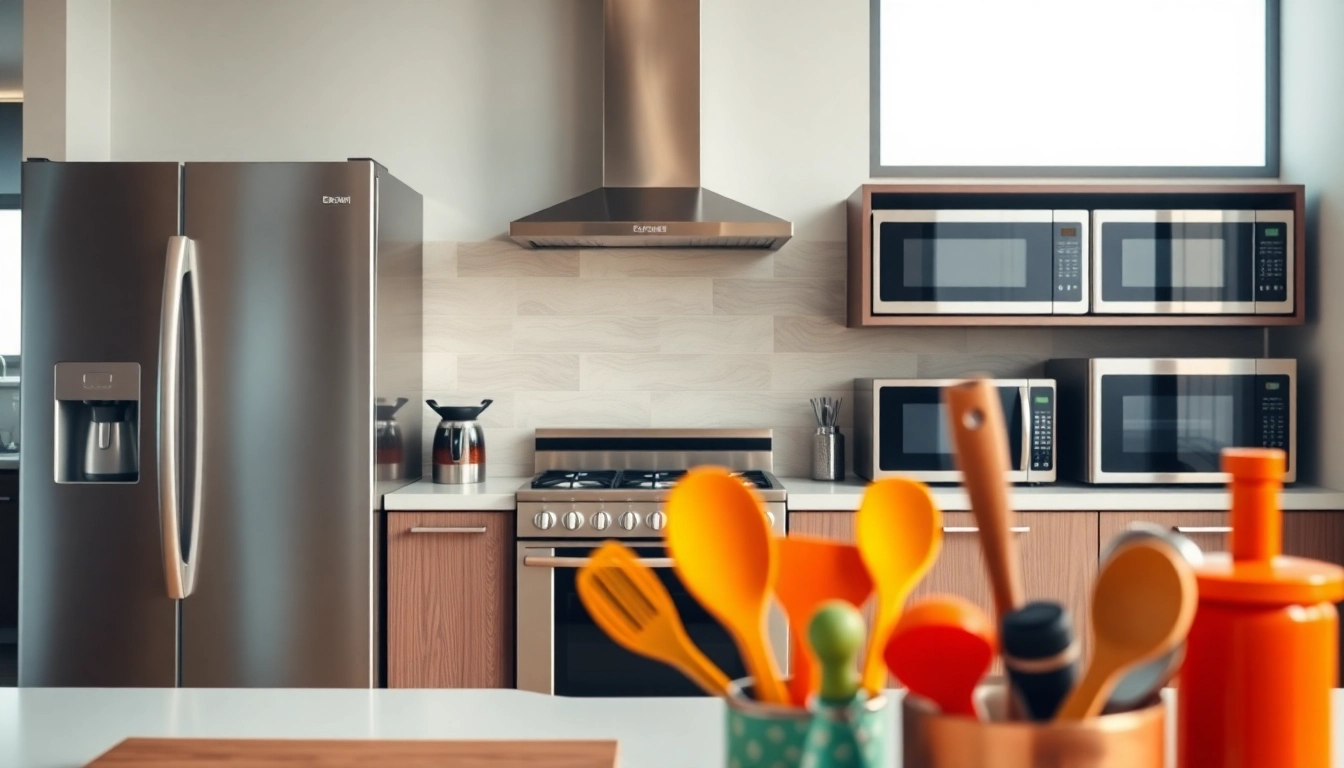
Home appliances are devices designed to perform specific household tasks. Ranging from cooking and food preservation to cleaning and personal care, these appliances simplify day-to-day chores, making life more convenient. Examples include major appliances like refrigerators, ovens, and washing machines, as well as smaller ones such as toasters, coffee makers, and vacuum cleaners. With the right home appliances, individuals can enhance efficiency and enjoy more leisure time.
The Importance of Home Appliances in Daily Life
Home appliances play a crucial role in the modern household. They significantly increase the efficiency of household tasks, reduce manual labor, and contribute to greater comfort in daily living. For instance, a dishwasher saves hours of washing dishes by hand, while a washing machine allows you to attend to other tasks while your laundry is being done. Moreover, energy-efficient appliances bring the added benefit of lowering electricity bills, thereby impacting household finances positively.
Types of Home Appliances Available
Home appliances can be broadly categorized into two types: major and minor appliances. Major appliances, also known as white goods, include large kitchen and laundry items such as refrigerators, washing machines, and stoves. Minor appliances, or small kitchen appliances, cover devices like microwaves, blenders, and coffee makers. Additionally, there are specialized appliances such as air purifiers and dehumidifiers, which contribute to a healthier living environment.
Selecting the Right Home Appliances for Your Needs
Assessing Your Kitchen and Living Space
Before purchasing home appliances, it's essential to assess your kitchen and living space. Measure the dimensions available for each device and ensure that the appliances fit seamlessly without crowding the area. Consider the layout of your kitchen; an open floor plan may benefit from more aesthetically pleasing appliances to enhance the overall atmosphere. Furthermore, think about how often you entertain guests or cook; for prolific cooks, investing in high-quality kitchen appliances may be worthwhile.
Budgeting for Home Appliances
Budgeting effectively is a significant aspect of home appliance selection. Begin by establishing a clear budget that factors in both the cost of the appliances and potential installation fees. Remember to account for the long-term costs associated with energy consumption; sometimes, lower upfront costs can result in higher bills over time due to inefficiency. Research different brands and models to find appliances that meet your needs at a reasonable price, while still prioritizing quality and durability.
Energy Efficiency and Environmentally Friendly Options
Energy efficiency is paramount when selecting home appliances, not only for reducing utility bills but also for environmental sustainability. Look for appliances with ENERGY STAR ratings, which indicate compliance with energy efficiency guidelines. Opting for energy-efficient models can lead to substantial savings in the long run and may even qualify you for rebates or tax incentives. In addition to energy efficiency, consider appliances made from recycled materials or those designed to minimize waste.
Maintenance Tips for Home Appliances
Regular Cleaning and Upkeep
Regular cleaning and maintenance are critical for ensuring the longevity and efficiency of your home appliances. Schedule periodic checks for filters, coils, and drainage systems, and clean them according to the manufacturer's guidelines. For example, routinely clearing the lint trap in your dryer and the filters in your refrigerator can enhance performance and prevent breakdowns. Additionally, wipe down surfaces to prevent buildup that could lead to overheating or malfunctions.
Signs That Your Home Appliances Need Repairs
Recognizing the signs of appliance trouble can save you time and money. Common indicators that your home appliances might need repairs include unusual noises, poor performance, or inconsistent temperatures. For instance, if your refrigerator isn't maintaining a consistent cool temperature or your washing machine is vibrating excessively, it's time to investigate further. Addressing these issues promptly can prevent minor problems from escalating into costly repairs or premature appliance failure.
Maximizing Lifespan of Your Home Appliances
To maximize the lifespan of your home appliances, adhere to the manufacturer's instructions for usage and maintenance. This includes performing routine maintenance tasks, promptly addressing repairs, and avoiding overloading appliances. Also, consider investing in warranties or service plans as an added assurance for expensive appliances. By treating your devices well, you can extend their operational life and maintain their efficiency, thus providing you better value for your money.
Innovative Trends in Home Appliances
Smart Home Appliances: The Future of Convenience
Smart home appliances are revolutionizing the way we interact with our living spaces. These devices connect to the internet and can be controlled remotely via smartphones or voice-activated assistants. Features may include programmable settings, integration with home networks, and monitoring of energy usage, making them not only convenient but also efficient. For instance, smart refrigerators can manage inventory and suggest recipes based on available ingredients, while smart thermostats optimize heating and cooling based on your daily habits.
Sustainable and Eco-Friendly Innovations
Sustainability is a growing concern among consumers, prompting manufacturers to innovate eco-friendly home appliances. Many modern appliances now indicate environmentally responsible practices through their design and functionality. Energy-efficient models, those using environmentally sustainable materials, and appliances equipped with energy-saving technologies are becoming more widely available. Consumers can now choose appliances that align with their values and decrease their environmental impact.
Design Trends in Home Appliances
Home appliances are no longer just functional; they are also a design element that can enhance your home's aesthetics. Current design trends emphasize sleek, minimalist designs, neutral colors, and finishes that blend with various decor styles. Manufacturers are focusing on creating visually appealing appliances that offer both practicality and style, ensuring that they fit perfectly in modern living spaces. The rise in personalization options also means that homeowners can choose colors and designs that reflect their personal tastes.
FAQs About Home Appliances
What are the most essential home appliances for a kitchen?
Essential appliances include a refrigerator, stove, microwave, and dishwasher for efficient cooking and food storage.
How can I improve the energy efficiency of my home appliances?
Choose ENERGY STAR-rated appliances, maintain them regularly, and avoid overloading to enhance efficiency and cut costs.
What should I consider when purchasing home appliances?
Consider size, energy efficiency, warranties, user reviews, and compatibility with your home’s layout and power supply.
How often should I service my home appliances?
Schedule regular maintenance checks for major appliances every 6-12 months to ensure optimal performance and longevity.
Are there eco-friendly options available for home appliances?
Yes, many brands offer energy-efficient appliances made from sustainable materials with eco-friendly features to reduce waste.