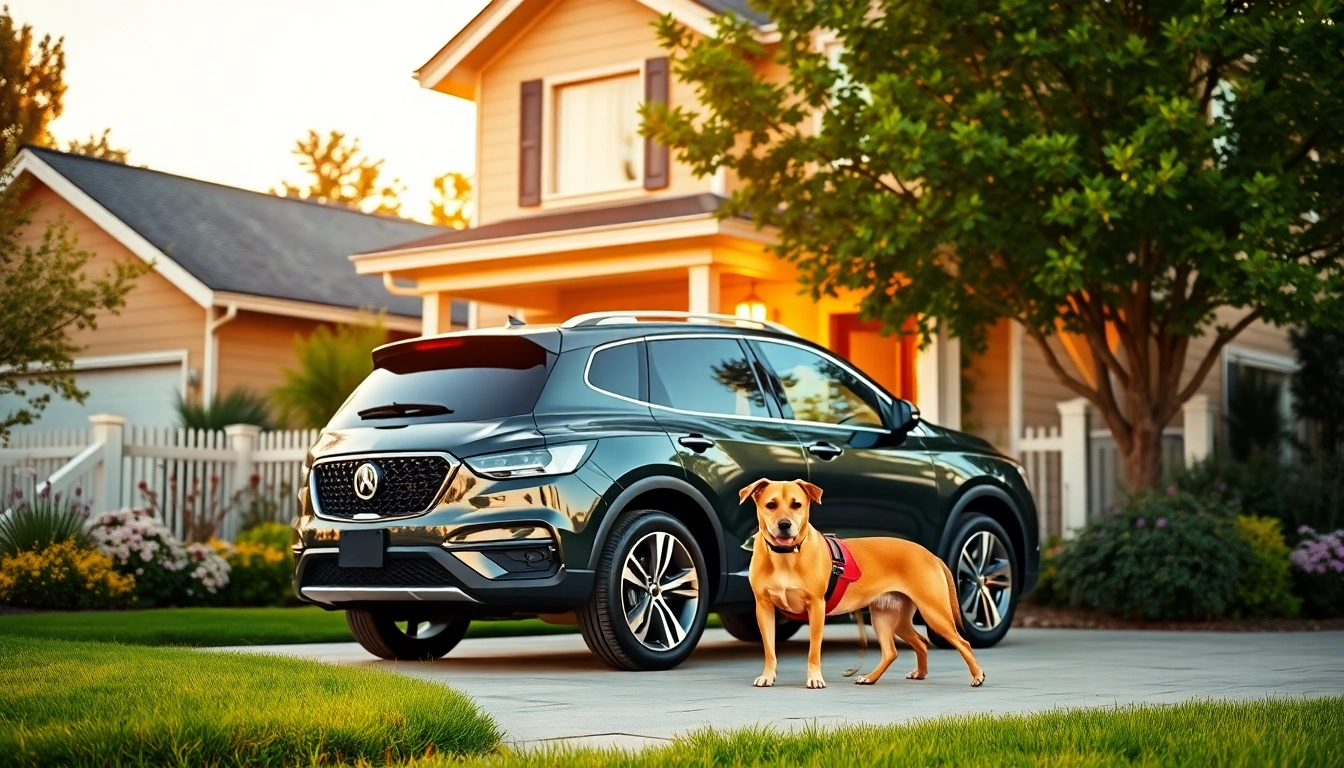
Understanding Warranty Protection for Cars and Homes
In today's world, warranty protection is an essential consideration for anyone looking to protect their significant investments, particularly in cars and homes. Understanding warranty protection for cars and homes helps consumers make informed decisions about financial security and peace of mind. This article will explore what warranties are, the types of coverage available, key benefits, how to choose the right plan, and address common misconceptions.
What is Warranty Protection?
Warranty protection is a guarantee provided by manufacturers or third-party companies that covers repairs or replacements for specific issues that may arise after the purchase of an item. For cars, this typically means coverage for mechanical failures, while home warranties cover various systems and appliances within a home. Each warranty has its own terms, conditions, and duration, primarily defined in the warranty contract.
Why Do You Need Warranty Protection?
Investing in warranty protection can provide substantial benefits. Since both cars and homes often require significant financial outlays for maintenance and repair, having a warranty can mitigate unexpected expenses. This financial safety net allows owners to budget effectively without fearing the costs associated with repairs or replacements due to significant failures.
Types of Warranty Protection for Cars and Homes
Understanding the types of warranty protection available for both cars and homes is crucial for making informed decisions. In the realm of automotive and property ownership, the following warranty types are commonly encountered:
- New Car Warranty: Covers defects in materials or workmanship for a fixed period or mileage.
- Extended Car Warranty: An optional plan that extends protection beyond the manufacturer’s warranty.
- Powertrain Warranty: Covers the engine, transmission, and other essential components.
- Home Warranty: Provides coverage for home systems like plumbing, electrical, and major appliances.
- Structural Warranty: Covers defects related to the construction of a home for a specific period.
Key Benefits of Warranty Protection for Cars and Homes
Financial Security and Peace of Mind
One of the primary benefits of warranty protection is the financial security it offers. Knowing that you are covered for unexpected repairs allows car owners and homeowners to feel at ease and focused on enjoying their investments. For example, an unexpected mechanical failure of a car could cost thousands of dollars, while a home warranty can cover the cost of major system failures without putting additional strain on the homeowner’s budget.
Increased Resale Value
Warranty protection can enhance the resale value of both cars and homes. Many potential buyers are attracted to properties or vehicles that still have valid warranties, as they provide assurance against future repair costs. This peace of mind can be a determining factor in final sale negotiations and can lead to a higher selling price.
Comprehensive Coverage Options
Warranty protection offers a variety of coverage options tailored to the specific needs of consumers. This customization means that car owners and homeowners can select plans that fit their lifestyles, whether they frequently use their vehicle or have multiple aging appliances. Some plans even allow consumers to modify or add coverage for additional appliances and systems in homes or additional services like roadside assistance for cars.
How to Choose the Right Warranty Protection for Cars and Homes
Evaluating Coverage Plans
When considering warranty protection, it’s essential to carefully evaluate the coverage plans available. Look for details regarding what is covered, exclusions, and any limits on payouts. For example, mechanical failures may be covered for cars, but wear-and-tear components may not be. Similarly, home warranties might cover plumbing but exclude roof repairs. Understanding these details ensures you select a plan that meets your needs.
Comparing Warranty Providers
Different warranty providers will offer various terms of service, conditions, and pricing. Researching, comparing customer reviews, and consulting independent sources can provide valuable insights into a provider’s reliability and claims processes. Selecting a reputable company is crucial, as it affects the efficacy of the warranty when it is needed most.
Reading the Fine Print
Warranties often come with fine print that consumers may overlook. Terms such as exclusions, limitations, and claim processes are typically detailed here. Not all repairs may be covered, and some providers may require the consumer to adhere to strict maintenance schedules to keep the warranty valid. Taking the time to understand these stipulations can prevent future disputes and dissatisfaction.
Common Myths About Warranty Protection for Cars and Homes
"Warranties are Not Worth the Cost"
This belief greatly underestimates the value of warranty protection. While there is an upfront cost, it is often outweighed by the potential savings associated with significant repairs or replacements, particularly for expensive systems in homes or major car components.
"All Warranties are the Same"
In reality, warranties vary significantly in coverage options, terms, and providers. Consumers should not make the mistake of assuming that one plan fits all or that they offer the same level of protection. Researching options is key to finding the appropriate warranty tailored to specific needs.
"You Don't Need A Warranty on New Purchases"
Many assume that warranties aren't necessary when purchasing new items since they come with manufacturer warranties. However, these warranties often have limitations and may not cover accidental damage or wear-and-tear. Additional protections can ensure full peace of mind.
Frequently Asked Questions About Warranty Protection for Cars and Homes
What does warranty protection for cars and homes cover?
Warranty protection typically covers major repairs and replacements, such as mechanical failures in cars or systems like plumbing and electrical in homes, depending on the terms of the policy.
How long does warranty protection last?
Warranty durations vary widely, with some lasting just a year and others providing coverage for several years, often ranging from 3 to 10 years for extended warranties.
Can I transfer my warranty protection to another owner?
Many warranties allow for transfer to new owners, which can enhance resale value and make the property or vehicle more attractive to potential buyers.
Are there exclusions in warranty protection plans?
Yes, warranty plans often have exclusions, such as normal wear and tear, improper maintenance, or certain specific parts, which are critical to understand before purchasing.
How do I file a claim for warranty protection?
Filing a claim involves contacting the warranty provider, providing details of the issue, and ensuring the repair is performed by an authorized service provider specified in the warranty terms.