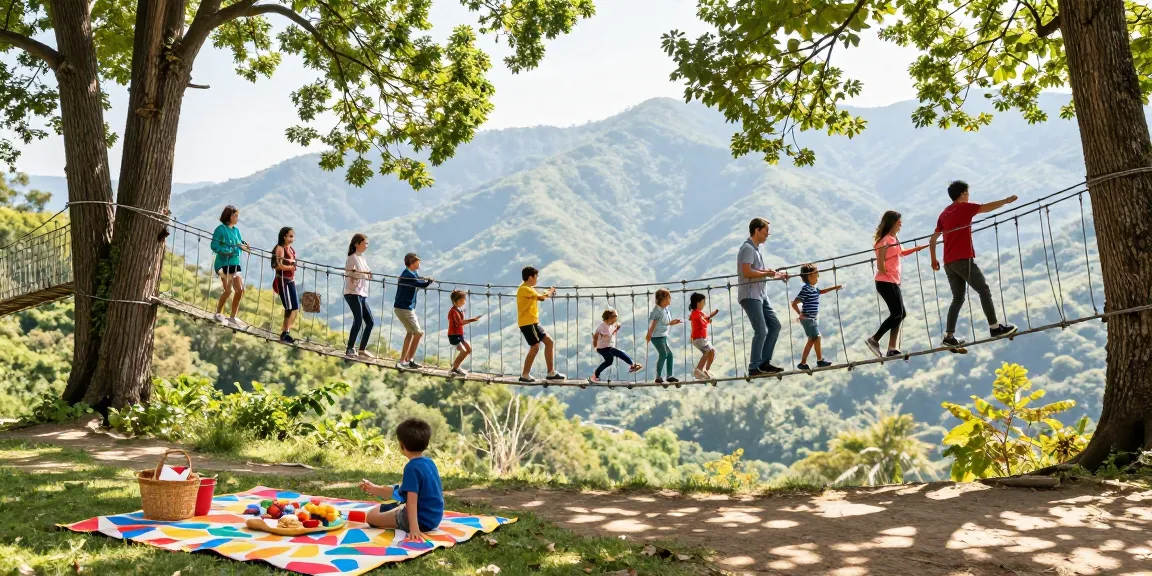
Introduction to Rope Bridge Design
Rope bridges have captured the imagination of builders and adventurers alike for centuries. They blend functionality with aesthetic charm, offering unique pathways across challenging terrains like rivers, valleys, and even within forested areas. As we enter 2026, the design of rope bridges continues to evolve, integrating modern techniques and sustainable materials. Whether for recreational purposes, adventurous treehouses, or practical transportation solutions, understanding the intricacies of Rope Bridge design is crucial for anyone interested in this fascinating architectural element.
Understanding the Basics of Rope Bridge Design
Rope bridges operate on fundamental engineering principles that involve tension and load distribution. The basic design consists of two main elements: the cables that hold the bridge and the structure they connect. The materials and methods of construction can vary significantly, influencing the bridge's performance and longevity.
To effectively construct a rope bridge, one must grasp the concepts of tensile strength and stability. These bridges typically feature a deck that is suspended between two or more sturdy supports, usually trees, posts, or rock formations. This design efficiently distributes weight across the cables, allowing for safe crossings, even by groups of people.
Common Materials Used in Rope Bridges
Materials play a critical role in determining the bridge's durability and overall appearance. Commonly used materials include:
- High-tensile synthetic ropes: These provide excellent strength-to-weight ratios, crucial for ensuring safety while minimising the weight of the bridge.
- Natural fibre ropes: While traditionally used, these can be less durable in adverse weather conditions.
- Metal cables: Galvanised steel cables are often employed for their resilience and longevity, particularly in permanent installations.
- Decking materials: Wood, composite materials, or even metal grates can be used to create a stable walking surface.
Benefits of Incorporating Rope Bridges in Outdoor Spaces
Incorporating rope bridges in outdoor areas offers numerous advantages, including:
- Aesthetic appeal: Their unique designs can enhance the natural beauty of the surroundings.
- Connectivity: Rope bridges can effectively link different areas of a park, garden, or hiking trail without the need for extensive construction.
- Adventure and play: They provide exciting, adventurous paths for children and adults alike, encouraging exploration of nature.
- Environmental impact: With lighter construction, rope bridges can minimise disruption to local ecosystems compared to traditional bridge designs.
Types of Rope Bridges
Suspended Rope Bridges: Features and Functions
Suspended rope bridges are perhaps the most iconic style, characterised by their ability to sway gently with movement. These bridges utilise cables anchored at both ends, allowing them to flex slightly, which can be beneficial in windy conditions.
Key features of suspended rope bridges include:
- Flexibility: The design allows for movement without compromising stability, accommodating varying weights.
- Customizability: They can be designed in various lengths and heights, making them suitable for diverse environments.
- Minimal ground footprint: Often requiring less extensive foundations than traditional bridges, reducing environmental impact.
Fixed-Beam vs. Rope Bridges: Which is Best?
When comparing fixed-beam bridges to rope bridges, several factors come into play:
- Cost: Rope bridges are typically less expensive to construct due to lower material and labour needs.
- Maintenance: Fixed-beam bridges may require more frequent inspections and repairs, particularly in areas prone to flooding or erosion.
- Aesthetics: Rope bridges offer a more rustic charm, appealing to those looking for a natural look.
- Construction Time: Rope bridges can often be erected more quickly, making them ideal for temporary installations.
Innovative Designs and Adaptations for Modern Use
As innovation in engineering continues, new adaptations of rope bridge designs are emerging. These include:
- Smart bridges: Incorporating sensors to monitor structural integrity, ensuring safety over time.
- Hybrid designs: Combining rope elements with traditional materials for enhanced durability and aesthetics.
- Eco-friendly materials: Using recycled or sustainably sourced materials to reduce environmental impact.
Designing a Rope Bridge: Step-by-Step Guide
Essential Planning and Safety Considerations
The design and construction of a rope bridge require meticulous planning. Key considerations include:
- Location analysis: Assessing the terrain and environmental impact is essential before construction.
- Weight capacity: Determining how many people or what weight the bridge must support ensures safety and functionality.
- Permitting and regulations: Checking local laws regarding bridge construction is crucial to avoid legal issues.
Tools and Equipment Required for Construction
A successful rope bridge construction project demands specific tools and equipment:
- Measuring tools: Accurate measuring tapes and levels are necessary for precise construction.
- Cable cutters: Essential for cutting ropes and cables to the required lengths.
- Drills and anchors: Required for securing cables to posts or trees.
- Safety gear: Helmets, harnesses, and gloves ensure worker safety during the installation process.
Installation Techniques for Optimal Stability
The following techniques contribute to constructing a stable and sturdy rope bridge:
- Tensioning cables: Proper tension is crucial to prevent sagging and ensure safety.
- Using support beams: In certain designs, adding beams can provide additional support, especially for longer spans.
- Regular inspections: Implementing a schedule for inspections post-construction helps identify areas needing maintenance.
Cost Factors in Rope Bridge Construction
Budgeting for Materials and Labour Costs
Understanding the financial aspects of building a rope bridge is critical. Key cost factors include:
- Material costs: The choice of rope, cables, and decking significantly impacts the budget.
- Labour costs: Hiring skilled workers can influence overall expenses, particularly for complex installations.
- Permitting fees: Costs associated with acquiring necessary permits can add up.
Comparing DIY vs. Professional Installation Costs
While DIY projects may appear more cost-effective, hiring professionals can often save money in the long run due to their expertise. Consider the following:
- Time investment: DIY projects can take longer, especially if you're inexperienced.
- Quality assurance: Professionals bring a level of assurance regarding safety and structural integrity that may be lacking in amateur builds.
- Tools and equipment: Professionals usually have access to higher-quality tools, which can affect the final product's durability.
Long-term Maintenance and Upkeep Expenses
Once constructed, ongoing maintenance is essential for the longevity of a rope bridge. Consider these factors:
- Weather impacts: Exposure to elements can degrade materials over time, necessitating repairs.
- Regular inspections: Budget for periodic assessments to ensure safety and structural integrity.
- Repair costs: Having funds available for unexpected repairs can save considerable headaches later on.
Future Trends in Rope Bridge Design
Emerging Materials and Sustainable Practices
As environmental awareness grows, sustainable practices are becoming more prevalent in rope bridge design and construction:
- Biodegradable materials: Researchers are exploring ropes made from plant-based materials that degrade over time, reducing environmental impact.
- Recycled materials: Using recycled plastics and metals can lower costs and energy consumption in producing new materials.
Technological Innovations Enhancing Rope Bridge Designs
Technology is playing a pivotal role in the evolution of rope bridges, with innovations such as:
- Structural health monitoring: Smart sensors can monitor stress and strain in real-time, alerting managers to potential issues.
- Improved design software: Advanced modelling software allows for more efficient and effective design planning, ensuring optimal safety and performance.
Predictions for Rope Bridge Trends in 2026 and Beyond
Looking ahead, we can anticipate several trends in rope bridge design:
- Increased popularity of modular designs: These allow for faster assembly and flexibility in various locations.
- Integration with smart technologies: Incorporating IoT devices for enhanced user experiences and safety measures.
- Focus on community-driven projects: Encouraging local involvement in design and construction to foster ownership and pride in public spaces.
What are the different types of rope bridges?
Rope bridges can be classified into several types based on their design and functionality:
- Suspended bridges: As previously discussed, these are the most common, utilising tensioned cables.
- Fixed-beam bridges: Combining structural integrity with a rope bridge's aesthetic, these bridges are anchored permanently.
- Hanging rope bridges: These feature supports that hang from above, often suspended from two or more points.
How much does a rope bridge cost?
The cost of constructing a rope bridge can vary widely based on several factors, including materials, location, and complexity. Simple rope bridges may start at a few hundred pounds, while more elaborate designs could reach several thousand pounds. It's essential to evaluate your specific needs and budget before embarking on such a project.
How do I build a rope bridge?
Building a rope bridge involves several steps, including planning, gathering materials, and following construction guidelines to ensure safety and durability. For a successful build, follow this structured approach:
- Conduct a thorough site survey to select a suitable location.
- Gather the necessary tools and materials based on your design.
- Create a detailed plan outlining each phase of the construction process.
- Adhere to safety protocols throughout the build, ensuring the structure meets all local regulations.