
Understanding Sports Broadcasting Basics
Defining Sports Broadcasting
Sports broadcasting is the art of transmitting live sports events via various media platforms, such as television, radio, and online streaming services. This dynamic sector has changed how fans consume sports content, offering real-time updates and extensive coverage that enhances viewer engagement. As audiences increasingly shift towards digital platforms, Sports Broadcasting has evolved to incorporate advanced technology and interactive features, making it an essential segment of the entertainment industry.
Key Components of Sports Broadcasting
At its core, sports broadcasting hinges on several key components that work synergistically to deliver compelling content. These include:
- Live Coverage: This is the cornerstone of sports broadcasting, where events are transmitted in real time, allowing fans to experience the action as it unfolds.
- Commentary and Analysis: Professional commentators provide play-by-play updates and insightful analysis during broadcasts, enriching the audience's understanding of the game.
- Visual Presentation: High-quality graphics, instant replays, and statistics play crucial roles in enhancing viewer engagement and comprehension.
- Audience Interaction: Engaging viewers through social media and live polls creates a two-way communication channel, fostering a sense of community among fans.
Types of Sports Broadcasting
Sports broadcasting can be categorized into various formats, each providing unique experiences for viewers:
- Television Broadcasting: The traditional and still popular method, offering extensive coverage of sporting events with a range of hosting options.
- Radio Broadcasting: Provides real-time commentary and updates, ideal for audiences on the go.
- Streaming Services: The rise of digital platforms like YouTube, Twitch, and various dedicated sports streaming services allows fans to watch events on their own terms, often with enhanced interactive features.
- Highlight Shows: These offer a recap of significant events and analysis, particularly useful for those who missed live broadcasts.
Equipment Essentials for Effective Sports Broadcasting
Microphones and Audio Gear
The quality of audio transmission is vital for effective sports broadcasting. A range of microphones, including shotgun mics and lapel mics, are essential for capturing clear sound from commentators and on-field action. Additionally, audio mixers play a crucial role in balancing sound levels from multiple sources, ensuring a seamless auditory experience for viewers.
Video Cameras and Control Rooms
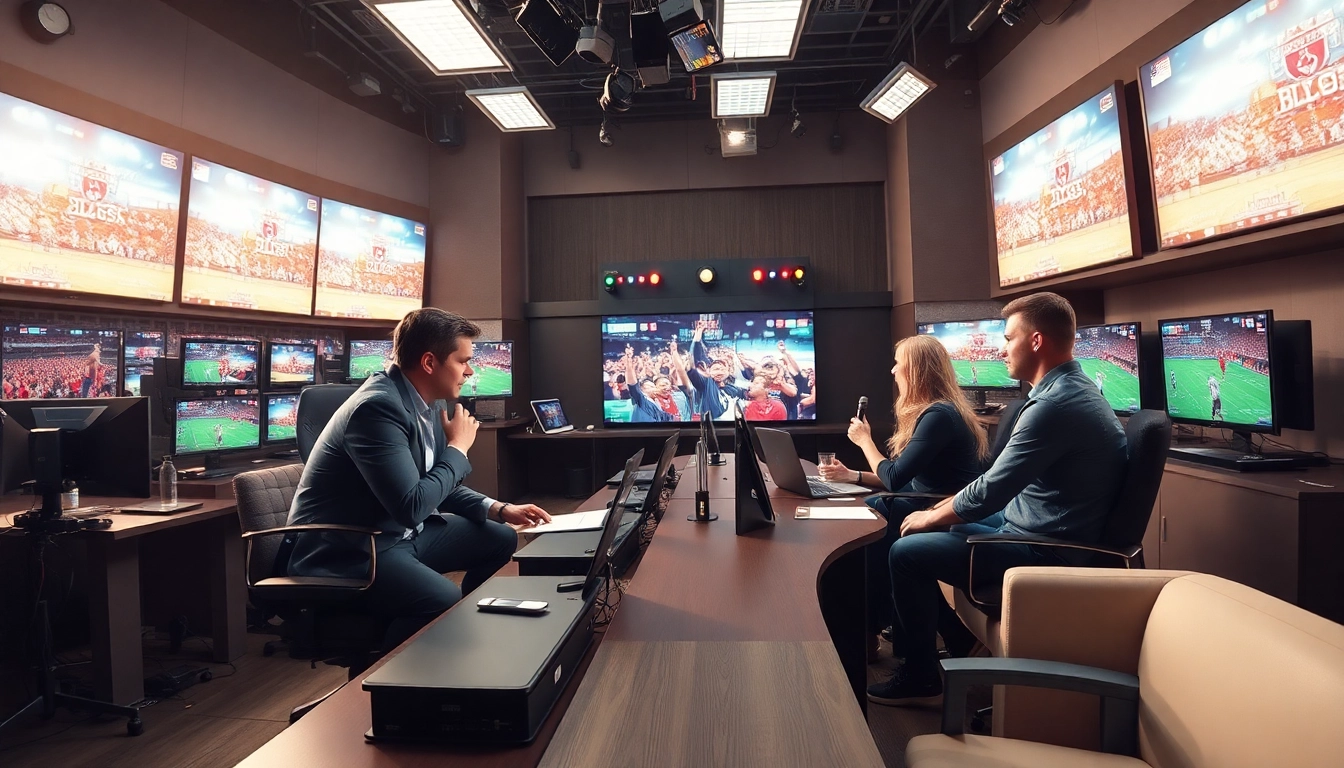
High-definition video cameras are the backbone of any sports broadcast, capturing stunning visuals that keep audiences engrossed. A well-equipped control room with switchers and video servers is essential for managing multiple camera feeds, allowing for effective switching between angles and instant replays. These elements combine to provide a dynamic and immersive viewing experience.
Streaming Technology and Platforms
As the demand for digital content grows, understanding streaming technology becomes crucial. Utilizing robust platforms that deliver high-quality streams with minimal latency ensures that fans do not miss a moment of the action. Knowledge of adaptive bitrate streaming helps maintain video quality across various internet speeds, ensuring a smoother experience for all viewers.
Strategies for Engaging Broadcasting Content
Storytelling in Sports Broadcasting
One of the most powerful tools in sports broadcasting is storytelling. Effective narratives can bring a match to life, weaving in the history of teams, personal stories of athletes, and pivotal game moments. By constructing compelling story arcs, broadcasters can deepen viewer investment and emotional connection to events.
Interactive Features and Viewer Engagement
Integrating interactive features such as live polls, Q&A segments, and viewer comments enhances engagement. Allowing the audience to participate actively in broadcasts creates a more engaging atmosphere. Techniques such as augmented reality and interactive graphics can provide additional layers of information, making the viewing experience more enriching.
Utilizing Social Media for Expanded Reach
Social media platforms serve as vital tools for amplifying broadcast reach. Engaging fans through Twitter, Instagram, and TikTok can generate buzz around broadcasts, directing traffic to live streams and attracting a younger audience. Creatively integrating social media content within broadcasts can turn passive viewers into active participants.
Best Practices: Challenges and Solutions in Sports Broadcasting
Handling Live Errors and Unexpected Events
Live sports broadcasting is fraught with uncertainties, from technical glitches to unexpected event delays. Having contingency plans in place is vital. This includes backup equipment ready to go and trained personnel who can handle on-the-fly adjustments, ensuring that the broadcast remains seamless and professional, no matter the challenges that arise.
Securing Broadcast Rights and Regulations
Obtaining proper broadcasting rights is critical to avoid legal ramifications. Understanding the specific regulations and licensing agreements involved is essential for compliance. Broadcasters should develop strong relationships with sports leagues and organizations to facilitate smoother negotiation processes for broadcast rights.
Maintaining Audience Engagement and Retention
With viewers having countless entertainment options, retaining audience engagement is a challenge. Developing a clear brand identity and consistently delivering high-quality content can create loyal viewer bases. Regularly soliciting feedback and optimizing content based on audience preferences can also help refine programming to keep audiences returning.
Measuring Success in Sports Broadcasting
Key Performance Indicators (KPIs)
Establishing measurable KPIs is crucial for assessing the success of sports broadcasts. Metrics such as viewer ratings, average watch time, and engagement rates help identify what resonates with audiences. Utilizing analytics tools provides data to make informed strategic decisions for future broadcasts.
Analyzing Audience Feedback
Understanding audience feedback through surveys, social media interactions, and viewer comments can offer valuable insights into what is working and what needs to change. Actively incorporating viewer suggestions demonstrates that the broadcaster values its audience and is committed to continuous improvement.
Future Trends in Sports Broadcasting
As technology evolves, so too will sports broadcasting. Trends including virtual reality experiences, artificial intelligence integration for personalized content delivery, and enhanced interactivity through 5G technology will shape the landscape of sports viewing in the coming years. Staying ahead of these trends will be crucial for broadcasters wishing to remain competitive and engaging.
FAQs
What is Sports Broadcasting?
Sports broadcasting refers to the live transmission of sports events over various media platforms, including TV, radio, and online streaming.
What equipment is essential for Sports Broadcasting?
Key equipment includes high-quality cameras, microphones, mixers, and broadcasting software for a seamless viewing experience.
How do I engage viewers in Sports Broadcasting?
Utilize storytelling, audience interaction, and social media to maximize engagement during sports broadcasts.
What challenges arise in Sports Broadcasting?
Common challenges include dealing with technical glitches, compliance with broadcasting rights, and maintaining viewer interest.
How can I measure the success of my Sports Broadcasting?
Success can be measured through audience ratings, viewer feedback, and engagement metrics related to your broadcasts.