Understanding Beyin Tümörü Ameliyatı
Beyin tümörü ameliyatı, beynin içindeki tümörlerin tedavisinde kullanılan en etkili yöntemlerden biridir. Bu yöntem, hem iyi huylu hem de kötü huylu tümörlerin çıkarılması için uygulanır ve hastaların hayatta kalma şansını artırır. Beyin tümörü ameliyatı süreci, hastanın durumuna göre büyük bir titizlikle planlanır. Gelişen teknoloji sayesinde, günümüzde yapılan cerrahiler daha güvenli hale gelmiştir. beyin tümörü ameliyatı ile ilgili doğru bilgiler edinmek, hastaların iyileşme sürecinde önemli bir rol oynar.
What is a Brain Tumor Surgery?
Brain tumor surgery is a crucial intervention aimed at removing tumors from the brain. This surgical procedure can be classified into several categories depending on the type of tumor, its location, and the overall health of the patient. The objective is to excise the tumor while preserving as much normal brain tissue as possible, thus minimizing potential neurological damage. Various techniques, such as traditional craniotomy and advanced microsurgical methods, are employed to carry out the operation effectively.
Types of Brain Tumors: Meningiomas and Gliomas
There are multiple types of brain tumors, but two of the most commonly encountered are meningiomas and gliomas. Meningiomas originate from the meninges, the protective layers covering the brain and spinal cord, and are generally considered benign. They tend to grow slowly and can sometimes be monitored without immediate surgery. In contrast, gliomas arise from glial cells in the brain and can range from low-grade (benign) to high-grade (malignant). Glioblastoma multiforme (GBM), a type of glioma, is known for its aggressive behavior and poor prognosis.
Preparation for Beyin Tümörü Ameliyatı
Pre-Surgical Assessments and Imaging Techniques
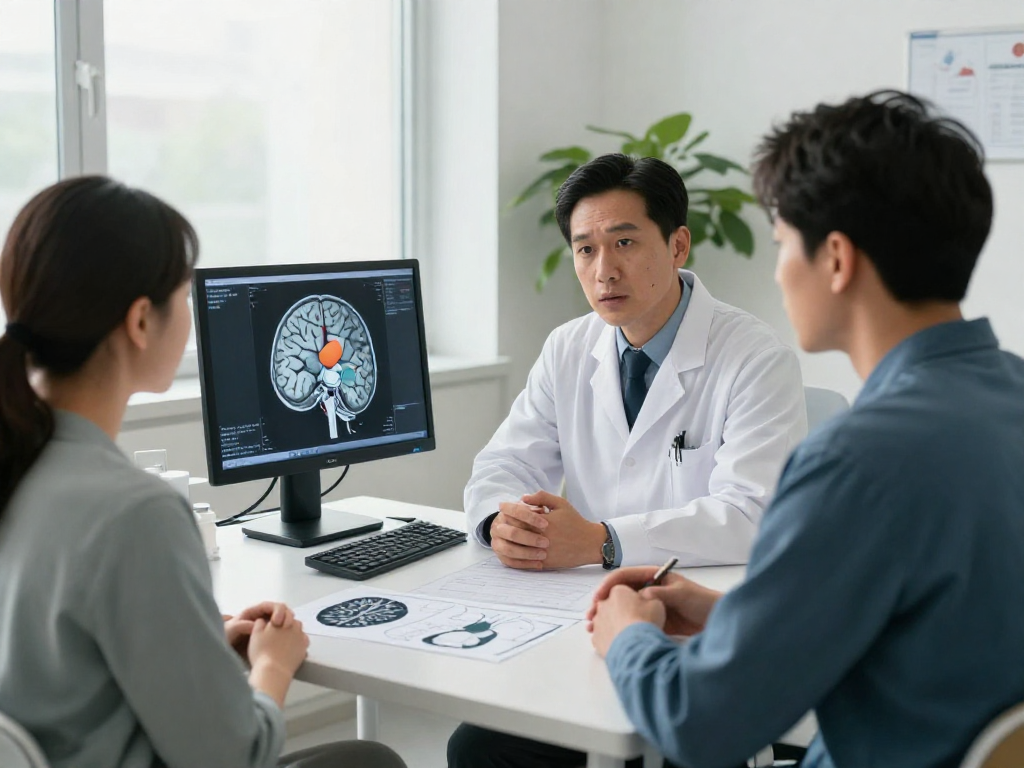
Thorough pre-surgical assessments are vital to ensure a successful outcome for brain tumor surgery. Patients typically undergo a series of imaging tests, like MRI or CT scans, to evaluate the tumor's size, location, and relationship with surrounding brain structures. These imaging techniques provide critical information that guides the surgical approach.
Patient Education and Consent Process
Patient education is essential throughout the surgical process. Patients should be fully informed about the procedure, potential risks, and expected outcomes. Consent forms will outline the details of the operation, ensuring that patients understand what to expect. Engaging patients in this process is crucial for their peace of mind and cooperation.
Setting Expectations: What to Anticipate
Patients should have realistic expectations regarding recovery and outcomes following brain tumor surgery. Anticipating some discomfort and potential complications can help mitigate anxiety. Preparation might also involve discussing postoperative care plans and follow-up appointments to monitor recovery.
Post-Surgery Recovery and Care
Immediate Recovery in the Hospital
After surgery, patients are typically monitored in the hospital for a few days. Initial recovery focuses on managing pain and preventing complications. Patients may experience fatigue and some cognitive changes, which is normal. Medical staff will keep a close eye on neurological functions and overall well-being to ensure a smooth recovery.
Long-Term Recovery and Follow-Up
Long-term recovery involves regular follow-up appointments for imaging studies to detect any recurrence of the tumor. Rehabilitation might be necessary, depending on the extent of the surgery and any neurological deficits experienced. Patients are encouraged to engage in physical and cognitive therapy to regain their functional abilities.
Recognizing Complications and Warning Signs
Post-surgery, patients must be aware of warning signs that could indicate complications, such as severe headaches, vision changes, or signs of infection. Early recognition and prompt medical attention can prevent more serious consequences.
Risks and Benefits of Beyin Tümörü Ameliyatı
Common Risks Associated with Brain Surgery
Like any surgical procedure, brain tumor surgery carries certain risks. These may include infection, bleeding, and adverse reactions to anesthesia. Neurological risks could also manifest as speech difficulties, memory loss, or motor function impairment, depending on the tumor's location and the procedure's complexity.
Potential Benefits and Success Rates
The benefits of successful brain tumor surgery can be significant, ranging from improved neurological function to decreased tumor size or complete removal. Success rates depend on various factors, including the tumor type and grade, and the patient's overall health. Advances in surgical techniques and technology have greatly improved outcomes over the years.
Making Informed Choices about Treatment
Patients should collaborate closely with their healthcare team to make informed treatment choices. This includes understanding the options for surgical and non-surgical interventions, as well as considering clinical trials for cutting-edge therapies that may be available.
Future Directions in Brain Tumor Surgery
Innovative Surgical Techniques and Technologies in 2026
Looking ahead to 2026, the landscape of brain tumor surgery is poised for significant advancements. Techniques such as robotic-assisted surgery and augmented reality could enhance precision during operations. Moreover, developments in imaging technologies will help in better tumor visualization, aiding surgeons in making more informed decisions.
Multidisciplinary Approaches to Patient Care
Future patient care models will likely emphasize multidisciplinary approaches, integrating neuro-oncologists, neurosurgeons, radiologists, and rehabilitation specialists. This collaborative approach aims to provide comprehensive care tailored to each individual’s needs and circumstances.
Emerging Research and Trends in Neurosurgery
Ongoing research is vital for the evolution of neurosurgery. Novel therapeutic agents, immunotherapies, and personalized medicine approaches hold promise for improving patient outcomes, particularly for aggressive tumor types. Staying updated on these trends is crucial for healthcare professionals involved in brain tumor treatment.
What is the recovery time after beyin tümörü ameliyatı?
The recovery time after brain tumor surgery can vary depending on multiple factors, including the type and location of the tumor, the surgical technique used, and the patient’s general health. Patients often spend several days to weeks in recovery, followed by a structured rehabilitation program.
What should patients expect on the day of their beyin tümörü ameliyatı?
On the day of surgery, patients can expect to undergo thorough pre-operative assessments. For more information, beyin tümörü ameliyatı offers valuable insights. They will be provided with anesthesia and will likely have their vital signs monitored closely throughout the procedure. Understanding the process can help ease anxiety.
Are there non-surgical options available for brain tumors?
Yes, non-surgical options such as radiation therapy, chemotherapy, and targeted therapies are available and may be appropriate depending on the tumor type, size, and location. Discussing these options with a healthcare provider can help determine the best course of action.
What are the signs of complications after surgery?
Complications after brain surgery may include fever, severe headaches, persistent nausea, or changes in consciousness. It's vital for patients and caregivers to monitor for these symptoms and contact medical professionals if they occur.
How do beyin tümörü ameliyatı costs vary across different healthcare settings?
The costs associated with brain tumor surgery can vary significantly based on the healthcare facility, the complexity of the case, and the type of insurance coverage. It’s advisable for patients to inquire about costs and financing options beforehand.