What are Kitchen Loofah Benefits?
Kitchens are often the heart of homes, where culinary adventures take place and messes are created. In this essential space, the tools we choose to use not only impact the efficiency of our cooking but also play a significant role in maintaining a healthy environment. One such tool that has garnered attention for its benefits is the kitchen loofah. By opting for a kitchen loofah, you can enjoy various advantages that promote both hygiene and sustainability, enhancing your cooking experience. Let’s explore the kitchen loofah benefits in depth.
Definition and Origin of Kitchen Loofahs
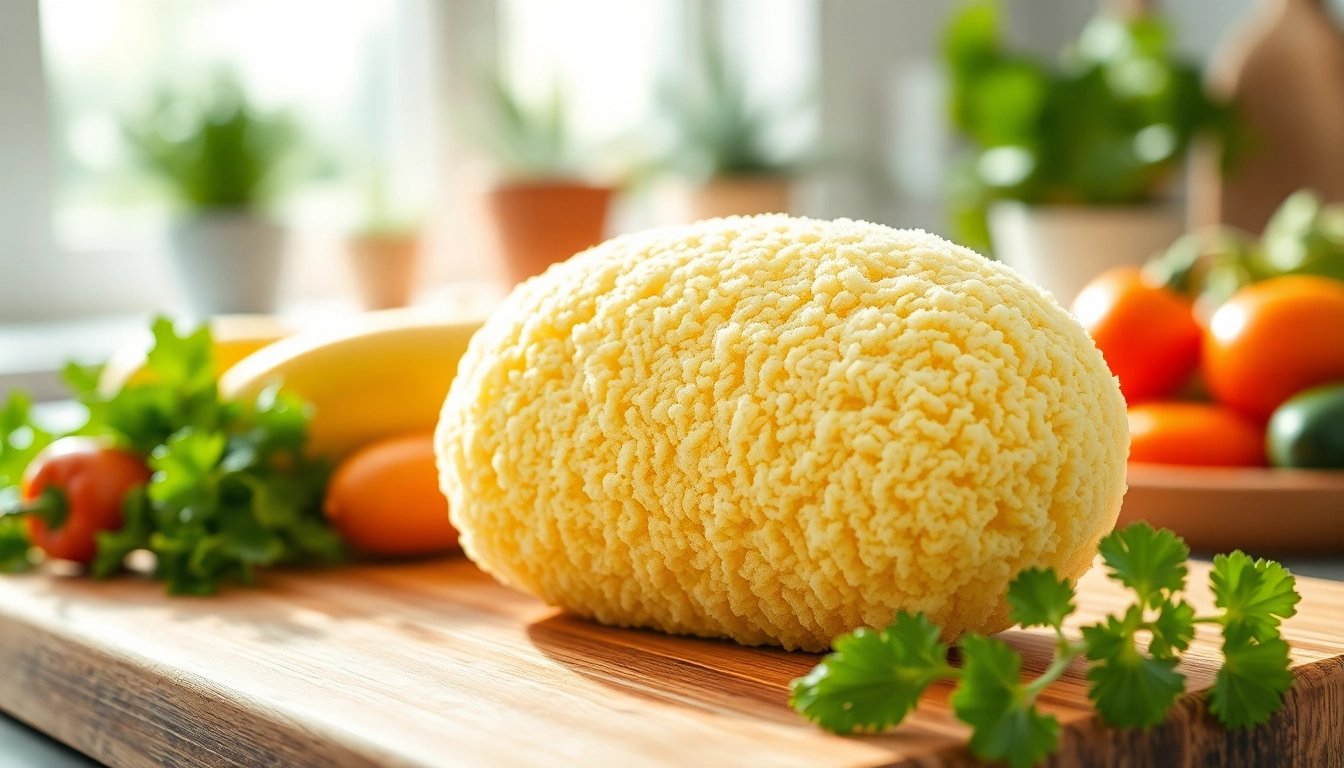
Loofahs, often misconceived as sponges, are actually derived from the dried fruit of the luffa plant, a member of the cucumber family. Originating in tropical climates, especially in Asia and Africa, loofahs have been used for centuries not only as a natural exfoliant in the bath but also as effective cleaning tools in the kitchen. The fibrous structure of loofahs makes them excellent for scrubbing pots, pans, and surfaces without scratching. Understanding their origin and natural properties helps appreciate why they are a valuable asset in the kitchen.
The Environmental Impact of Using Loofahs
In an era emphasizing sustainability, kitchen loofahs stand out due to their biodegradable nature. Unlike synthetic sponges that take years to decompose and release harmful chemicals into the environment, loofahs are completely compostable. This sustainable choice helps reduce waste and combat pollution, which is crucial in protecting our planet. Furthermore, by choosing loofahs over synthetic alternatives, consumers support agricultural practices that can benefit farmers and promote healthier ecosystems.
Health Benefits of Kitchen Loofah Usage
When it comes to health, kitchen loofahs offer several advantages that can enhance food safety and hygiene. Their natural fibers are perfect for scrubbing away residues and bacteria without leaving harmful chemicals behind. Interestingly, experts suggest that the fibrous composition of loofahs helps improve air circulation, allowing for faster drying. This characteristic reduces the risk of bacterial growth, making them safer than their synthetic counterparts, which often retain moisture.
How to Incorporate Kitchen Loofah Benefits into Daily Routines
Integrating kitchen loofah benefits into your daily routines can transform kitchen hygiene and cooking practices. With just a few adjustments, you can enhance the efficiency of your cleaning and cooking processes while prioritizing environmental responsibility.
Best Cooking Practices with Loofahs
Integrating loofahs into your cooking routine can be surprisingly effective. Use them to scrub vegetables such as potatoes and carrots, removing dirt while maintaining the integrity of the produce. Their natural scrubbing qualities help eliminate pesticide residues without damaging the skin of the fruit or vegetables. By incorporating loofahs into meal prep, you promote not only cleaner food but also a more enjoyable cooking experience.
Using Loofahs in Kitchen Cleaning
Kitchen cleaning can be more effective and eco-friendly with the addition of loofahs. These natural sponges offer an excellent alternative to synthetic sponges and cloths. Use a loofah to scrub countertops, stovetops, and kitchen utensils. Their coarse texture can tackle tough stains and grease without scratching delicate surfaces. Simply pair them with a non-toxic kitchen cleaner for an enhanced cleaning regimen.
Safe Preparation and Maintenance of Loofahs
To ensure longevity and safety when using kitchen loofahs, proper maintenance is crucial. After each use, rinse your loofah thoroughly to remove food particles and debris. Allow it to air dry completely in a well-ventilated area, as this helps minimize bacteria growth. For deeper cleaning, consider soaking your loofah in warm, soapy water or boiling it for a few minutes every couple of weeks. Maintaining your kitchen loofah properly not only extends its lifespan but also ensures safety in your food preparation.
Comparing Kitchen Loofah Benefits to Other Cleaning Tools
The rise of natural cleaning tools prompts a comparison between kitchen loofahs and traditional cleaning implements. Understanding the differences can aid consumers in making informed choices for their kitchens.
Loofahs vs. Synthetic Sponges
While synthetic sponges have been a staple in kitchens for years, they come with manufacturing processes harmful to the environment. In contrast, loofahs are grown and harvested sustainably. Moreover, they naturally decompose, leading to less waste in landfills. When comparing scrubbing efficacy, loofahs excel due to their unique texture, which enhances their cleaning ability.
Effectiveness in Cleaning and Scrubbing
Loofahs are exceptionally effective scrubbing tools. Their natural fibers can penetrate nooks and crannies, making them proficient at removing stubborn food residues and grime. They also provide a gentle touch, ideal for delicate surfaces such as non-stick cookware. In contrast, synthetic sponges can break down over time and may not offer the same scrubbing ability, especially when worn out.
Longevity and Sustainability Factors
In terms of longevity, kitchen loofahs can last several weeks with proper care, whereas synthetic sponges typically need frequent replacements due to wear and tear. This enhanced durability contributes to their sustainability, making kitchen loofahs not just a greener alternative but also a cost-effective one over time. Their biodegradability further solidifies their status as a sustainable cleaning choice.
Common Misconceptions about Kitchen Loofah Benefits
Despite their benefits, kitchen loofahs are often surrounded by misunderstandings. Clearing these misconceptions can help more people appreciate their value.
Are Loofahs Always Sanitary?
A common concern regarding loofahs is their cleanliness. While they can harbor bacteria like any sponge, proper maintenance significantly minimizes these risks. Regular cleaning and ensuring the loofah dries completely are critical steps in keeping them sanitary, making them just as safe as other cleaning tools when cared for correctly.
Can Loofahs Replace Other Cleaning Tools?
While kitchen loofahs are exceptionally versatile, they are not always a one-size-fits-all solution. Certain cleaning tasks may require specific tools designed for the job. However, for most general cleaning tasks and food prep, kitchen loofahs can effectively replace synthetic sponges, offering a sustainable, eco-friendly alternative.
Understanding the Lifespan of a Loofah
The lifespan of a kitchen loofah depends on usage and care. A well-maintained loofah can last from several weeks to a few months. Signs that it needs replacement include an unpleasant smell or visible deterioration. Keeping track of these factors ensures your cleaning tool remains effective and hygienic.
FAQs on Kitchen Loofah Benefits
What are the primary benefits of using kitchen loofahs?
Kitchen loofahs provide gentle scrubbing, are biodegradable, and offer a natural alternative to synthetic sponges, promoting healthier living.
How do I clean and maintain my kitchen loofah?
To maintain a kitchen loofah, rinse it thoroughly after each use, allow it to dry completely, and sanitize it periodically in hot water.
Can kitchen loofahs harbor bacteria?
Like any sponge, kitchen loofahs can harbor bacteria if not properly maintained. Regular cleaning and drying minimize this risk.
How long does a kitchen loofah typically last?
A kitchen loofah can last several weeks to a few months, depending on usage and care. Replace it when it looks worn or smells.
Are kitchen loofahs suitable for all surfaces?
Kitchen loofahs are generally safe for non-sensitive surfaces. Avoid using them on delicate items to protect from scratches.