Understanding Holiday Camps
What Are Holiday Camps?
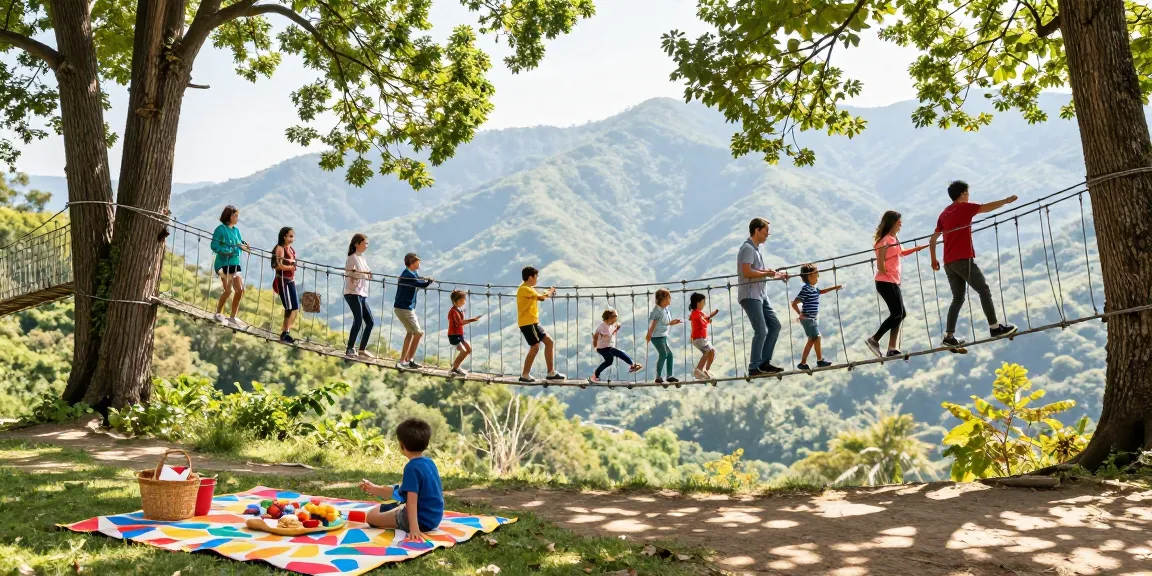
Holiday camps are specially designed programs that provide a range of activities and experiences for children during school breaks or holidays. These camps typically run for a week or longer and are tailored to various age groups, focusing on recreational, educational, and social development. From sports to arts and crafts, children engage in an enriching environment that promotes learning and fun. Holiday camps offer a unique opportunity for kids to explore new interests while developing important life skills.
Benefits of Attending Holiday Camps
Parents often wonder about the advantages of enrolling their children in holiday camps. The benefits can be significant and multifaceted:
- Social Skills Development: Camps provide an ideal setting for kids to make friends, work in teams, and learn to cooperate with peers. This social interaction fosters empathy and confidence.
- Skill Acquisition: Depending on their interests, children can explore various activities such as sports, arts, or sciences, gaining skills that could help them in academic and personal pursuits.
- Independence: Holiday camps empower children to step out of their comfort zones, manage tasks independently, and build self-reliance, which is essential for their growth.
- Physical Health: Many camps emphasize active play, encouraging kids to engage physically and enjoy time outdoors. This physical activity is crucial for their overall health and well-being.
- Structured Environment: Unlike free play, holiday camps offer structured schedules that balance fun with educational experiences, providing a sense of routine that can be beneficial for children.
Types of Holiday Camps Available
Understanding the types of holiday camps available can help parents choose the right program for their children. Here are some common categories:
- Day Camps: These camps allow kids to attend activities during the day and return home in the evening. They typically focus on various themes and activities.
- Overnight Camps: Catering to older children, these camps offer extended stays away from home where children can immerse themselves in different experiences.
- Specialty Camps: These focus on particular interests, such as sports, arts, or science. They provide in-depth instruction and engagement in specific areas.
- Adventure Camps: These camps focus on outdoor activities like hiking, rock climbing, or kayaking, combining thrilling experiences with teamwork and personal growth.
- Academic Camps: Aimed at enhancing skills in specific subjects, these camps offer educational workshops and projects in a fun, engaging way.
Choosing the Right Holiday Camps
Factors to Consider When Selecting Holiday Camps
Selecting the ideal holiday camp requires careful consideration of several factors to ensure that your child's needs will be met:
- Interests and Hobbies: Identify your child’s interests to select a camp that aligns with them, making the experience more engaging.
- Safety and Supervision: Research the camp’s safety standards, staff-to-child ratios, and emergency procedures to ensure a safe environment.
- Qualifications of Staff: Check the qualifications of the camp leaders and instructors, including their experience working with children.
- Location: The camp's proximity could affect transportation and accessibility, so consider whether a local or distant camp is best.
- Reviews and Recommendations: Read reviews from other parents and check for recommendations to gauge the camp's reputation.
Age Appropriateness and Activity Suitability
Ensure that the holiday camps are designed for your child's specific age group. Different camps cater to various developmental stages, offering activities suited to enhance cognitive and social skills appropriate for that age cohort. Engaging in age-appropriate activities aids in maximizing participation, learning opportunities, and enjoyment.
Cost and Budgeting for Holiday Camps
Understanding the financial implications of attending holiday camps is critical. Costs can vary dramatically depending on the type, duration, and activities provided. Potential expenses to consider may include:
- Registration fees.
- Additional costs for specialized activities or excursions.
- Transportation, if not provided by the camp.
- Meals or snacks, which may or may not be included.
- Required equipment or materials.
Creating a budget that outlines these costs can help you manage finances effectively while ensuring your child benefits from the chosen camp experience.
Planning Ahead for Holiday Camps
How to Prepare Your Child for Holiday Camps
Preparing your child for their holiday camp experience can ease anxiety and build excitement. Here are some effective strategies:
- Discuss the Camp Experience: Talk to your child about what to expect at the camp, including activities, new friends, and the daily schedule.
- Visit the Camp (if possible): If the camp has an open house or visitation day, take your child for a tour, which can enhance comfort and familiarity.
- Practice Independence: Encourage your child to engage in tasks like packing their own bag or choosing their clothes, promoting a sense of independence.
- Reinforce Positive Mindset: Helping your child express their feelings about attending camp, both excitement and nervousness, creates an open channel for communication.
What to Pack for Holiday Camps
Packing efficiently for camp ensures that your child has everything they need. Here’s a packing checklist:
- Comfortable clothing suitable for various activities.
- Swimsuit and towel, if swimming is part of the program.
- Sun protection items like hats and sunscreen.
- Personal hygiene items.
- Any specific gear or materials requested by the camp (e.g. arts and crafts supplies).
Involving your child in packing can also make them feel more in control and prepared for the experience ahead.
Communicating with Camp Organizers
Effective communication with camp organizers is key to ensuring a smooth experience. Reach out to them before camp starts to discuss:
- Your child's specific needs, including allergies or medical concerns.
- Daily schedules and activities planned.
- Drop-off and pick-up procedures.
- Emergency contact information and protocols.
Establishing a rapport with the camp staff can also enhance trust and provide you with additional peace of mind.
Maximizing the Holiday Camp Experience
Making Friends and Socializing at Holiday Camps
Encouraging your child to make the most of their social opportunities at camp is essential. Here’s how:
- Encourage Openness: Teach your child to introduce themselves and engage in conversations.
- Participate in Group Activities: Joining in group games or team sports can foster friendships.
- Set Playdates: After camp, arrange playdates with new friends to strengthen connections.
Building social skills during camp can have lasting benefits, influencing their social circle and boosting their self-esteem.
Ensuring Safety and Well-being at Holiday Camps
The safety of children is a top priority for any holiday camp. To ensure your child’s well-being:
- Talk to camp staff about their safety protocols and child supervision measures.
- Equip your child with emergency contact numbers, including your own.
- Discuss what to do if they feel uncomfortable or unsafe at camp.
- Ensure they are aware of camp rules and why they are important for their safety.
By engaging in proactive conversations, you can empower your child to navigate the camp experience safely and confidently.
Feedback and Communication Post-Camp
After the camp concludes, it’s essential to maintain an open dialogue with your child about their experience. Engage them in discussions about what they enjoyed, what they learned, and any challenges they faced. This reflection can provide valuable insights into their development and interests moving forward.
Frequently Asked Questions About Holiday Camps
What age groups are holiday camps suitable for?
Holiday camps cater to various age groups, typically starting as early as preschool age and extending to teenagers, with different programs tailored to the developmental levels of each group.
Are holiday camps safe for children?
Yes, reputable holiday camps prioritize safety with trained staff, emergency protocols, and arrangements in place to protect children's well-being during their activities.
How are holiday camps structured in terms of daily activities?
Holiday camps usually feature a structured daily schedule that includes a mix of activities such as outdoor play, arts and crafts, group games, and learning sessions, ensuring a balance of fun and education.
Can parents visit holiday camps?
Visitation policies vary by camp but often include open house events or designated visiting days for parents to meet staff and view facilities. Always check with the specific camp for their policy.
What types of meals are provided during holiday camps?
Camps may provide meals or snacks, but options vary. Some camps offer all meals while others may require children to bring their lunches. It's best to check the camp's meal policy beforehand.