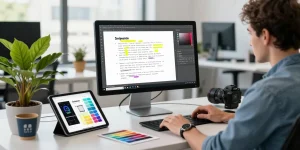
Detect Fake PDF Lessons Learned the Hard Way: Essential Insights for 2026

Understanding the Importance of Document Verification
In an increasingly digital world, ensuring the authenticity of documents is paramount. With the rise of sophisticated technology, the ability to detect fake pdf has never been more critical for individuals and businesses alike. The implications of document forgery can be severe, ranging from financial loss to reputational damage. As such, understanding why verification matters is the first step in safeguarding your interests.
Why You Should Detect Fake PDFs
PDFs are often used to share vital information, from contracts to invoices and academic credentials. Unfortunately, the ease of creating and manipulating these documents also makes them a target for fraud. Detecting fake PDFs is crucial for several reasons:
- Protecting Your Reputation: Businesses that fail to verify documents risk their credibility and trustworthiness.
- Legal Compliance: Many industries require stringent document verification to comply with regulations.
- Financial Security: Fraudulent documents can lead to significant financial losses, affecting cash flow and profits.
Common Types of PDF Fraud
Understanding the various types of fraud associated with PDFs can help you identify potential threats. Common types include:
- Forged Signatures: Manipulated PDFs that show unauthorized signatures can compromise contract integrity.
- Altered Data: Modification of essential information such as dates, amounts, or identities can mislead stakeholders.
- Counterfeit Documents: Complete fakes that mimic legitimate documents can be challenging to detect without proper tools.
Legal Implications of Using Fake Documents
Using or failing to detect fake PDFs can have serious legal repercussions. Industries such as finance, healthcare, and education face strict regulations that mandate document authenticity. Consequences can include:
- Civil lawsuits for fraud and misrepresentation.
- Criminal charges, resulting in fines or imprisonment.
- Loss of certification or licenses in regulated fields.
Challenges in Detecting Fake PDFs
While the importance of document verification is clear, the process is not without its challenges. Identifying fake PDFs requires a nuanced understanding of both technology and human behavior, as well as advanced tools that can keep pace with evolving fraud techniques.
Understanding Document Manipulation Techniques
Fraudsters employ a range of sophisticated techniques to manipulate documents, which can make detection difficult. Some common strategies include:
- Layering: Using multiple layers within a PDF to obscure changes, making them invisible to the naked eye.
- Metadata Alteration: Changing the document metadata to misrepresent its origins or modification history.
- Image Manipulation: Altering digital images within the PDF to create convincing yet false representations.
Limitations of Traditional Verification Methods
Traditional methods of verification, such as visual inspection or comparison with known originals, are no longer sufficient. As document manipulation grows more sophisticated, reliance on such methods can lead to false confidence and missed detections.
Addressing User Trust Issues with Verification
Many users approach PDF verification with skepticism. They may wonder if tools genuinely detect fraud or if they are merely using outdated techniques. Building trust in verification processes is critical to ensuring that users adopt necessary technologies.
Advanced Technologies for Detecting Fake PDFs
Advancements in technology are reshaping the landscape of document verification. At the forefront are AI-driven solutions that offer rapid and accurate detection of fraud.
Role of AI in Document Verification
Artificial intelligence plays a transformative role in detecting fake PDFs, utilizing machine learning algorithms to identify patterns indicative of tampering. AI can analyze vast amounts of data, learning from previous cases to improve accuracy over time.
New Tools for Effective PDF Fraud Detection
Several innovative tools have emerged to assist in the verification process, offering features such as:
- Automated Detection: Tools that scan documents for inconsistencies and flag them for review.
- Real-Time Analysis: Instant assessments that provide immediate results on document authenticity.
- Comprehensive Reporting: Detailed reports that highlight potential issues and provide guidance on next steps.
How Automation Enhances Accuracy
Automation streamlines the verification process, reducing human error and increasing efficiency. Automated tools can process documents at scale, making them invaluable for organizations that handle large volumes of paperwork.
Best Practices for PDF Verification
Implementing effective verification practices can significantly reduce the risk of accepting fraudulent documents. Following established guidelines can ensure thorough checks and enhance overall security.
Step-by-Step Guide to Detect Fake PDFs
To effectively detect fake PDFs, follow this comprehensive guide:
- Initial Assessment: Begin with a visual inspection of the document.
- Metadata Check: Review metadata for inconsistencies or alterations.
- Content Analysis: Use advanced tools to analyze document structure and content integrity.
- Cross-Verification: Compare with known authentic documents.
- Final Review: Conduct a thorough review using multiple verification methods.
Integrating Verification Tools into Your Workflow
For businesses, integrating verification tools seamlessly into existing workflows is essential. Consider automating processes where possible and training staff on the importance of verification and the tools available to them.
Real-World Examples of Successful PDF Verification
Many organizations have successfully implemented document verification strategies, resulting in improved security and reduced fraud rates. For instance, financial institutions that adopted AI-driven tools saw a significant decrease in fraudulent transactions within the first year.
The Future of PDF Fraud Detection
As technology evolves, so too does the landscape of document verification. Staying ahead of the curve will be essential for organizations looking to protect themselves from fraud.
Emerging Trends in Document Security for 2026
As we approach 2026, emerging trends in document security are likely to include:
- Blockchain Integration: Utilizing blockchain to create immutable records of document authenticity.
- Increased Use of Biometrics: Leveraging biometric data for identity verification.
- Advanced Machine Learning Models: Continued development of AI models that can detect increasingly sophisticated fraud.
How Regulatory Changes Impact PDF Verification
Regulatory changes will continue to shape the requirements for document verification across industries. Organizations will need to remain agile, adapting their practices to meet new compliance standards while implementing effective verification methods.
Expert Predictions on AI Advancements in Document Verification
Experts predict that AI will continue to lead the charge in enhancing document verification capabilities. Future developments may include predictive analytics that can foresee potential fraud based on historical data trends.
What are the signs of a fake PDF?
Signs of a fake PDF can include inconsistencies in formatting, unusual anomalies in the text or images, and discrepancies in metadata that do not align with the expected origin of the document.
How can businesses benefit from PDF verification?
Businesses that prioritize PDF verification can benefit from enhanced security, reduced risk of fraud, improved compliance with regulations, and a stronger reputation among clients and partners.
What tools offer automated fake PDF detection?
Several tools on the market provide automated detection of fake PDFs, employing advanced algorithms to analyze documents and flag suspicious content for further review.
How do I integrate AI into my document verification process?
Integrating AI into your document verification process involves selecting appropriate tools, training staff, and establishing a reliable workflow that incorporates automated checks alongside manual verification methods.
What are the future trends in PDF security?
The future of PDF security is likely to see an increase in collaborative verification tools, greater reliance on AI and machine learning, and the adoption of standardized protocols for cross-organizational verification efforts.