
Manhattan General Contractor overseeing construction site in bustling Manhattan, showcasing professionalism and expertise.

Transforming Spaces: Your Guide to Choosing a Manhattan General Contractor

Understanding the Role of a Manhattan General Contractor

Definition and Key Responsibilities

A Manhattan General Contractor is a professional responsible for overseeing construction projects, ensuring they are completed on time, within budget, and according to specifications. These contractors manage various aspects, including hiring subcontractors, securing permits, scheduling inspections, and liaising with clients. Their role encompasses a wide range of projects, from residential renovations to large commercial developments, making them essential to the construction landscape.

How a Manhattan General Contractor Streamlines Projects

Streamlining a project involves organizing processes to enhance efficiency and reduce waste. A Manhattan General Contractor achieves this by employing effective project management techniques, such as:

  • Establishing clear communication channels among stakeholders
  • Utilizing project management software for transparency
  • Implementing risk management strategies to anticipate and mitigate problems
  • Fostering strong relationships with suppliers for timely material delivery

These strategies not only expedite the construction timeline but also enhance the overall quality of the project.

Benefits of Hiring a Local Contractor

Choosing a local Manhattan General Contractor has distinct advantages. Firstly, their familiarity with local building codes and regulations can prevent costly delays. Moreover, their established relationships with local subcontractors and suppliers can facilitate smoother operations. When clients opt for a Manhattan General Contractor, they gain access to invaluable local insights, which can improve both project design and execution.

Essential Qualities of a Reliable Manhattan General Contractor

Experience and Industry Knowledge

Experience is a critical factor when selecting a Manhattan General Contractor. An experienced contractor brings a wealth of knowledge about industry standards, best practices, and common pitfalls. They can provide guidance on design choices, materials selection, and efficient building techniques that align with the latest construction trends, ensuring superior quality results.

Licenses and Insurance Requirements

In New York, it is essential for general contractors to hold the necessary licenses and insurance. A reliable contractor should possess a valid license issued by the New York City Department of Buildings. Additionally, they must carry liability and workers’ compensation insurance to protect both themselves and their clients from potential liability issues arising during construction.

Reputation and Client Testimonials

Before hiring a Manhattan General Contractor, it is wise to review their reputation within the industry. Client testimonials and reviews offer insights into the contractor’s work ethics, reliability, and quality of service. Potential clients should seek recommendations, visit completed project sites, and check online platforms to gauge the contractor’s performance and client satisfaction levels.

Evaluating the Services Offered by Manhattan General Contractors

Residential vs. Commercial Offerings

Manhattan General Contractors often specialize in either residential or commercial construction, or they may provide both services. Residential contractors focus on home building, renovations, and remodeling, while commercial contractors typically manage larger-scale projects such as office buildings and retail spaces. Understanding the distinction helps clients choose a contractor with the right expertise for their specific project type.

Specialized Services and Expertise

Many Manhattan General Contractors offer specialized services beyond standard construction, such as LEED certification for environmentally friendly projects, design-build services, historic restoration, or custom homebuilding. These areas of expertise can significantly influence the contractor’s suitability for a particular project and enhance the overall quality and sustainability of the outcomes.

Post-Construction Services and Maintenance

One often-overlooked aspect of hiring a contractor is their post-construction services. Reliable Manhattan General Contractors may offer ongoing maintenance, warranties, and assistance with interior design or landscaping. These services ensure that clients have support beyond the project’s completion, addressing issues that may arise and enhancing the long-term functionality and appearance of the constructed space.

How to Get Accurate Estimates from Manhattan General Contractors

Factors Influencing Construction Costs

Understanding the factors that influence construction costs is vital for accurate estimates. Elements such as project size, site conditions, material choices, labor costs, and timeline expectations can affect the overall budget. Manhattan General Contractors often provide detailed breakdowns to help clients understand where their money is allocated and how different choices can impact the final price.

Preparing for Consultations and Quotes

Effective preparation for consultations can lead to more accurate estimates. Clients should compile essential documents such as architectural plans, budget limits, and project timelines before meeting with contractors. Communicating specific needs and preferences during initial discussions helps contractors provide tailored quotes that reflect the project’s true scope.

Understanding Contract Terms and Conditions

To avoid misunderstandings, both parties must thoroughly examine contract terms and conditions. Key aspects include payment schedules, project timelines, materials specifications, and protocols for addressing unforeseen changes. Clients should seek clarification on any ambiguous clauses and be aware of their rights and obligations throughout the construction process.

Frequently Asked Questions about Manhattan General Contractors

What Should I Look for in a Manhattan General Contractor?

Look for experience, proper licensing, insurance, a solid reputation, and positive client testimonials. Check references and previously completed projects to ensure their expertise matches your needs.

How Long Does a Construction Project Typically Take?

Project duration varies greatly based on complexity and size. Simple renovations may take weeks, while larger commercial builds can span several months or even years. Always discuss timelines with your contractor to set realistic expectations.

What Sets Manhattan General Contractors Apart from Others?

Manhattan General Contractors possess specialized knowledge of local regulations, supply chains, and labor markets. Their experience working within the unique demands of the Manhattan area allows them to navigate challenges effectively, ensuring better project outcomes.

How Can I Prepare My Property for a Renovation?

To prepare your property, clear the project area of personal items, inform neighbors about construction timelines, ensure accessibility for workers, and plan for temporary accommodations if necessary. A well-prepared site promotes efficiency and minimizes delays.

Are General Contractors Licensed in New York?

Yes, general contractors in New York are required to have licenses. Ensure that your contractor holds a valid, current license from the New York City Department of Buildings to guarantee compliance with local laws.


Unlock Radiance with the Dermaplane Facial: Benefits, Process, and Aftercare

Understanding Dermaplane Facial

What is a Dermaplane Facial?

The Dermaplane Facial is a popular skincare treatment that involves exfoliating the skin’s surface using a specialized surgical scalpel. This precise procedure removes dead skin cells and fine vellus hair, commonly referred to as peach fuzz. By unveiling the fresh, new skin beneath, the dermaplane method enhances the overall texture and appearance of the skin, leaving it smooth and radiant. Many people seek out this treatment to achieve a more youthful glow and improve the results of their skincare products.

How Does It Work?

The mechanics of the Dermaplane Facial are straightforward yet effective. A trained skincare professional gently glides a sterile blade across the skin, removing dead skin cells and unwanted hair in the process. This form of manual exfoliation stimulates new skin cell production and enhances collagen synthesis, contributing to improved skin vitality. Post-treatment, the skin is often more receptive to topical products, allowing for better penetration and effectiveness.

Key Benefits of Dermaplane Facial

  • Better Product Absorption: With the removal of the outer layer, skincare products can penetrate deeper into the skin.
  • Smoother Skin Texture: The treatment leaves the skin feeling soft, smooth, and rejuvenated.
  • Reduced Appearance of Scars: It can help lessen the visibility of acne scars and uneven skin tone.
  • Prevention of Ingrown Hairs: Eliminating vellus hair can reduce the risk of ingrown hairs.
  • Immediate Results: Clients often notice a brighter and more radiant complexion instantly after treatment.

Preparation for Your Dermaplane Facial

Consultation Process

Before undergoing a Dermaplane Facial, it’s essential to schedule a consultation with a skincare professional. This meeting allows the provider to assess the individual’s skin type and condition, discuss skin goals, and outline the treatment process. It’s also an opportunity to address any concerns or misconceptions about the procedure, ensuring clients feel comfortable and informed.

Pre-Treatment Skincare Steps

To optimize results, clients should prepare their skin a few days in advance. This may include avoiding active skincare ingredients like retinoids or acids that can irritate the skin. Maintaining a hydrating regimen with gentle cleansers and moisturizers can also help. It’s advisable to notify the practitioner about any medications or products used to ensure the treatment is tailored appropriately.

What to Expect During the Session

The actual Dermaplane Facial session typically lasts about 30 to 45 minutes. During the treatment, clients will be seated comfortably while the practitioner performs the exfoliation. There may be a slight tingling sensation as the blade glides across the skin, but it is generally painless. After the procedure, most clients report feeling their skin is softer and revitalized immediately.

Aftercare Tips Following a Dermaplane Facial

Immediate Aftercare Guidelines

Post-treatment, it’s crucial to handle your skin gently. Avoid strenuous exercise, excessive sun exposure, and harsh skincare products for at least 24 hours. Instead, focus on hydrating the skin with gentle moisturizers and protecting it with sunscreen to prevent UV damage.

Long-Term Skincare Routine

For best results, incorporate a skincare routine that emphasizes hydration and sun protection post-dermaplaning. Look for soothing and nourishing ingredients like hyaluronic acid, peptides, and antioxidants. Regular facials and a scheduled dermaplane treatment every 4 to 6 weeks can also help maintain skin health and texture.

Common Mistakes to Avoid

One of the most common mistakes individuals make is neglecting sun protection. Skipping sunscreen after a Dermaplane Facial can lead to sunburn and damage due to the exposed fresh skin layers. Additionally, using inappropriate products post-treatment, such as those containing harsh chemicals, can cause irritation and hinder results.

Addressing Common Concerns

Is Dermaplane Facial Safe for All Skin Types?

Yes, Dermaplane Facial is generally safe for all skin types. However, those with active acne, cold sores, or eczema should consult with their providers for personalized recommendations. Professionals can help determine if the treatment is suitable in such cases.

Differences Between Dermaplaning and Other Treatments

Dermaplaning differs from other exfoliation treatments like chemical peels or microdermabrasion primarily through its mechanical process. While peels use acids to exfoliate, dermaplaning physically removes dead skin and peach fuzz without the need for chemicals, making it less irritating for many skin types.

Who Should Avoid This Procedure?

People with active skin conditions, such as rosacea, open wounds, or extensive sunburn, should avoid the Dermaplane Facial. Additionally, individuals with a history of keloid scarring may also need to reconsider this treatment. Always consult a skincare professional for tailored advice.

Frequently Asked Questions About Dermaplane Facial

How often should I have a Dermaplane Facial?

Typically, a Dermaplane Facial can be performed every 4 to 6 weeks, depending on skin type and individual needs, to maintain optimal results.

Will it help with acne scars?

Dermaplaning can significantly improve the appearance of acne scars by encouraging skin cell turnover and promoting a smoother texture over time.

What are the expected results after treatment?

Most clients notice an immediate glow, smoother skin texture, and softer feel right after the procedure. Full results develop over several days as skin continues to renew.

How much does a Dermaplane Facial cost?

The cost of a Dermaplane Facial may vary based on the provider and location but typically ranges from $75 to $150 per session.

Can I do this at home?

While at-home dermaplaning tools exist, professional treatments are recommended for safety and effectiveness. Professionals use higher-grade tools and techniques for optimal results.

For those looking to revitalize their skin, a Dermaplane Facial can be a transformative experience that enhances both skin appearance and health.

Deep Dive Picks

Unbiased Product Reviews: Must-Have Tools for DIY Projects

In the world of do-it-yourself (DIY) projects, the right tools can make the difference between a successful venture and a frustrating experience. Whether you are a seasoned DIYer or just starting, investing in quality tools is essential to ensure efficiency, safety, and durability. At Deep Dive Picks, we specialize in providing meticulous Product Reviews that guide enthusiasts toward making well-informed choices. Our goal is to analyze the latest tools on the market, assess their performance, and offer practical insights so you can focus on building, repairing, and creating without second-guessing your purchases.

This comprehensive guide delves into the must-have tools for DIY projects, detailing their functionality, features, and value. Every recommendation is backed by extensive research, hands-on experience, and thorough product reviews to ensure you receive trustworthy guidance.

Understanding the Importance of Choosing the Right Tools

Before diving into specific tools, it is crucial to understand why selecting the right equipment is vital for any DIY project. Substandard or inappropriate tools not only slow down your progress but can also compromise your safety and the overall quality of your work. For instance, using a low-quality drill may result in imprecise holes, stripped screws, or even damage to the material. High-quality tools, on the other hand, provide precision, reliability, and durability, ultimately saving time and money in the long run.

At Deep Dive Picks, our product reviews focus on evaluating key factors such as build quality, ease of use, versatility, safety features, and value for money. By considering these aspects, DIY enthusiasts can select tools that enhance efficiency and project outcomes.

Essential Hand Tools for Every DIY Project

Hand tools remain the foundation of any DIY toolkit. While power tools offer convenience, nothing replaces the control and precision provided by hand tools. Our product reviews highlight the most dependable options for home projects, woodworking, and general repairs.

Hammers and Mallets

A quality hammer is indispensable for tasks such as nailing, demolition, and light assembly. For woodworking and metal projects, selecting a hammer with balanced weight and ergonomic grip is essential. Our product reviews reveal that hammers made with high-carbon steel heads and anti-slip handles consistently deliver superior performance. Mallets, particularly rubber or wooden variants, are invaluable when gentle force is required to avoid damaging surfaces.

Screwdrivers and Nut Drivers

Precision screwdrivers and durable nut drivers are critical for assembling furniture, electronics, and home fixtures. The best tools feature magnetic tips, corrosion-resistant materials, and comfortable grips to reduce hand fatigue during prolonged use. In our product reviews, we emphasize tools that combine strength, precision, and ergonomic design for optimal control.

Pliers and Wrenches

Pliers and wrenches come in various types—needle-nose, slip-joint, adjustable, and combination sets—that cater to specific tasks. Versatility is key; top-quality sets offer durability, rust resistance, and superior gripping power. Our product reviews focus on identifying sets that provide excellent leverage while minimizing strain, ensuring reliability across multiple DIY projects.

Power Tools That Elevate DIY Efficiency

Power tools are transformative for DIY enthusiasts, enabling more complex and precise work with less effort. Choosing high-performance tools ensures not only efficiency but also safety and professional-quality results.

Cordless Drills and Drivers

Cordless drills are among the most versatile power tools, suitable for drilling holes, driving screws, and assembling furniture. Our product reviews highlight models with long battery life, variable speed controls, and robust torque. The balance between power and portability is crucial, as lightweight designs improve maneuverability without sacrificing performance.

Circular Saws and Jigsaws

Cutting tools like circular saws and jigsaws expand the possibilities for woodworking and renovation projects. Circular saws are ideal for straight cuts, while jigsaws excel in curves and intricate patterns. According to our product reviews, models with adjustable cutting angles, safety guards, and powerful motors deliver precision and longevity, ensuring every cut is accurate and clean.

Sanders and Grinders

For finishing surfaces, sanders and grinders are indispensable. Orbital sanders provide smooth results on wood and metal, while angle grinders handle tougher materials like stone and tile. Our product reviews examine tools for dust control, vibration reduction, and power output, allowing DIY enthusiasts to achieve professional-grade finishes efficiently.

Measuring and Layout Tools for Precision

Accuracy is paramount in DIY projects. Measuring and layout tools ensure that every cut, hole, and placement is precise, reducing errors and wasted materials.

Tape Measures and Rulers

Reliable tape measures are essential for every project, from simple home repairs to large-scale renovations. Features such as lock mechanisms, magnetic tips, and durable casing enhance usability. Our product reviews consistently find that tools with reinforced steel blades and clear, easy-to-read markings provide the best combination of accuracy and durability.

Levels and Squares

A level ensures that surfaces and installations are perfectly horizontal or vertical, while squares guarantee accurate right angles. Top-rated models offer robust construction, bubble visibility, and compact designs. According to our product reviews, investing in high-quality levels and squares prevents costly mistakes and ensures professional-quality results.

Laser Measures and Digital Tools

For advanced accuracy, laser measures and digital layout tools have become indispensable. These devices offer precise distance measurements, digital readouts, and sometimes integrated angle detection. Our product reviews emphasize models that provide consistent reliability, ease of use, and long battery life, particularly for large projects where traditional measuring tools are less practical.

Safety Equipment for Every DIYer

Safety is often overlooked in DIY projects, yet it is paramount. Proper protective gear prevents accidents and long-term injuries, allowing for more confident and productive work.

Eye and Ear Protection

Goggles, safety glasses, and face shields protect against flying debris, dust, and sparks. Similarly, ear protection, including earmuffs or earplugs, safeguards against prolonged exposure to loud tools like drills and grinders. Our product reviews identify protective gear that balances comfort, durability, and maximum coverage, ensuring consistent safety.

Gloves and Workwear

Durable gloves protect hands from cuts, abrasions, and chemical exposure, while workwear including aprons and jackets shields clothing and skin. Our product reviews highlight materials that offer both protection and dexterity, allowing fine motor skills without compromising safety.

Respirators and Dust Masks

When sanding, cutting, or painting, respiratory protection is essential. Quality dust masks and respirators filter fine particles, fumes, and irritants effectively. Our product reviews evaluate filtration efficiency, comfort, and breathability, emphasizing models that comply with industry safety standards.

Specialty Tools for Advanced DIY Projects

Beyond the essentials, certain tools enable more advanced DIY tasks, from woodworking to home automation installations.

Routers and Planers

Routers and planers allow for intricate shaping and smooth surface finishes. The best models offer variable speed controls, precision guides, and robust motors. Our product reviews recommend options that combine stability and adaptability, enhancing both functionality and project outcomes.

Multitools and Oscillating Tools

Oscillating multitools are versatile, capable of sanding, cutting, grinding, and scraping in tight spaces. According to our product reviews, high-quality multitools offer variable speeds, ergonomic designs, and a broad range of compatible attachments, making them indispensable for precision work in small areas.

Heat Guns and Soldering Equipment

Heat guns facilitate paint removal, bending plastics, and shrink wrapping, while soldering tools are essential for electronics and metalwork. Our product reviews focus on models with precise temperature controls, safety features, and consistent performance to handle detailed tasks without risk of damage.

Material Considerations and Tool Maintenance

Even the best tools require proper maintenance and appropriate use to maximize their lifespan and performance. Choosing the right material for your tools—such as stainless steel, high-carbon steel, or reinforced plastics—ensures durability and resilience under demanding conditions.

Proper maintenance includes regular cleaning, lubrication of moving parts, and timely replacement of worn components. Our product reviews provide guidance on tool longevity, highlighting features that reduce wear and facilitate easy upkeep. This level of attention ensures that investments in quality tools continue to pay off over many years of DIY work.

Budgeting for DIY Tools

Investing in high-quality tools can be costly, but a strategic approach ensures you get maximum value. Prioritize tools based on frequency of use, project type, and required precision. While it may be tempting to purchase inexpensive options, our product reviews consistently demonstrate that high-quality tools ultimately save money by performing reliably and lasting longer.

Conclusion

Navigating the world of DIY tools can be overwhelming without reliable guidance. At Deep Dive Picks, our product reviews offer expert, unbiased insights to help DIY enthusiasts select the right tools for their projects. From hand tools to power equipment, measuring devices, safety gear, and specialty tools, each recommendation is grounded in research, testing, and practical experience. By choosing the tools outlined in this guide, you can achieve higher-quality results, improve efficiency, and enhance your overall DIY experience.

Investing in the right tools is not just about convenience—it’s about empowering your creativity, ensuring safety, and achieving professional-grade outcomes in every project. For full details, please check our homepage.

Frequently Asked Questions (FAQs)

What are the essential tools every DIYer should own?

Every DIY enthusiast should have a reliable hammer, screwdrivers, pliers, adjustable wrench, tape measure, level, cordless drill, and safety equipment. These foundational tools cover a broad range of basic projects and repairs.

How do I choose the best power tools for home projects?

Selecting the right power tools depends on factors such as the type of projects, frequency of use, battery life, motor power, safety features, and ergonomics. Our product reviews recommend models that balance performance, versatility, and durability.

Why is safety gear important for DIY projects?

Safety gear protects against injuries from sharp tools, flying debris, dust, and loud noises. Goggles, gloves, ear protection, and respirators prevent accidents and long-term health issues, allowing you to work confidently.

How can I maintain my tools for longer life?

Regular cleaning, proper storage, lubrication of moving parts, and replacing worn components are key to prolonging the lifespan of tools. High-quality materials and designs also reduce wear and tear over time.

Are expensive tools always better than budget options?

Not necessarily, but higher-quality tools generally offer better durability, precision, and safety features. Our product reviews emphasize value for money, highlighting tools that perform reliably and last longer, making them cost-effective in the long run.

Best movers in Vancouver helping clients with their relocation amidst an urban backdrop.

Top Tips for Finding the Best Movers in Vancouver for Your Next Move

Understanding Moving Services: A Guide to the Best Movers in Vancouver

Moving can be a daunting process, filled with stress and uncertainty. However, with the right guidance and support, particularly from best movers in Vancouver, your relocation can transform into a smooth and efficient experience. This article provides a comprehensive understanding of moving services, the benefits of hiring professionals, and how to choose the best options for your unique situation.

Types of Moving Services Offered

When considering moving services, it’s essential to understand the various options available. The best movers in Vancouver typically offer a range of services tailored to meet different needs:

  • Local Moves: Perfect for residential relocations within the same city or nearby areas. These moves are usually charged on an hourly basis.
  • Long-Distance Moves: For relocations that involve significant distances, often requiring specialized logistics, pricing, and scheduling.
  • Packing Services: Some movers provide packing services that include material supply and professional packing, ensuring that your items are safe during transit.
  • Storage Solutions: Temporary or long-term storage for items that may not be moved immediately. This is an excellent option for those downsizing or need to declutter.
  • Commercial Moves: Tailored for businesses needing to relocate offices or retail spaces. These may require minimizing downtime and accommodating special equipment.

Benefits of Hiring Professional Movers

While some individuals opt to handle their relocations independently, several advantages come with hiring professional movers:

  • Expertise: Professionals have extensive experience and knowledge of best practices, which minimizes risks of damages and delays.
  • Efficiency: Skilled teams can often complete moves in significantly less time than untrained individuals.
  • Physical Demands: Moving can be physically taxing. Professionals are equipped to handle heavy items and navigate difficult spaces.
  • Insurance Protection: Most reputable movers offer insurance coverage that provides financial protection in case of any damages during the move.
  • Peace of Mind: Knowing experts are managing your move can significantly reduce anxiety associated with the relocating process.

How to Choose the Right Service for You

Choosing the right moving service requires careful consideration of your specific needs:

  • Assess Your Needs: Determine whether you need local or long-distance services, packing assistance, or storage.
  • Set a Budget: Understand what you can afford and seek companies with transparent pricing structures.
  • Gather Recommendations: Talk to friends or family who have recently moved or check online reviews to identify trusted movers.
  • Conduct Interviews: Speak with potential movers to gauge their professionalism, customer service, and willingness to address your needs.
  • Check Credentials: Ensure that your chosen movers are licensed, insured, and have positive feedback from previous clients.

Researching the Best Movers in Vancouver: Key Considerations

Once you have outlined your moving needs and preferences, the next step is researching potential moving companies. This involves thorough vetting to ensure you choose the best movers in Vancouver.

Checking Reviews and Customer Testimonials

Understanding the experiences of previous customers can provide insight into what you can expect:

  • Online Reviews: Websites like Yelp, Google Reviews, and even Reddit forums offer platforms where past clients share their experiences. Look for patterns in reviews, such as repeated praise or complaints.
  • Testimonials: Directly on a mover’s website, testimonials can provide context about service quality and customer satisfaction.
  • Social Media Feedback: Social platforms often showcase real-time reactions. Look for movers’ responses to feedback, as it shows how they value customer service.

Evaluating Licensing and Insurance

Valid licensing and insurance are non-negotiable when choosing a moving company:

  • Licensing: Ensure that the moving company complies with provincial regulations for licensing. This protects from fraudulent activity.
  • Insurance: Review the types of coverage they offer. A reputable mover should offer liability and cargo insurance to cover any damages or losses during the move.
  • Registration: You can often check if a moving company is registered with recognized transportation authorities through their websites.

Understanding Pricing Structures

Charges can vary significantly among moving companies, so understanding the pricing structure is vital:

  • Hourly Rates: Many movers charge an hourly rate, which can vary based on the number of movers and the time required.
  • Flat Rates: Some companies offer a flat rate, especially for long-distance moves, which includes all services.
  • Additional Fees: Be aware of extra charges related to packing, large items, stairs, or long carries. Always inquire upfront about any possible hidden fees.

Preparing for Your Move: Working with the Best Movers in Vancouver

Preparation significantly influences the smoothness of your moving day. Here’s how to work effectively with your chosen movers.

Essential Pre-Move Checklist

A comprehensive checklist helps keep your preparations organized:

  • Inventory Your Belongings: Take stock of items to help with packing and decide what can be sold or donated.
  • Notify Utilities: Ensure your utilities are set up at your new location and canceled at the old one.
  • Communicate with Movers: Confirm your moving date and any special requests with your movers ahead of time.
  • Prepare an Essentials Box: Include important items that you’ll need immediately at your new place, like toiletries and clothes.
  • Finalize Details: Confirm times, addresses, and costs with your movers to avoid any last-minute surprises.

Communicating Your Needs to Movers

Clear communication is key to a successful move:

  • Discuss Timing: Be clear about your moving timeline and any flexibility you may have.
  • Explain Special Circumstances: If you have heavy items or precarious access roads, detail these to your movers.
  • Ask Questions: Don’t hesitate to ask questions about their process, duties, or what will be included in their service.

Tips for Packing Effectively

Packing can make a significant difference in how smoothly your move goes. Here’s how to pack effectively:

  • Use Quality Materials: Invest in sturdy boxes and packing supplies to protect your items.
  • Label Boxes Clearly: Include room designations and a brief content list to simplify unpacking.
  • Pack Room by Room: This method helps in organizing items and minimizes chaos.
  • Use Padding: Wrap fragile items securely with bubble wrap or other padding to prevent damage.
  • Keep Essentials Separate: Don’t pack away items you’ll need immediately; keep those easily accessible.

What to Expect on Moving Day with the Best Movers in Vancouver

The moving day experience can vary based on your preparation and communication with your movers. Here’s what to expect:

The Arrival of the Movers

On the day of your move, the process typically unfolds as follows:

  • Punctuality: Expect the movers to arrive at your scheduled time, ready to begin the move.
  • Initial Inspection: Movers may perform an initial assessment of your items to establish any special needs or tasks.
  • Documentation: Be ready to review and sign any paperwork necessary, such as contracts and inventories.

During the Move: Coordinating with Your Team

Staying engaged during the move is beneficial:

  • Supervise the Process: Keep an eye on the loading process to ensure everything is being handled properly.
  • Continuous Communication: While the movers work, maintain open communication, addressing any concerns that arise.
  • Payment and Tips: Prepare for payments and consider tipping the crew for excellent service if warranted.

Final Checks Post-Move

After everything is unpacked and settled, there are important final checks to make:

  • Inspect Items: Check all your belongings for any damage or loss and report them promptly if any issues arise.
  • Review Services: Evaluate the service provided by the movers to determine if there are areas for future improvement.
  • Unpack Strategically: Unpack according to priority—focus on essential items first before moving onto less critical belongings.

Frequently Asked Questions about the Best Movers in Vancouver

What should I expect to pay for moving services?

The cost of hiring movers in Vancouver typically ranges from $135 to $240 per hour, influenced by distance, size of the move, and additional services required.

How do I find reputable movers?

Research online reviews, confirm the company’s licensing and insurance, and seek recommendations from friends or family to identify trustworthy movers.

When is the best time to schedule my move?

Scheduling your move mid-week or during off-peak seasons is recommended to save money and increase booking availability with top movers.

Can I pack my own items?

Yes, most movers allow you to pack your belongings. However, it’s essential to communicate this intent beforehand to ensure safety and efficiency.

What happens if my items get damaged during the move?

Reputable movers typically have insurance to cover damages. It’s crucial to understand their policy terms and claims process before the move.

Choosing the Right Refrigerator for Your Kitchen Needs

Choosing the right appliance for your kitchen is a significant decision that impacts both functionality and aesthetics. One of the most crucial items in any kitchen is the refrigerator. Understanding your options and selecting a refrigerator that meets your needs can enhance your overall kitchen experience. In this comprehensive guide, we will delve into types, features, cost considerations, and maintenance tips related to refrigerators, helping you make an informed choice.

Understanding the Basics of Refrigerator Types

What Are the Main Types of Refrigerators?

When selecting a refrigerator, it’s essential to understand the different types available in the market. Each type caters to specific needs and kitchen designs. Here are the primary categories:

  • Top-Freezer Refrigerators: This classic design features a freezer compartment located above the refrigerator. They are generally more affordable and have a larger storage capacity.
  • Bottom-Freezer Refrigerators: In this design, the freezer is located beneath the refrigerator. This configuration allows for easy access to fresh food items and is ergonomically friendly.
  • Side-by-Side Refrigerators: These units feature two vertical compartments: one for the freezer and the other for refrigerated items. They provide easy access and are ideal for narrow spaces.
  • French Door Refrigerators: Combining the features of bottom-freezer designs with double doors at the top, these refrigerators offer ample space and elegant aesthetics.
  • Compact Refrigerators: Suitable for small spaces like dorms or offices, compact refrigerators offer essential cooling with minimal storage capacity.

How to Choose the Right Size Refrigerator

The size of your refrigerator is crucial for both its functionality and fit in your chosen space. Consider the following dimensions:

  • Height: Measure from the floor to the given space’s ceiling. Allow clearance for air circulation.
  • Width: Ensure enough room for the doors to swing open while considering adjacent cabinets.
  • Depth: Check that the depth will accommodate the refrigerator without protruding excessively into aisles or walkways. Look out for counter-depth models for a sleek, built-in appearance.

Additionally, think about your storage needs. A refrigerator should adequately fit your grocery shopping habits and family size.

Energy Efficiency Ratings Explained for Refrigerators

Energy efficiency is a vital factor in selecting a refrigerator. Look for the ENERGY STAR® certification, indicating that a unit meets energy efficiency guidelines set by the U.S. Environmental Protection Agency. Factors impacting efficiency ratings include:

  • Size: Larger refrigerators typically use more energy.
  • Type: Some designs, like French doors, may consume more energy due to additional features.
  • Features: Ice makers, water dispensers, and smart technology can increase energy usage.

Understanding these factors will allow you to choose a refrigerator that not only meets your needs but also helps reduce your electricity bill over time.

Key Features to Consider in a Refrigerator

Smart Refrigerators: Are They Worth It?

Smart refrigerators integrate technology allowing you to control them through your smartphone or smart home system. Benefits include:

  • Remote Monitoring: Check if you have sufficient supplies or if the temperature settings need adjusting, all from your phone.
  • Voice Activation: Use voice commands to add grocery items or set reminders.
  • Energy Management: Some smart models track energy consumption, helping you operate efficiently.

While they often carry a higher price tag, the convenience and potential energy savings can make them a worthwhile investment. However, assess whether these features align with your lifestyle.

Essential Functions and Technology in Refrigerators

Modern refrigerators come equipped with a variety of functions designed to enhance usability. Key technologies to consider include:

  • Temperature Control: Advanced systems allow for optimum cooling tailored for different zones within the fridge, preserving food quality.
  • Water and Ice Dispensers: Convenient for households that frequently use water or ice, these features save trips to the sink.
  • Adjustable Shelting: Customizable shelving allows for greater flexibility in using space for irregularly sized items.

Understanding these features can help you identify which refrigerator will best suit your culinary needs.

Design Choices: Colors and Finishes for Your Refrigerator

Design considerations play a major role in how a refrigerator fits within your kitchen decor. Options include:

  • Stainless Steel: A popular choice for its sleek look and durability, it blends well with various kitchen styles.
  • Black Stainless Steel: Offers a modern twist with a sophisticated finish, although it may require more maintenance to avoid fingerprints.
  • White and Black: Classic colors that can provide a clean appearance but may show wear over time.
  • Bold Colors: Some models allow for color customization, adding a personalized touch to your space.

Your selection should harmoniously align with the overall aesthetic of your kitchen while being easy to clean and maintain.

Cost Considerations When Buying a Refrigerator

Understanding Refrigerator Price Ranges

The cost of refrigerators can greatly vary based on type, size, and features. On average, here are the price ranges you might encounter:

  • Top-Freezer Refrigerators: $400 – $1,200
  • Bottom-Freezer Refrigerators: $750 – $4,000
  • Side-by-Side Refrigerators: $1,000 – $10,000
  • French Door Refrigerators: $1,200 – $11,000
  • Compact Refrigerators: $150 – $700

Understanding these ranges will help you set a realistic budget as you explore options that fit within your financial plans.

How to Budget for Your Refrigerator Purchase

Creating a budget for your refrigerator purchase involves more than just the initial cost. Consider the following:

  • Energy Costs: Factor in estimated energy costs over the unit’s lifespan.
  • Warranty and Repair Costs: Understand what warranty covers and consider purchasing additional protection plans.
  • Delivery and Installation: Some retailers charge extra for delivery and installation services.

By accounting for these factors, you can create a more comprehensive budget that aligns with your expectations.

Financing Options for New Refrigerators

If the upfront cost of a refrigerator is challenging, several financing options may be available:

  • Retailer Financing: Many appliance retailers offer financing plans with manageable monthly payments.
  • Credit Cards: Consider using a credit card with an introductory 0% APR offer, providing an interest-free period to pay off the purchase.
  • Personal Loans: For more significant purchases, personal loans may offer reasonable interest rates.

Evaluate which financing option best suits your financial situation, ensuring it remains manageable.

Maintenance Tips for Prolonging Your Refrigerator Life

Routine Care and Cleaning for Your Refrigerator

Regular maintenance can significantly extend the lifespan of your refrigerator. Here are some essential care tips:

  • Wipe Clean: Regularly clean spills and crumbs inside and outside the refrigerator.
  • Check Seal: Ensure the door seals are intact to maintain efficiency. Replace any seals that appear worn or cracked.
  • Back Coil Cleaning: Dust the condenser coils every six months to maintain optimal performance.

Establishing a cleaning schedule fosters longevity and efficiency.

Signs Your Refrigerator Needs Repair

Sometimes, even with the best care, refrigerators may need repairs. Watch for these warning signs:

  • Unusual Noises: Loud or strange sounds can indicate mechanical issues.
  • Warm Areas: If food is spoiling faster than normal, it may signify temperature control problems.
  • Water Leaks: Pools of water under or around the refrigerator could indicate a clogged defrost drain or other issues.

Address any of these issues promptly to prevent further damage.

Extending the Lifespan of Your Refrigerator: Best Practices

Beyond routine maintenance, consider these best practices to maximize the lifespan of your refrigerator:

  • Keep it Full: A well-stocked refrigerator preserves temperature better than an empty one.
  • Adjust Temperature Settings: Ideal temperatures are around 37°F for the refrigerator and 0°F for the freezer.
  • Avoid Overloading: Ensure proper airflow and organize items to minimize overloading.

Implementing these strategies can substantially enhance the durability of your refrigerator.

Frequently Asked Questions About Refrigerators

What is the lifespan of a refrigerator?

Most refrigerators last between 10 to 20 years depending on the brand, model, and maintenance practices.

How do I troubleshoot common refrigerator problems?

Common issues include checking the power source, adjusting temperature settings, cleaning coils, and inspecting door seals for problems.

Can I store hot items in my refrigerator?

It’s better to let hot foods cool before refrigerating. This helps prevent temperature spikes that can affect other stored items.

How often should I defrost my refrigerator?

Defrost if frost buildup exceeds a quarter-inch thick, or check automation defrost cycles for frost-free models.

What can I do to improve refrigerator efficiency?

Regular cleaning, checking door seals, keeping it stocked, and adjusting to the right temperature can enhance energy efficiency.

Top Choices for Best Cookware for Induction NZ: Your Essential Guide

When it comes to cooking, choosing the right cookware strikes at the heart of culinary success. With the growing popularity of induction cooktops, the demand for compatible cookware has surged. Understanding this landscape is crucial for consumers seeking the best cookware for induction NZ. In this comprehensive guide, we will delve into the fundamentals of induction cooking, the features to consider when selecting cookware, and the best options available on the market today. You’ll learn not only about the cookware itself but also the techniques that will help you maximize your culinary journey.

Understanding Induction Cookware

What is Induction Cooking?

Induction cooking utilizes electromagnetic energy to heat cookware directly rather than heating the surface of the stove. This method allows for precise temperature control and faster cooking times compared to traditional gas or electric cooking. The induction cooktop generates a magnetic field that reacts with ferromagnetic cookware, resulting in efficient and even heating.

Benefits of Using Induction Cookware

Induction cookware offers numerous advantages that appeal to both professional and home chefs alike. One significant benefit is energy efficiency; since induction cooktops heat the cookware directly, they use less energy compared to traditional methods. Furthermore, induction cooking is safer, as the cooktop remains relatively cool, reducing the risk of burns. Cleanup is also easier since spills are less likely to scorch onto the surface.

How Induction Cookware Works

Induction cookware must have a magnetic base to work effectively. When the cooktop is turned on, a coil beneath the surface creates a magnetic field that generates heat within the cookware. This process ensures that energy is used efficiently, leading to quicker cooking times. It’s essential to ensure that the cookware you select is made from compatible materials, such as stainless steel or cast iron, to maximize the benefits of induction cooking.

Key Features to Look for in Best Cookware for Induction NZ

Material Types and Their Advantages

When selecting cookware for induction cooking, the material is paramount. Stainless steel is popular due to its durability and resistance to rust. Additionally, heavy-gauge aluminum often features stainless steel exteriors that provide excellent heat conduction. Cast iron is another fantastic option for its versatility and heat retention, though it requires proper care to maintain its seasoning.

Compatibility with Induction Cooktops

Not all cookware is created equal; to function on an induction cooktop, cookware must be labeled as induction-compatible. This typically means the base contains ferrous (magnetic) materials. A simple test involves placing a magnet on the bottom of the cookware—if it sticks, the cookware is suitable for induction cooking.

Durability and Maintenance Factors

Choosing durable cookware will save you both time and money in the long run. Look for options that are resistant to warping and scratching. Stainless steel is easy to clean and often dishwasher safe. Cast iron may require more care, such as seasoning, to prevent rusting and maintain its non-stick qualities, but many chefs prefer it for its unique cooking properties.

Top Brands and Products to Consider

Affordable Options Available

For those on a budget, there are several great options when seeking affordable induction cookware. Look for cookware sets that offer essential pieces without sacrificing quality. Many reputable brands offer starter sets that provide excellent value while ensuring performance is not compromised.

Premium Choices for Serious Cooks

Serious cooks may want to invest in high-end induction cookware that combines functionality with aesthetics. Premium cookware often features advanced non-stick surfaces and ergonomic designs, ensuring comfort while cooking. These options may also come with warranties, providing peace of mind.

Eco-Friendly Cookware Solutions

As environmental awareness grows, eco-friendly cookware options have gained traction. Cookware made from recycled materials or coated with non-toxic finishes are popular among health-conscious consumers. These products not only promote sustainability but also perform well on induction cooktops.

Cooking Techniques with Induction Cookware

Best Practices for Induction Cooking

Induction cooking requires some adjustment from traditional cooking methods. Start with lower heat settings and allow for gradual temperature changes to prevent overheating. Use flat-bottomed cookware for optimal contact with the cooktop’s surface, ensuring even heating. Remember to keep the cooktop and cookware clean to maintain efficiency and longevity.

Common Dishes to Try

Induction cooking is incredibly versatile, making it suitable for various types of dishes. From sautéing vegetables to simmering sauces, induction cookware can handle it all. Try cooking risotto, which benefits from precise temperature control, or frying proteins to achieve the perfect crust without risk of burning.

Safe Use and Care Tips

Ensure safety when using induction cookware by following some best practices. Always place cookware centered on the induction hob, and avoid dragging it across the surface to prevent scratches. When cleaning, use mild detergents and softer sponges, especially for non-stick finishes, to prolong their life.

Frequently Asked Questions

What materials are best for induction cookware?

The best materials for induction cookware include cast iron, stainless steel, and magnetic stainless steel. These materials interact effectively with induction heating.

Can I use my existing cookware on induction?

If your cookware has a magnetic base, it can be used on induction cooktops. A magnet test can help determine compatibility.

How can I test if my cookware is induction-compatible?

Simply place a magnet on the bottom of your cookware; if it sticks, the cookware is suitable for induction cooking.

Do induction cooktops require special cookware?

Induction cooktops require cookware that is ferrous and magnetic. Not all cookware is compatible, so it’s essential to check for this feature.

Are there specific maintenance tips for induction cookware?

Yes, clean with gentle detergents and non-abrasive sponges. Avoid overheating and always place cookware centrally on the hob to maintain effectiveness.

Enhancing Your AR-15 Experience with the WOT Trigger AR15

Introduction to the WOT Trigger AR15

The wot trigger ar15 represents a cutting-edge innovation in the world of AR-15 accessories. Designed for versatility and enhanced shooting performance, this unique trigger has garnered attention among enthusiasts and professionals alike. This article delves into the features, benefits, and real-world applications of the WOT trigger, helping you understand why it’s an essential upgrade for your AR-15.

What is a WOT Trigger?

The WOT trigger, standing for Wide Open Trigger, is engineered specifically for AR-15 platforms. It is recognized as the first hard-reset trigger available for this platform, allowing shooters to pull the trigger rapidly without resetting between shots. This capability is revolutionary for competitive marksmen and tactical professionals, making it a highly sought-after accessory in the firearm community.

Key Features of the WOT Trigger AR15

  • Hard-Reset Mechanism: This trigger allows for a rapid firing sequence by resetting automatically, which enhances the shooting experience.
  • Drop-In Installation: As a plug-and-play product, installation requires no extensive gunsmithing, making it accessible for all users.
  • Durability: Manufactured from high-quality materials, the WOT trigger is built to withstand heavy use and environmental stress.
  • User-Centric Design: The ergonomics of the WOT trigger are designed for comfort and responsiveness, improving overall shooting performance.

Why Choose a WOT Trigger for Your AR-15?

Choosing a WOT trigger for your AR-15 is about embracing innovation and maximizing shooting efficiency. Whether you are a competitive shooter aiming for tighter groupings or a tactical professional needing rapid fire capabilities, this trigger provides distinct advantages that set it apart from traditional options. Furthermore, the ease of installation makes it a practical choice for upgrading your firearm without extensive modifications.

Benefits of the WOT Trigger AR15

Improved Shooting Speed and Accuracy

One of the primary benefits of the WOT trigger is its ability to significantly enhance shooting speed. Shooters can achieve follow-up shots without the typical delay associated with traditional trigger systems. This swift action translates into improved accuracy, especially during high-stress scenarios where every millisecond counts. Studies show that shooters using hard-reset triggers like the WOT can improve their target acquisition speed by up to 30% compared to standard triggers.

Durability and Reliability

Durability is a critical factor in firearm components, and the WOT trigger excels in this area. Made from rugged materials designed to handle the rigors of shooting, it is built to last in various environmental conditions. Users have reported minimal wear over extensive firing sessions, indicating that the WOT trigger not only performs well but remains reliable over time, maintaining its effectiveness in demanding situations.

Installation Process Overview

Installing the WOT trigger is straightforward, which is a significant advantage for those who prefer DIY modifications. The process generally involves the following steps:

  1. Disassemble your AR-15: Remove the upper and lower receivers to access the trigger assembly.
  2. Remove the old trigger: Carefully take out the existing trigger components, following your manufacturer’s guidelines.
  3. Install the WOT trigger: Place the WOT trigger into the trigger housing, ensuring it’s seated correctly.
  4. Reassemble your rifle: Once securely installed, reattach your upper receiver and ensure everything functions smoothly.
  5. Test functionality: Conduct a function test to ensure proper operation before live firing.

Comparison with Other AR-15 Triggers

WOT Trigger vs. Traditional Triggers

Traditional triggers generally require a reset after each shot, leading to a delay in follow-up shots. In contrast, the WOT trigger’s hard-reset mechanism allows shooters to maintain a continuous firing sequence. This difference is pivotal in competitive shooting or tactical applications, where responsive shooting can mean the difference between success and failure.

WOT Trigger vs. Binary Triggers

Binary triggers offer unique firing modes but have complexities in legalities and user operation. The WOT trigger provides a more straightforward solution without sacrificing speed. It allows a simple pull to fire, reducing the potential for user error that more complex systems can introduce, making it a preferred choice for many shooters.

Performance Metrics of the WOT Trigger

Performance benchmarks for the WOT trigger indicate a notable improvement in response time and shot recovery. When tested alongside traditional triggers, shooters using the WOT experienced faster split times, with some recording follow-up shots in as little as 0.25 seconds. This level of performance is particularly advantageous in competitive environments.

User Experiences and Reviews

Real User Testimonials

User feedback has overwhelmingly praised the WOT trigger for its ease of use and performance. Many users report a marked improvement in shooting speed, which has contributed to better overall scores in competitive settings. Testimonials highlight the trigger’s comfortable engagement and the confidence it instills in shooters, particularly during rapid fire sequences.

Common Issues and Solutions

While the WOT trigger has garnered a largely positive reception, some users have noted minor installation challenges. Issues such as misalignment can occur during the setup process. To mitigate this, ensuring proper alignment during installation and conducting thorough function tests before live firing can help resolve most concerns. Additionally, detailed installation guides are often available in the product documentation.

How the WOT Trigger Compares in Performance

When compared to other trigger systems, the WOT trigger holds its own in various performance metrics. Users have reported smoother operation and quicker resets, which have contributed to improved shooting dynamics overall. The consensus among enthusiasts and professionals is that the WOT trigger offers a unique advantage that combines simplicity with enhanced operational capabilities.

Frequently Asked Questions about WOT Trigger AR15

Can I install the WOT Trigger myself?

Yes, the WOT trigger is designed for easy installation. Most users can complete the process in under an hour with basic tools.

Is the WOT Trigger legal in my state?

Legal regulations vary by state. It’s essential to check local laws regarding trigger modifications for AR-15s before purchasing.

What’s the cost of the WOT Trigger AR15?

The price can vary, but it typically sits in the mid-range for specialized AR-15 triggers. Check current listings for exact pricing.

How does the WOT Trigger improve shooting performance?

The WOT trigger allows for rapid follow-up shots without a reset, significantly improving shooting speed and accuracy during engagements.

Where can I purchase the WOT Trigger AR15?

The WOT trigger can be found at various firearm accessory retailers, both online and in-store. Ensure you purchase from reputable sources.

How to Create a Pay Link for a File: Step-by-Step Guide

Introduction to Payment Links

As the digital economy continues to expand, the need for efficient payment methods rises. One of the most effective ways to streamline transactions is by utilizing payment links. These links allow businesses to sell products or services online without requiring a comprehensive e-commerce site. In this guide, we will explore how to create a pay link for a file, enhancing your ability to accept payments seamlessly.

What is a Payment Link?

A payment link is a URL that directs customers to a secure page where they can complete a transaction. Unlike traditional payment methods which often require a checkout system on a website, payment links simplify the process by enabling users to pay directly from a shared link. This method is particularly beneficial for freelancers, small businesses, or anyone needing to collect payments for files, services, or products without extensive technical setups.

Benefits of Using Payment Links

Payment links come with a multitude of advantages:

  • Simplicity: Easily generate and share payment links without technical knowledge.
  • Flexibility: Use them for various purposes like selling digital files, booking services, or event tickets.
  • Cost-Effective: Most platforms offer competitive transaction fees compared to traditional methods.
  • Immediate Payment: Enable instant payment realization, improving cash flow.
  • Tracking and Reporting: Most payment processors provide detailed analytics on transactions, offering insights into sales patterns.

Common Use Cases for Payment Links

Payment links have various applications, including:

  • Freelancers: Easily collect fees for services rendered.
  • Online Sellers: Share links to sell digital products, like eBooks or art files.
  • Event Organizers: Manage ticket sales efficiently without needing a dedicated website.
  • Nonprofits: Facilitate donations directly through shared links.

How to Create a Pay Link for a File

Creating a payment link may seem daunting at first, but it’s a straightforward process when broken down into manageable steps. To begin, create a pay link for a file by following these steps:

Choosing the Right Payment Processor

Selecting the right payment processor is critical as it affects transaction fees, payment methods accepted, and ease of use. Consider the following factors when choosing:

  • Transaction Fees: Analyze the fee structures to find a balance between affordability and functionality.
  • Payment Methods: Ensure the platform accepts various payment methods (credit cards, digital wallets, etc.).
  • Features: Look for additional features such as invoicing, analytics, and customization options.
  • Customer Support: Reliable support is critical for resolving issues quickly.

Step-by-Step Process for Link Creation

The following steps guide you through creating a pay link:

  1. Sign Up: Create an account with your chosen payment processor.
  2. Go to Payment Links Section: Navigate to the area where you can create payment links.
  3. Fill in Payment Details: Enter relevant details such as payment amount, currency, and a description of the file or service.
  4. Upload Your File: If applicable, upload the file that the customer will receive upon payment.
  5. Customize Your Link: Many processors allow you to customize the link, making it easy to identify and brand it.
  6. Generate the Link: Once everything is filled out, generate the payment link.
  7. Test the Link: Before sharing, conduct a test transaction to ensure the link works correctly.

Customization Options for Payment Links

Customization can significantly enhance the effectiveness of your payment links. Consider these options:

  • Branding: Adorn the payment page with your logo and brand colors for a professional touch.
  • Message Personalization: Include personalized messages or instructions to guide customers through the payment process or express gratitude.
  • Link Formatting: Customize the link’s text to make it memorable or descriptive.

Sharing and Managing Your Payment Link

Once you have created your pay link, the next step is to share it effectively and manage its usage efficiently.

Best Practices for Link Distribution

Sharing payment links requires a strategic approach. Consider these practices:

  • Use Multiple Channels: Share the link via email, social media, or direct messaging for broader reach.
  • Targeted Outreach: Customize your outreach according to your audience segments for better engagement.
  • Follow Up: Remind customers about the link, especially if you are selling tickets or services with upcoming deadlines.

Tools for Monitoring Payment Links

To assess the performance of your payment links, utilize tools provided by your payment processor. Key metrics to track include:

  • Transaction Volume: Understand how many transactions are initiated through the link.
  • Conversion Rates: Measure how many visitors complete the payment process versus those who abandon it.
  • Customer Feedback: Encourage customers to provide feedback, helping you refine the process.

Adjusting Settings for Enhanced Control

After launching your payment links, you may need to adjust settings based on real-time feedback and performance:

  • Expiration Dates: Set expiry dates for offers or links to create urgency.
  • Transaction Limits: Establish limits to manage the volume of payments effectively.
  • Refund Policies: Clearly define and communicate your refund policies via the payment page.

Security Considerations When Using Payment Links

Ensuring the security of your payment links is paramount to maintaining trust and integrity in your transactions. Here are several key considerations:

Ensuring Safe Transactions

Use the following strategies to enhance the safety of your transactions:

  • Secure Payment Processors: Always choose reputable and trusted payment processors that implement high security standards.
  • Encryption: Ensure the payment link uses encryption; look for HTTPS in the URL.
  • Two-Factor Authentication: Enable two-factor authentication on your payment processor accounts to add an extra layer of security.

Recognizing and Avoiding Fraud

Be vigilant about recognizing potential fraud. Implement these practices:

  • Monitor Transactions: Regularly review transaction reports for unusual patterns or transactions.
  • Customer Verification: Consider verifying customer details for large transactions.
  • Educate Yourself and Staff: Stay informed about common fraud tactics and train your team to recognize suspicious activity.

Regulatory Compliance Requirements

Compliance with regulations surrounding digital payments is essential:

  • PCI DSS Compliance: Ensure your payment processes comply with the Payment Card Industry Data Security Standard requirements.
  • Tax Regulations: Consider how sales tax and other regulations apply to your transactions.
  • Data Protection Laws: Familiarize yourself with data protection laws, such as GDPR, especially when dealing with international customers.

Frequently Asked Questions

What platforms can I use to create a pay link for a file?

You can use various payment processors to create a pay link for a file, each offering easy integration and customization for your needs.

Can I track payments made through a pay link?

Yes, most payment processors provide tracking features, allowing you to monitor payment status, totals received, and detailed transaction history.

Are payment links secure?

Payment links are generally secure, provided you use reputable processors that comply with industry security standards and encryption protocols.

What payment methods can I accept with a pay link?

Your processor will dictate accepted payment methods, usually including credit cards, debit cards, and digital wallet options like Google Pay and Apple Pay.

Can I create a pay link for multiple files?

Yes, many platforms allow you to create payment links for multiple files by adjusting configurations and customizing options accordingly.

a7v sony

A7V Sony Explained: Best Choice for Professionals and Hobbyists

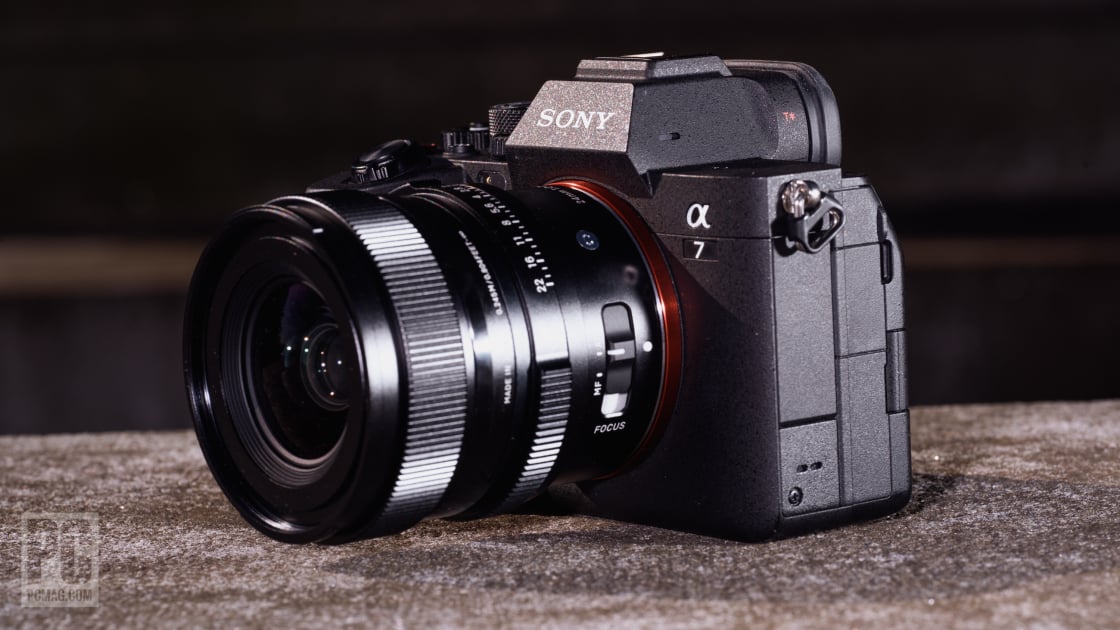
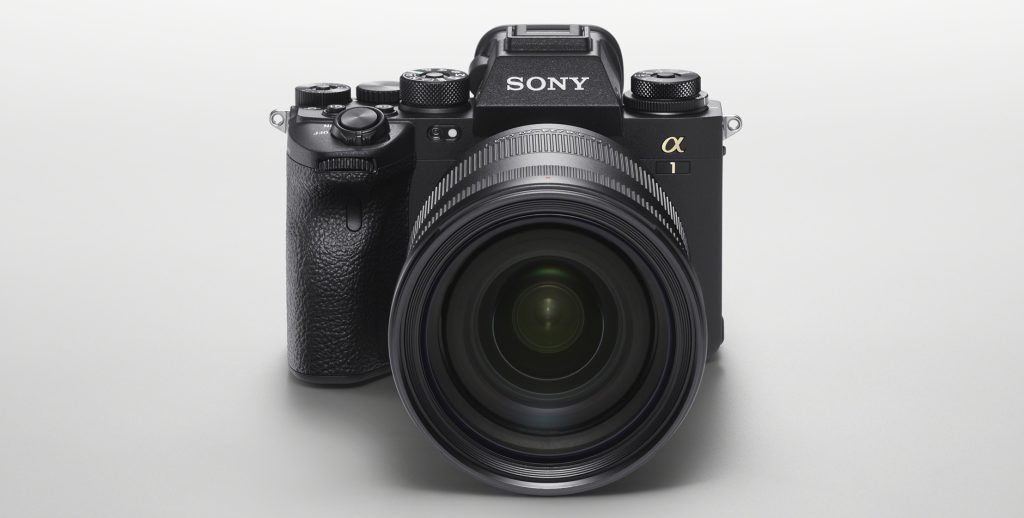
Choosing the right camera can feel confusing, especially with so many models claiming to be “the best.” But when people talk about high-end mirrorless cameras that work for both professionals and beginners, the A7V Sony almost always appears at the top of the list. This powerful camera brings together next-generation technology, user-friendly design, and unmatched image quality. Whether someone shoots weddings, landscapes, YouTube videos, travel stories, or school projects, the a7v sony makes the entire process smoother, faster, and more enjoyable.

The world of mirrorless cameras keeps growing. Every year, new models appear with more megapixels, smarter autofocus, and advanced video features. Even so, the A7V Sony stands out because it blends power and simplicity better than most cameras in its class. It’s like owning a sports car that even a beginner can drive without fear. Professionals love it for its reliability and speed, while hobbyists appreciate how easy it is to learn.

What Makes the A7V Sony Special?

The main reason the A7V Sony is so popular is its ability to give photographers and videographers a complete toolset in one body. It improves on the earlier A7 models with better autofocus, cleaner colors, stronger low-light performance, and more advanced stabilization. Even though the camera is loaded with features, it keeps a design that feels familiar and comfortable.

The A7 series has always been known for offering full-frame performance in a compact mirrorless body. The A7V Sony continues this legacy but with major upgrades that make it feel like a true all-rounder. From portraits to sports to night photography, it adapts easily.

Design and Build Quality of the A7V Sony

A camera must feel good in your hands to inspire confidence. Sony knows this well, and the A7V Sony continues the brand’s focus on solid, professional construction.

A Comfortable and Durable Body

The magnesium alloy build makes the A7V Sony strong yet surprisingly lightweight. Even with long lenses, the grip feels balanced. Many photographers compare it to holding a perfectly shaped game controller—secure and comfortable during long shoots.

Weather Sealing

For outdoor photographers, weather sealing is a game changer. Rain, snow, dust, or windy environments become less stressful because the camera’s body protects internal components. This means you can take the A7V Sony to beaches, forests, and even mountains with confidence.

Button Layout for Faster Shooting

Sony improved the button placement so users can control major settings without leaving the viewfinder. Touchscreen abilities, customizable buttons, and a simplified menu make shooting easier for beginners while offering deeper control for professionals.

Image Quality: The Heart of A7V Sony Performance

When people ask why the A7V Sony is so respected, the answer usually begins with its image quality. Every small detail, every color, and every highlight or shadow is handled beautifully.

High-Resolution Full-Frame Sensor

The full-frame sensor captures more light, which leads to clearer, sharper images. This becomes especially important during low-light shoots like concerts or sunsets.

Natural and Accurate Colors

Older Sony cameras were sometimes criticized for slightly flat colors. The A7V Sony fixes that. It delivers more natural skin tones, richer blues and greens, and better dynamic range. This helps beginners get great results straight out of the camera while giving professionals more editing room.

Dynamic Range That Stands Out

Dynamic range refers to how well a camera can capture both bright and dark parts of a scene. The A7V Sony handles extreme lighting situations confidently. For example:

  • Shooting indoors with bright windows
  • Capturing sunset scenes with deep shadows
  • Photographing sports in stadium lighting

Real-life example: A wedding photographer using the A7V Sony can shoot inside a dimly lit hall while still capturing bright outdoor scenery through windows without losing details.

Autofocus: The Smartest Feature of the A7V Sony

Sony’s autofocus system is one of the biggest reasons many videographers and photographers switch to the A7 series. The A7V Sony pushes this even further with improved AI-powered tracking.

Real-Time Eye and Face Tracking

The camera recognizes human eyes, animal eyes, and even birds. This makes it perfect for wildlife photography, pet photography, and portrait sessions.

Fast and Accurate Focus

Even when subjects move quickly—like children running, athletes playing sports, or cars speeding—the A7V Sony maintains sharp focus. This feature alone can turn a beginner’s photo into a professional-quality shot.

Autofocus for Video

Videographers love how smoothly the A7V Sony pulls focus. It avoids “hunting” and instead transitions naturally, making footage look cinematic.

Video Performance: Why Videographers Love the A7V Sony

The rise of YouTube, TikTok, and online filmmaking has made hybrid cameras more popular. The A7V Sony gives creators everything they need in one device.

High-Quality 4K Recording

The camera can record high-bitrate 4K video with excellent clarity. Details stay sharp even during movement.

Advanced Stabilization

In-body stabilization reduces shake, allowing you to record handheld footage without needing a gimbal in many situations.

Slow Motion Options

Creators can capture smooth slow-motion footage, adding drama and style to cinematic videos.

Great in Low Light

Night vloggers, travel bloggers, and documentary creators get clean footage even in dimly lit places.

LSI keywords used: sony 4k camera, video stabilization, sony hybrid video camera, sony a7v video features.

Low-Light Performance: Impressively Clean Results

Many cameras struggle when light becomes limited, but the A7V Sony performs exceptionally well. Thanks to its large full-frame sensor and improved processing engine, images remain sharp with minimal noise.

Perfect for Night Photography

Street photographers appreciate how easy it is to capture glowing signs, dark alleyways, or moonlit scenes.

Beautiful Indoor Shots

Indoor events like weddings, concerts, or birthday parties require a camera that doesn’t break down in low light. The A7V Sony works effortlessly in these situations.

Battery Life and Usage Experience

Long battery life is essential for uninterrupted shooting. The A7V Sony continues to use Sony’s Z-battery, known for its strong performance.

Lasts Through Long Shooting Sessions

You can shoot photos and videos for hours without needing to recharge. Travel photographers benefit the most because they can explore all day with fewer worries.

Efficient Power Management

Even with high-end features, the camera manages power smartly. Its standby mode conserves battery when not actively shooting.

Connectivity and Workflow

Today’s photographers need quick ways to move files between devices. The A7V Sony includes multiple connectivity options:

  • Wi-Fi sharing for quick smartphone transfers
  • Bluetooth pairing for remote control
  • USB-C for fast file transfers
  • Micro HDMI for monitoring video

This makes content creation simpler and faster.

Who Should Buy the A7V Sony?

One reason the A7V Sony is loved globally is that it suits a wide audience.

Perfect for Professionals

Wedding photographers, product photographers, filmmakers, and wildlife shooters gain reliable performance, stunning quality, and advanced features they depend on daily.

Great for Hobbyists and Students

Even beginners can use the A7V Sony without feeling overwhelmed. Its menu system and learning curve are approachable.

Ideal for Travel Content Creators

Compact size, strong stabilization, and excellent video features help travel vloggers create high-quality content anywhere.

Useful for Business Owners

Real estate photographers, food bloggers, and online shop owners benefit from its sharp images and smooth video output.

Real-Life Example: A Photographer’s Experience

Imagine a student photographer named Ali who wants to start taking professional photos while still learning. He buys the A7V Sony because it offers room for growth. At first, he shoots simple portraits and school events. Over time, as his skills improve, the same camera helps him shoot weddings, sports events, and even YouTube videos. He never feels limited, even as his work becomes more advanced.

This story shows why the A7V Sony is called a “future-proof camera.”

Pros and Cons of the A7V Sony

Pros

  • Outstanding image quality
  • Excellent autofocus with AI tracking
  • Strong low-light performance
  • Lightweight full-frame design
  • High-quality 4K video
  • Great battery life
  • Weather-sealed build

Cons

  • Higher price for beginners
  • Some menus may feel complex at first
  • Full-frame lenses can be expensive

Even with these minor drawbacks, the A7V Sony remains one of the best all-round mirrorless cameras available today.

Conclusion: Why the A7V Sony Is a Top Choice

The A7V Sony proves that a camera can be powerful, user-friendly, and reliable all at once. It offers everything a photographer or videographer needs—from excellent image quality to smart autofocus and professional video features. Whether you’re a seasoned expert or someone just starting your photography journey, this camera adapts to your style and grows with your skills.

With its advanced technology, superb handling, and unmatched versatility, the A7V Sony stands out as one of the best choices in the world of mirrorless cameras today. If you’re looking for a device that can handle any situation—portraits, landscapes, sports, travel, or filmmaking—this camera should be at the top of your list. We update our homepage regularly with new features and highlights.

FAQs

What makes the A7V Sony different from older A7 models?

The A7V Sony includes upgraded autofocus capabilities, improved low-light performance, stronger video features, and more realistic color science compared to earlier models. These improvements make it better suited for modern creators.

Is the A7V Sony good for beginners?

Yes, beginners can use it easily thanks to its intuitive controls and user-friendly menu. At the same time, it provides advanced tools for future growth, so new users won’t outgrow it quickly.

Can the A7V Sony be used for professional videography?

Absolutely. The camera’s high-quality 4K video, advanced autofocus, excellent stabilization, and strong dynamic range make it a reliable option for filmmaking, YouTube content, and commercial video work.

Showcasing the polymer80 glock 19 pf940c complete kit with detailed components and tools on a workbench.

Step-by-Step Guide to Assembling the Polymer80 Glock 19 PF940C Complete Kit

Understanding the Polymer80 Glock 19 PF940C Complete Kit

Overview of the Polymer80 Glock 19 PF940C Complete Kit

The polymer80 glock 19 pf940c complete kit is designed for firearm enthusiasts who want to craft a reliable, customizable pistol. This kit comprises everything necessary to produce an 80% frame, which allows for personal modification while adhering to regulations. With components made from high-quality materials, the PF940C caters to users seeking both functionality and personalization in their firearms.

Components Included in the Kit

The PF940C kit is meticulously curated, featuring all essential components you will need for assembly. The primary contents include:

  • Frame: An 80% polymer lower receiver, allowing users to finish and customize.
  • Jig: The frame comes with a jig for easy and accurate milling.
  • Tooling: All the tools required to complete the build, such as drill bits and a small end mill.
  • Instructions: Comprehensive step-by-step guidance for assembly.
  • Lower Parts Kit: A lower parts kit may include all necessary internal components, such as trigger assemblies and pins.

These components combine to facilitate an assembly process that is straightforward and user-friendly, making the PF940C an ideal choice for both novice and experienced builders.

Legal Considerations for Kit Assembly

When considering the assembly of your PF940C kit, understanding the legal implications is crucial. Many states allow the ownership and assembly of 80% receivers, provided that the owner complies with all local and federal regulations. It is essential to be aware of your state’s specific laws governing the manufacture and ownership of firearms, particularly new changes and potential regulations aimed at addressing untraceable firearms.

Conduct thorough research to ensure compliance and safety, as failure to adhere to legal standards can result in significant consequences.

Benefits of Using the Polymer80 Glock 19 PF940C Complete Kit

Customization Options for Enthusiasts

One of the standout advantages of the PF940C kit is its customization potential. Unlike off-the-shelf firearms, this kit allows users to modify almost every aspect of their build:

  • Grip Angle: The ergonomic design can be tailored to better fit personal hand sizes and shooting preferences.
  • Texture: Options to stipple or add grips for improved handling.
  • Finish: Customizing the firearm finish can enhance aesthetic appeal and resistance to wear.
  • Aftermarket Parts: Compatibility with numerous aftermarket components, including upgraded triggers, sights, and barrels, gives owners the flexibility to enhance performance and personal style.

Performance Enhancements Over Stock Firearms

Building a PF940C can lead to performance enhancements that often exceed those found in standard, factory models. Custom components may provide improved accuracy, reliability, and trigger pull. Some users report significant enhancements in their shooting performance after personalizing their builds.

The kit’s design, tailored for a stable grip and user-friendly operation, can also contribute to better overall control and precision during shooting.

Cost-Effectiveness of Building Your Own Firearm

While the idea of building your own firearm might seem daunting, it can be financially advantageous. The PF940C allows users to acquire high-quality components often at a fraction of the cost of a complete commercial firearm. By selecting components based precisely on individual needs and desires, users can also avoid paying for features they may not want or need.

Although initial investments may arise during the assembly, many find that the long-term cost savings, combined with the satisfaction of the build, make it worthwhile.

Step-by-Step Assembly Guide

Essential Tools for Assembly

Before embarking on the assembly process, a clear understanding of the tools required is vital:

  • Drill Press: For completing the frame smoothly and accurately.
  • Router: Optional for modifying the frame, if desired.
  • Calipers: For precise measurements and adjustments.
  • Wrenches and Screwdrivers: Necessary for securing components.

Having these tools ready will streamline the assembly process and reduce potential frustration.

Assembly Process Explained

The assembly process involves several key steps:

  1. Set Up Drill Press: Ensure the drill press is level and aligned accurately.
  2. Prepare the Frame and Jig: Secure the frame in the jig, ensuring it remains stationary while drilling.
  3. Drill the Necessary Holes: Follow the instructions carefully for the precise locations and depths of the drills.
  4. Install the Lower Parts: Begin the assembly by adding the lower parts before mating it with the upper parts.
  5. Finishing Touches: Once assembled, ensure all screws are tightened and the firearm functions smoothly.

Following these steps will lead to a successful assembly, ensuring that safety and functionality remain a priority.

Common Mistakes to Avoid

While assembling your PF940C, several common pitfalls can impede progress:

  • Incorrect Measurements: Always double-check measurements to avoid misalignment.
  • Skipping Steps: Each step is critical for proper assembly; do not skip instructions.
  • Forgetting to Test Functionality: After assembly, performing necessary function tests helps identify issues early.

Avoiding these mistakes will help ensure a smooth assembly process and a well-functioning final product.

After Assembly: Testing and Modifying Your Build

Safety Protocols After Assembly

Before using the PF940C, ensure that safety measures are in place. Always treat the firearm as if it is loaded, and follow standard firearms safety practices in a controlled environment. Conduct a thorough safety check, ensuring there are no obstructions and that all components are secured properly.

Common Modifications for Improved Performance

Once you have successfully assembled the PF940C, consider modifications that can enhance performance:

  • Trigger Upgrade: Many find that upgrading the trigger improves overall responsiveness.
  • Sights Replacement: Enhanced sight systems can facilitate better targeting.
  • Stippling the Grip: Custom grip texture helps increase control during use.

These modifications can lead to a significantly enhanced shooting experience.

Testing Your New Glock 19 PF940C Build

Once modifications are complete, it is crucial to conduct range testing to evaluate performance. Pay close attention to how the firearm operates under different conditions. Documenting the experience can help identify areas for further improvement and tuning of the build.

Frequently Asked Questions

What makes the Polymer80 Glock 19 PF940C different from the OEM version?

The Polymer80 PF940C offers greater customization options and a user-friendly assembly process compared to standard OEM models. The ergonomics are designed for improved grip and handling, offering a unique shooting experience.

Can I customize my Polymer80 build with aftermarket parts?

Yes, the PF940C is compatible with various aftermarket parts, allowing for significant customization to enhance performance and fit individual preferences.

Are Polymer80 kits legal in my state?

Legal status varies by state. Most states permit ownership and assembly of 80% frames, but regulations can change and differ widely, so check local laws for the latest guidelines.

How hard is it to assemble the PF940C kit?

The assembly process is designed to be approachable, even for novices. Comprehensive instructions and necessary tools aid in creating a straightforward experience for builders of various skill levels.

Which tools should I use for the assembly process?

Essential tools include a drill press, calipers, screwdrivers, and wrenches. Each tool plays a critical role in ensuring a successful assembly, impacting precision and functionality.