Master the Art of Image to Prompt Generation: Expert Techniques for 2026
Understanding Image to Prompt Generation
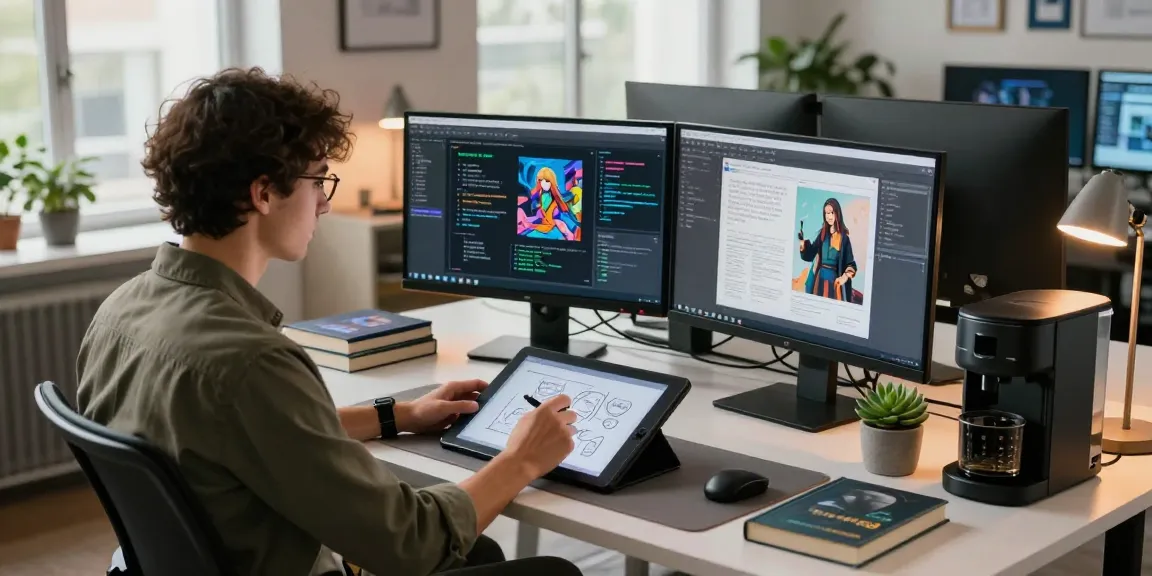
In the era of artificial intelligence and machine learning, visual content has evolved significantly, transforming how creators conceive and generate images. One of the most exciting advancements in this field is the image to prompt generator. This innovative tool facilitates the conversion of images into detailed text prompts, enabling users to create highly accurate and imaginative visual interpretations. From artists and designers to marketers and educators, the applications of this technology are vast and transformative, reshaping creative workflows across industries.
What is an Image to Prompt Generator?
An image to prompt generator is an AI-driven tool designed to analyze visual content and produce descriptive text prompts that reflect the essence of the uploaded image. These prompts can then be utilized in various artificial intelligence systems, especially in generating new images using platforms like Midjourney, Stable Diffusion, and Gemini. The principal objective is to empower users to communicate their creative visions effectively and with precision through language that encapsulates the nuances of photography, illustration, and digital imagery.
How Does Image to Prompt Technology Work?
At its core, an image to prompt generator employs advanced computer vision and natural language processing (NLP) technologies. Here’s a simplified explanation of the workflow:
- Image Upload: Users upload an image in formats like PNG, JPG, or WEBP, usually with a size limit of 10MB.
- Feature Extraction: The AI analyzes the uploaded image, identifying key elements such as subjects, environments, colors, and actions.
- Prompt Creation: Based on the analysis, the tool generates a structured prompt that encapsulates the image’s details, style, and emotional tone.
- Output Delivery: The generated prompt is presented to the user, who can then refine it further if necessary.
Benefits of Using Image to Prompt Tools
The integration of image to prompt generators into creative workflows offers several impactful benefits:
- Enhanced Creativity: By translating visual content into descriptive language, artists can explore new creative directions and enhance their work.
- Increased Efficiency: Automating the prompt generation process saves time, allowing creators to focus more on the ideation and execution phases.
- Improved Clarity: Clear and detailed prompts enable AI image generation tools to produce high-quality outputs that align more closely with user intentions.
- Accessibility: Individuals without strong writing skills can leverage the generator to articulate their creative concepts effectively.
How to Use an Image to Prompt Generator Effectively
Harnessing the full potential of an image to prompt generator involves understanding its operational nuances and best practices. Here’s a step-by-step guide to generating effective prompts:
Step-by-Step Guide to Generating Prompts
- Upload Your Image: Begin by dragging and dropping your chosen image into the designated area of the generator tool.
- Initiate Prompt Generation: Click the “Generate Prompt” button and allow the tool to analyze the image.
- Review the Output: Examine the generated prompt, ensuring it accurately reflects the visual elements you wish to convey.
- Refine as Needed: If the initial prompt doesn’t fully align with your vision, make adjustments or regenerate until satisfied.
- Save or Utilize Prompt: Once the final prompt meets your requirements, save it for later use or immediately apply it in your AI image generator.
Best Practices for Uploading Images
To maximize prompt accuracy and quality, consider these best practices when uploading images:
- Choose Clear, High-Quality Images: Ensure your image is well-lit and focused, as clarity significantly affects the detail level in the generated prompt.
- Avoid Clutter: Images with too many distracting elements may lead to ambiguous prompts. Simple, focused compositions yield better results.
- Use Relevant Visuals: Select images that closely represent the ideas you want the AI to capture; this enhances the overall effectiveness of the generated prompt.
Choosing the Right AI Model for Your Needs
Different AI models cater to varying creative needs and aesthetics; hence, selecting the appropriate model is crucial for achieving desired outcomes. For example:
- Midjourney: Ideal for artistic, surreal interpretations.
- Stable Diffusion: Suited for realistic and detailed imagery.
- Gemini: Focuses on hybrid styles, combining aspects of both artistic and realistic outputs.
- Flux: Excellent for dynamic and motion-based visuals.
Common Challenges and Solutions in Prompt Generation
While using image to prompt tools can streamline creative processes, some challenges may arise. Here are common issues along with solutions:
Addressing Quality Issues in Generated Prompts
Occasionally, prompts may lack the desired detail or clarity. If this happens, consider the following:
- Refine Your Image Choice: If the prompt is too vague, try using a more descriptive image with distinct subjects.
- Manual Modifications: Don’t hesitate to manually refine the generated text to better capture your intent.
Dealing with Compatibility Across Different AI Models
Not all AI models interpret prompts in the same way. To address potential compatibility issues:
- Understand Each Model’s Strengths: Familiarize yourself with the nuances of the different AI platforms to anticipate potential discrepancies in output.
- Tailor Prompts Accordingly: Adjust the wording or focus of your prompts based on the specific capabilities of the intended AI model.
Overcoming User Errors During the Upload Process
Common oversights during image uploads can hinder the prompt generation process:
- File Format Awareness: Ensure the image is in the supported format (PNG, JPG, or WEBP) and within the size limits.
- Check Image Clarity: Before uploading, preview the image to guarantee it’s not pixelated or obscured.
Real-World Applications of Image to Prompt Generation
The utility of image to prompt generators spans numerous sectors. Below are notable applications:
Creative Industries Leveraging Prompt Generation
Artists, designers, and marketers are increasingly utilizing image to prompt generators for the following reasons:
- Visual Storytelling: By generating prompts, creatives can draft narratives that guide their artwork or marketing materials.
- Collaborative Projects: Teams can share visual ideas using prompts that communicate their collective vision effectively.
Educational Uses for Image to Prompt Tools
In education, these tools serve various functions:
- Assisting Students: Students can use image prompts to inspire writing assignments, foster creativity, and enhance descriptive skills.
- Facilitating Discussions: Educators can stimulate class discussions by using generated prompts based on historical images or artwork.
Case Studies: Successful Implementations and Outcomes
Several organizations have effectively integrated image to prompt technology into their workflows, yielding impressive outcomes:
- A Design Firm: A firm incorporated the tool into their brainstorming sessions, greatly increasing creative output and expediting project timelines.
- An Educational Institution: Schools adopted the technology to enhance student engagement and participation in creative writing programs, leading to a marked improvement in students’ performance.
The Future of Image to Prompt Technology in 2026
As 2026 approaches, the image to prompt technology landscape is set to evolve further. Here’s what to expect:
Emerging Trends in AI and Image Processing
The integration of AI in image processing is anticipated to deepen, with innovative algorithms improving prompt accuracy and relevance:
- Intuitive Learning: Future models will likely be equipped with advanced learning capabilities, adapting to user preferences over time.
- Augmented Reality Integration: The combination of AR and AI can redefine how users interact with images and prompts, creating immersive experiences.
Potential Innovations in Image to Prompt Tools
Innovations on the horizon may include:
- Enhanced Multi-Language Support: Future tools could offer multi-language prompts, catering to a broader audience globally.
- Customizable Prompt Formats: Users might gain the ability to customize the style and tone of the generated prompts based on specific needs.
Predictions for User Adoption and Market Growth
As more creators recognize the benefits of using image to prompt generators, significant growth in user adoption is anticipated:
- Increased Accessibility: As tools become more user-friendly, a wider demographic of users will engage with the technology.
- Market Expansion: New market segments, such as bloggers and virtual influencers, are expected to leverage prompt generation to enhance their online presence.
FAQs
Is Image to Prompt free to use online?
Many image to prompt tools offer free versions with basic functionalities. However, advanced features may require a subscription or one-time payment.
Can Image to Prompt be integrated with Nano Banana Pro?
Yes, the image to prompt generator can typically be integrated with various AI tools, including Nano Banana Pro, enabling users to create detailed prompts for advanced image generation.
What types of prompts can Image to Prompt generate?
Image to prompt generators can produce a wide array of prompts, including natural language descriptions, structured formats tailored for specific AI models, and creative narratives suitable for artistic applications.
How does Image to Prompt improve AI image results?
By generating precise and detailed prompts that reflect the nuances of the original images, these tools significantly enhance the quality and relevance of AI-generated images.
Are there any limitations to using Image to Prompt tools?
Limitations may include dependency on the quality of the input image, potential discrepancies across AI models, and the need for user refinement to achieve optimal results.