Mixboard: The Innovative Solution for Creative Teams in 2026
Understanding the Power of the Mixboard
In today’s fast-paced creative landscape, teams are constantly seeking innovative tools that enhance collaboration and streamline workflows. The mixboard represents a powerful solution for creative professionals, allowing them to visualize and refine ideas in a digital canvas environment. This article explores the various dimensions of mixboards, their benefits, and how they can be leveraged effectively across different creative disciplines. For those looking to explore options, mixboard provides comprehensive insights into optimizing creative processes.
What Is a Mixboard?
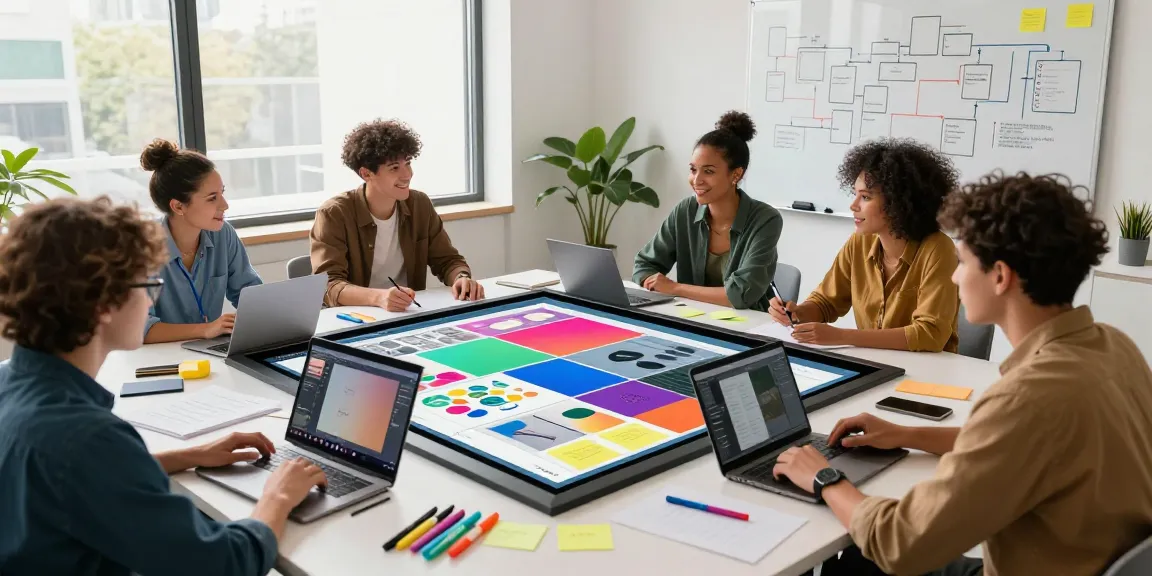
A mixboard, at its core, is a digital concepting board that enables users to gather, organize, and manipulate ideas visually. It combines features of brainstorming tools and moodboards, allowing teams to map out thoughts spatially, create connections, and generate visuals from text prompts. The flexibility of a mixboard permits an evolving idea structure rather than a static representation, fostering creativity and collaboration no matter the team’s location.
Benefits of Using a Mixboard in Creative Projects
- Enhanced Collaboration: A mixboard allows team members to contribute in real-time regardless of geographic boundaries, making it ideal for remote work environments.
- Visual Thinking: It supports visual learning and helps teams unlock creativity by presenting ideas as visual representations rather than just text.
- Streamlined Workflow: By organizing ideas in one place and allowing for easy iteration, teams can move from concept to execution more efficiently.
- Accessibility: Mixboards are accessible on various devices, ensuring that all members can participate and engage with the project from anywhere.
How Mixboard Compares to Traditional Tools
When comparing mixboards to traditional brainstorming or project management tools, several distinct advantages emerge. Traditional tools often segment tasks and ideas into rigid formats, limiting creativity. In contrast, mixboards provide a fluid canvas that allows for the constant evolution of concepts. Furthermore, traditional platforms may not support real-time collaboration effectively, whereas mixboards are designed to facilitate seamless teamwork, minimizing friction and maximizing productivity.
Setting Up Your Mixboard for Success
Setting up a mixboard that aligns with your team’s specific needs is crucial for optimizing its potential. The following considerations can help enhance its effectiveness within your creative workflow.
Choosing the Right Templates for Your Needs
Most mixboard applications offer a variety of templates tailored to different creative processes, including marketing campaigns, design projects, and educational workflows. Selecting templates that resonate with the type of project at hand can significantly simplify the initial setup and help guide the brainstorming process. For instance, a marketing template may include sections for target audience analysis, messaging, and visual assets, whereas a design template might focus on color palettes and layout concepts.
Customizing Your Mixboard Layout
Once you’ve chosen a template, customizing the layout is vital. This can involve adjusting sections to better reflect your team’s workflow, adding or removing elements based on team input, and even integrating brand assets. A well-organized mixboard layout not only aids in clarity but can also enhance the user experience, making it more intuitive for all team members involved.
Integrating Multiple Team Members into Your Mixboard
Collaboration is at the heart of what makes a mixboard effective. Inviting team members to participate in the mixboard allows for diverse perspectives and ideas to come together. Set clear roles and expectations for each member, ensuring everyone knows their contributions are valued and necessary. Utilizing features such as commenting and tagging within the mixboard can also facilitate discussion and feedback, further enhancing the collaborative process.
Best Practices for Collaboration on a Mixboard
To truly harness the power of a mixboard, especially in collaborative settings, adopting effective strategies is essential. Here are several best practices to consider:
Effective Communication Strategies in Digital Spaces
Establishing a common language and set of protocols can streamline communication among team members. Regular check-ins or scheduled sessions dedicated to reviewing progress can ensure that everyone is aligned and any issues are addressed promptly. Emphasizing the importance of constructive feedback can foster a supportive environment that encourages all team members to share ideas.
Encouraging Creative Input from All Team Members
To maximize the creative potential of a team, it’s crucial to create an environment where all voices are heard. This might involve implementing brainstorming techniques such as round-robin sharing or anonymous input methods to ensure everyone feels comfortable contributing. Recognizing diverse perspectives and appreciating different creative styles can lead to more innovative outcomes.
Using Visuals and Annotations Effectively
Visual aids such as images, sketches, and diagrams can significantly enhance the brainstorming process. These elements support cognitive retention and understanding. Encourage team members to annotate their ideas and provide visual context, ensuring that concepts are effectively communicated and easily interpreted by others.
Real-World Applications of Mixboards
Mixboards are not merely theoretical tools; they have practical applications across various industries. Understanding their effectiveness in real-world scenarios can illustrate their value.
Case Studies: Successful Creative Projects Using Mixboards
Many organizations have successfully integrated mixboards into their project workflows. For example, a marketing agency utilized a mixboard to plan a multi-channel campaign, enabling team members to share assets, brainstorm ideas, and align messaging in real-time, ultimately resulting in a campaign that exceeded expectations. Another instance involved a design team that employed a mixboard to pivot quickly after client feedback, allowing them to present new visual directions efficiently.
Industry-Specific Mixboard Applications
Different industries can benefit from mixboards in unique ways:
- Design: Used for moodboarding, creating visual themes, and collaborating on layouts.
- Marketing: Essential for campaign brainstorming, aligning messaging, and organizing promotional materials.
- Education: Facilitates collaborative research projects and group assignments, allowing students to visualize concepts.
- Startups: Enables rapid ideation and product concept development, helping teams align on goals and direction.
Insights from Creative Leaders Using Mixboards
Many creative leaders advocate for the use of mixboards due to their flexibility and collaborative potential. Insights reveal that leaders appreciate the ability to see all ideas in one space, leading to more informed decision-making. Additionally, the visual nature of the mixboard encourages engagement and sparks creativity, often leading to unexpected and innovative outcomes.
Future Trends for Mixboards in 2026
As technology continues to evolve, so too will mixboards. Here are some anticipated trends that could shape the future of these creative tools.
Innovative Features to Expect in Mixboard Technology
Future iterations of mixboards are likely to incorporate advanced AI functionalities, such as automated suggestion tools that offer visual elements based on user inputs. Additionally, integrations with other software platforms will further streamline workflows, allowing users to import data seamlessly from tools they already use.
Predicted Changes in Creative Collaboration Practices
As remote and hybrid work models become the norm, the collaborative practices around mixboards will likely shift. Teams may adopt more asynchronous collaboration methods, utilizing the mixboard as a central hub for idea sharing and feedback. This could include enhanced commenting features, allowing teams to engage with ideas without needing to be in the same digital space simultaneously.
Preparing Your Team for the Future of Mixboard Utilization
To remain competitive, teams should embrace these evolving tools and adapt their workflows accordingly. Training sessions on maximizing the use of mixboards, along with fostering a culture of continuous learning, will prepare teams to leverage future developments effectively.
What are the key benefits of using a mixboard?
The mixboard offers numerous benefits: enhanced collaboration through real-time input, visual thinking that aids creativity, streamlined workflows for efficiency, and accessibility across devices to ensure team participation from anywhere.
How can teams enhance collaboration with a mixboard?
Teams can enhance collaboration by establishing clear communication protocols, encouraging input from all members, utilizing effective visual strategies, and scheduling regular check-ins to align on ideas and gather feedback.
What industries are adopting mixboards for creative processes?
Industries such as design, marketing, education, and startups are increasingly adopting mixboards to facilitate creative processes, benefiting from their collaborative and visual capabilities.
How does a mixboard improve project outcomes?
A mixboard improves project outcomes by providing a structured yet flexible environment where ideas can evolve. This leads to more creative solutions, effective communication among team members, and ultimately better alignment on project goals.
What future developments can we expect in mixboard technology?
Future developments in mixboard technology may include enhanced AI capabilities, better integrations with other tools, and features that facilitate asynchronous collaboration, adapting to the evolving needs of remote work environments.